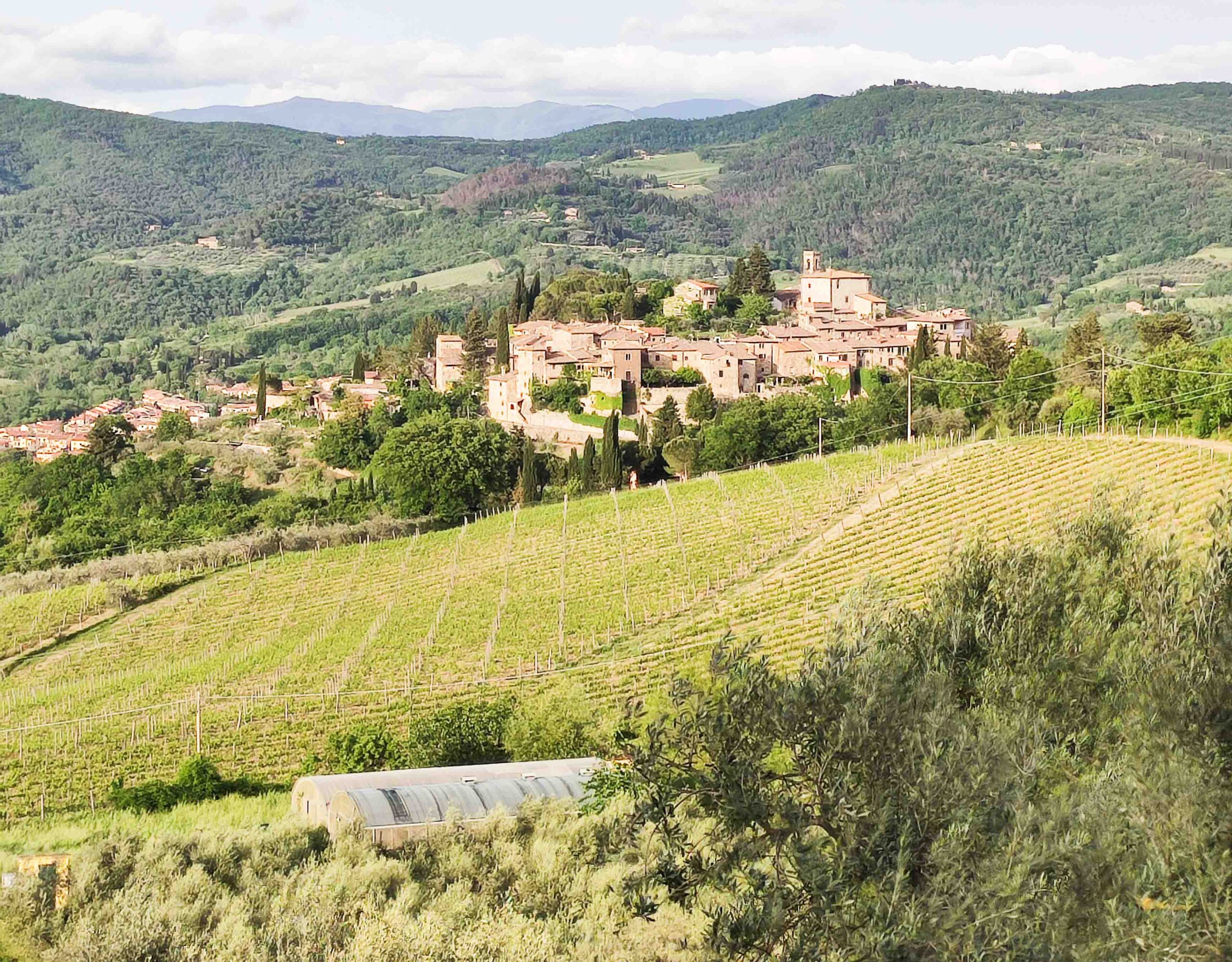
Slow Travel in Tuscany — Why the Best Photographs Come From Staying Still
Slow Travel in Tuscany — Why the Best Photographs
Come From Staying Still
The Field I Kept Returning To
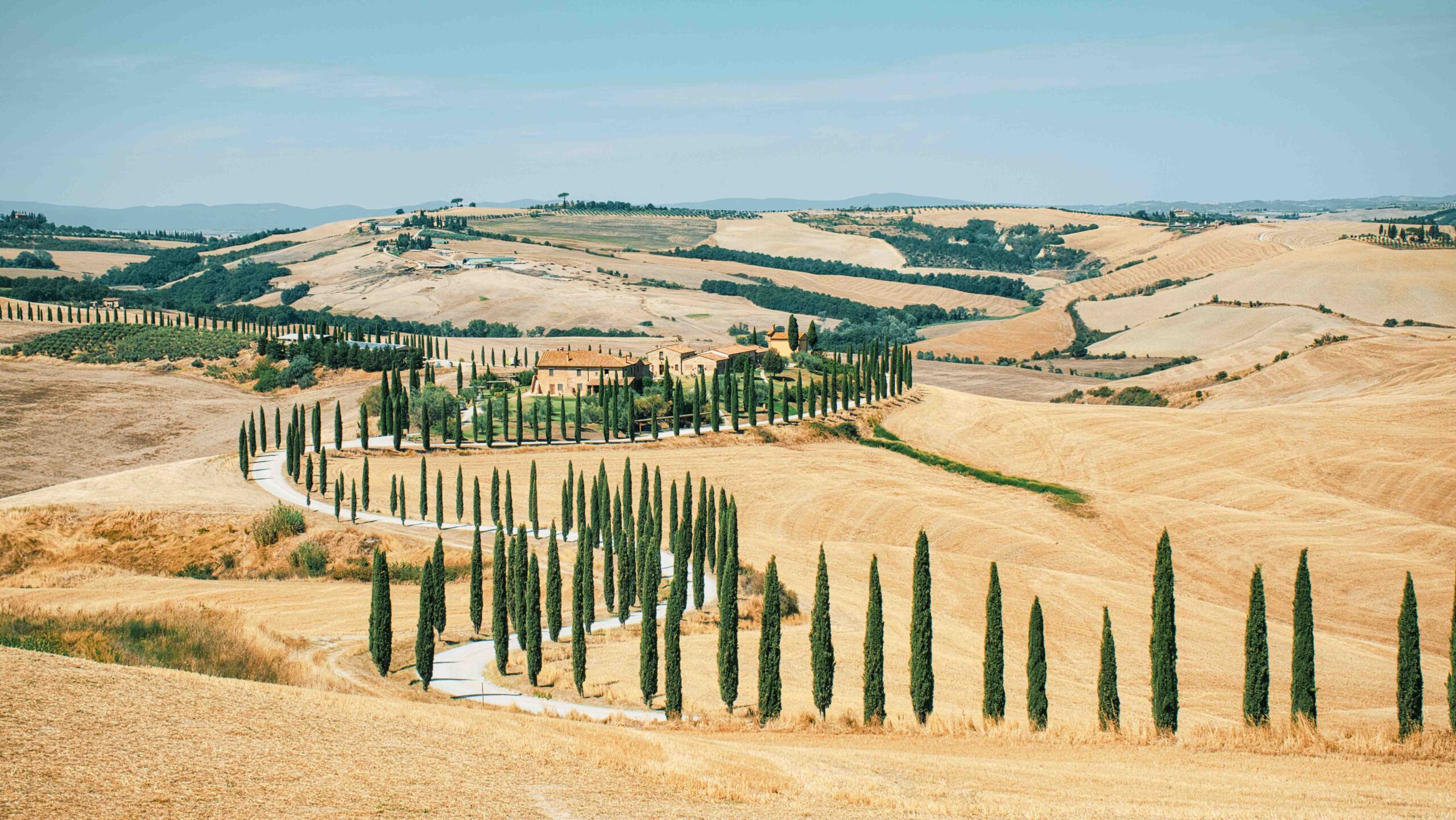
There is a specific curve of road above Pienza, just past a farmhouse with two broken shutters, where the hills of Val d’Orcia fold into each other in a way that photographs like nowhere else in Tuscany. I know this because I have stood in that exact spot on eleven different mornings across three separate visits, over four years, waiting for the same fog that does not always come.
Most people who visit Val d’Orcia, a UNESCO World Heritage landscape, see it once, from a car window, on the way to somewhere else. They stop for fifteen minutes, take the photograph everyone takes, and continue toward Montepulciano or Pienza’s town centre for lunch. I understand the instinct. Italy has an almost unmanageable quantity of places worth stopping for, and the temptation to collect as many as possible in a limited number of days is real. I felt it myself, early on, before I understood what staying still actually gives you that moving never will.
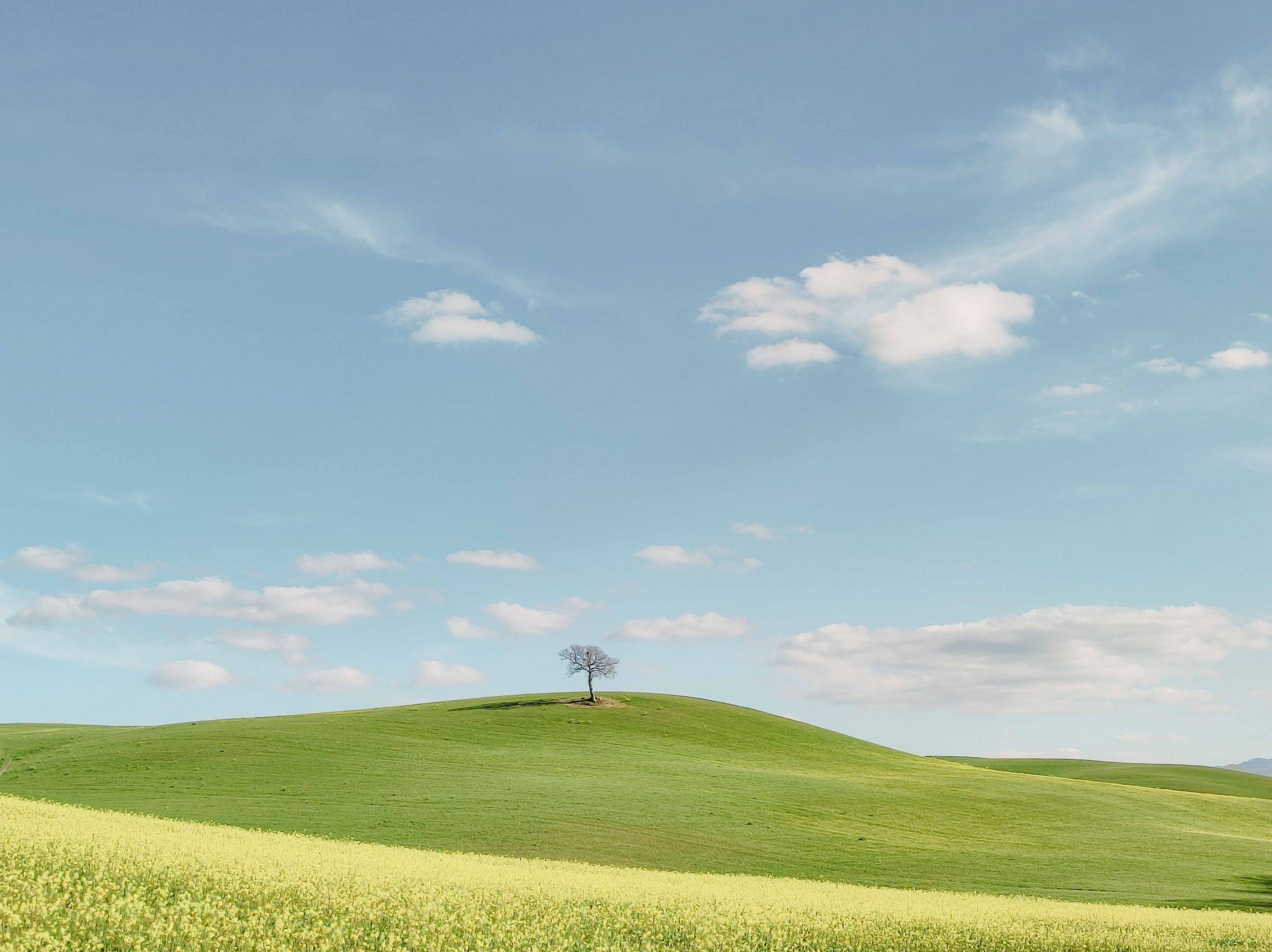 Val d’Orcia, morning four of five — the fog that only came once
What Staying Still Actually Teaches You
Slow travel has become a phrase people use to describe a preference — fewer stops, longer stays, less rushing. For a photographer, it is not a preference. It is closer to a technical requirement. The fog over Val d’Orcia does not appear on a schedule. It depends on humidity, on the temperature drop overnight, on wind direction, on a dozen variables that no forecast fully captures. The only way to photograph it is to be present enough mornings that eventually the conditions align — and to have spent enough of those failed mornings simply watching the light to recognise, on the morning it works, exactly where to stand.
This is true of almost everywhere worth photographing in Italy, not only Val d’Orcia — it is the same logic behind every location I keep returning to across Tuscany. The medieval alleys of San Gimignano look identical to every tourist photograph at midday and become something else entirely in the ninety minutes after dawn, before the coach groups arrive, when the stone is still cool and a baker two doors down is the only other person awake. You cannot know which ninety minutes those are, or how the light moves across that particular street, without having stood there before.
I think this is what the current wave of interest in slow travel is really circling around, even for people who never pick up a camera. It is not primarily about pace for its own sake. It is about the fact that a place only shows you its second layer once it has stopped performing for you as a tourist — once the initial spectacle has worn thin enough that you start noticing the actual rhythm underneath it. Photography just makes this fact impossible to ignore, because the camera records exactly how much attention you paid, whether you meant it to or not.
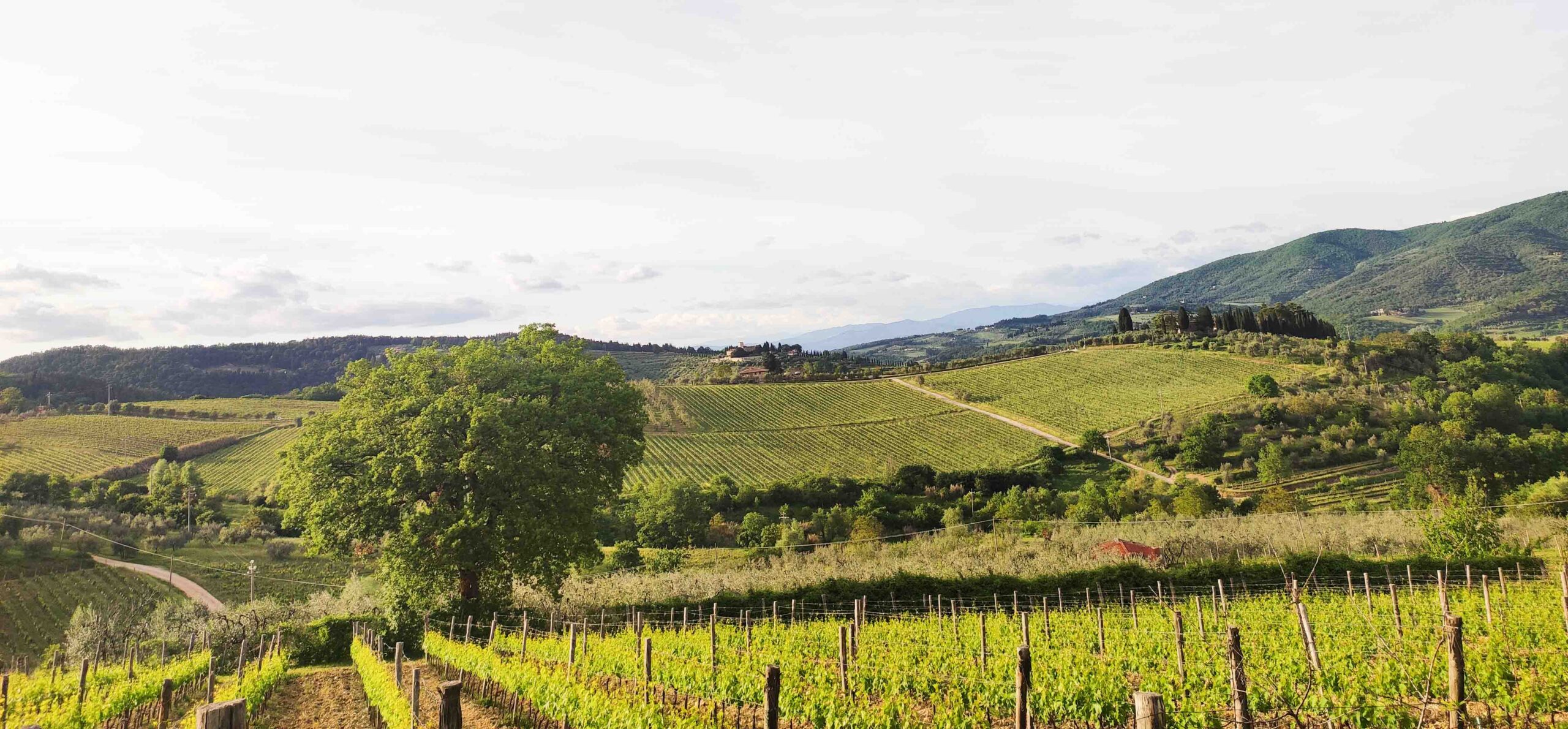 San Gimignano, the ninety minutes after dawn that never make it into the guidebooks
Three Days in One Place, Not One Day in Three Places
When I lead a photography workshop through Tuscany, this is the single hardest habit to teach, because it runs against every instinct a first-time visitor to Italy has. There is a real, understandable fear of missing something — of driving past a hill town you will never see again in order to sit still in front of a field for a third consecutive morning. I ask people to trust that the field will give them more than the hill town would have, and most of them do not believe me until the third morning actually happens.
What changes, almost always, is not the technical quality of the images. It is their specificity. A photograph made on your first morning anywhere tends to look like every other photograph of that place, because you are still seeing what you expected to see. A photograph made on your fourth morning looks like something only you could have made, because by then you have stopped photographing the idea of Val d’Orcia and started photographing the particular field, the particular fog, the particular hour, that actually happened in front of you.
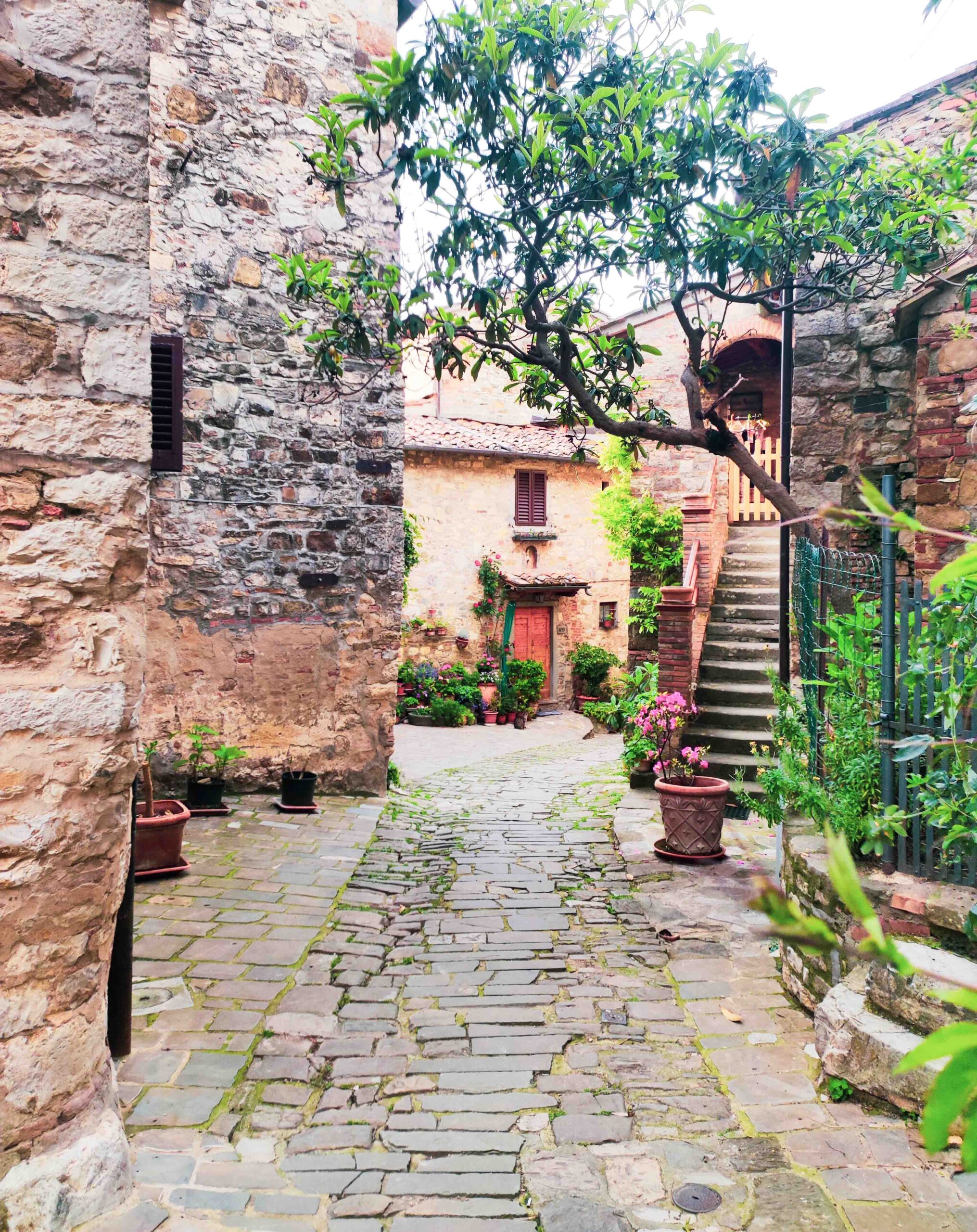 Saturnia, an hour most visitors skip entirely because it comes before breakfast
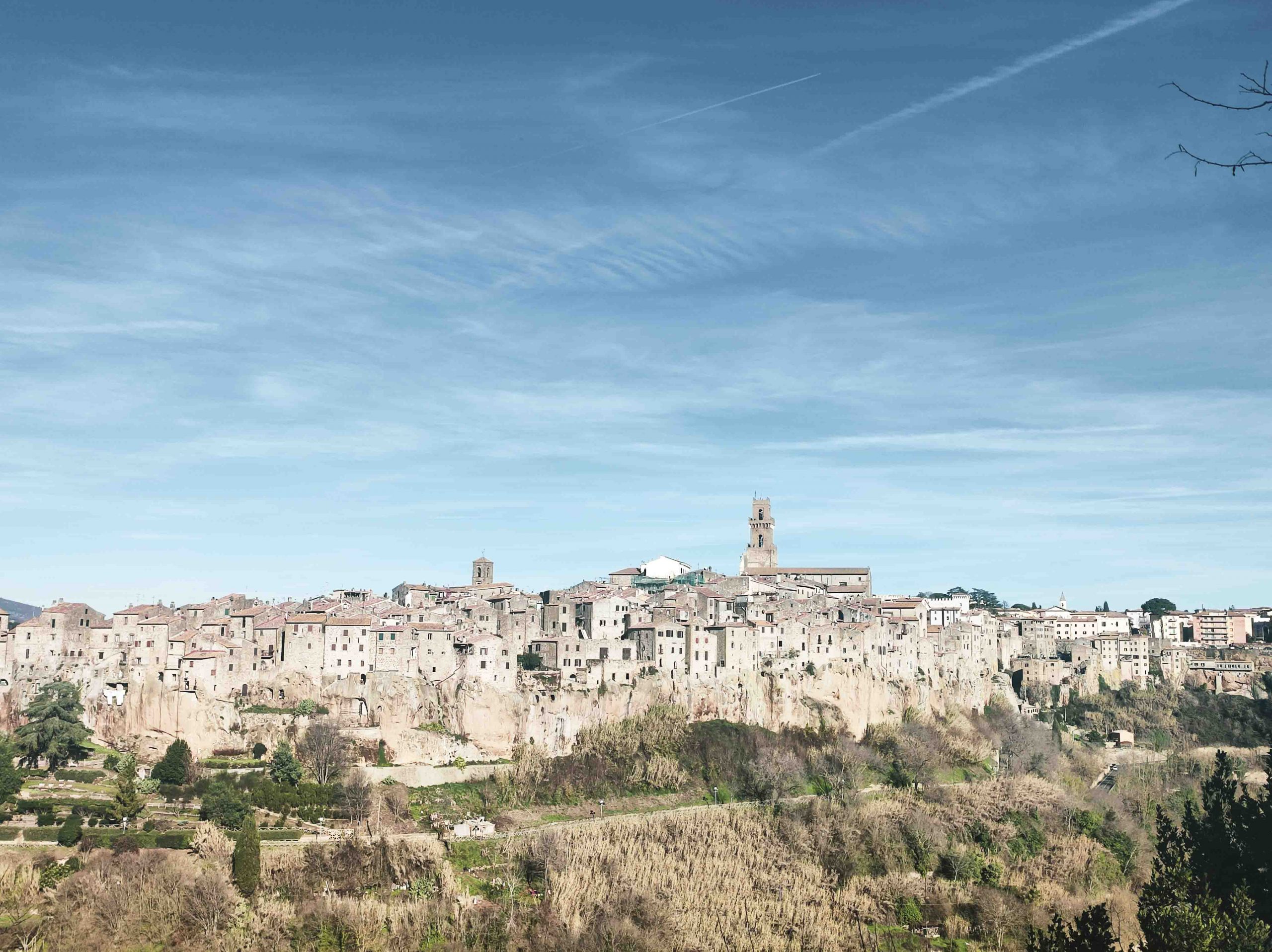 Tuscany in winter, the season that empties the roads and rewards the patient
I still do not know, most mornings, whether the fog will arrive. That uncertainty used to frustrate me. Now it is close to the entire point — the not-knowing is what keeps me returning to the same curve of road above Pienza instead of driving on toward the next thing on the list. Slow travel, at least the version of it I have practised for fifteen years, is really just a willingness to be wrong about a place for three days in a row, on the chance that the fourth morning tells you something true.
Some places only tell you the truth after you have already been wrong about them a few times — Val d’Orcia included.
Tuscany Photography Workshop




One Comment