Photograph Chianti
Photograph Chianti
Chianti is located in the heart of Tuscany, between Florence and Siena — a picturesque region of rolling hills, vineyards, olive groves and charming medieval villages. It is a step off the tourist trail in a way that Val d’Orcia no longer is. The lesser-known roads of Chianti offer unique photography opportunities and a chance to capture the essence of authentic Tuscany beyond the most photographed viewpoints.
It is one of my favorite places to photograph in the region — not for dramatic landscapes, but for the everyday beauty that reveals itself when you slow down and look.
Introduction to the Chianti Area
The Chianti area spans between Florence and Siena and is divided into several sub-zones. Chianti Classico — the most famous, identified by the Gallo Nero (Black Rooster) symbol — covers the historic heart between Greve, Radda and Castellina. The photography opportunities here range from wide panoramic vineyard shots to intimate village textures, castle architecture and wine cellar details.
- Castellina in Chianti — medieval hill town
- Panzano in Chianti — beautiful position overlooking vineyards
- Radda in Chianti — authentic village, less crowded
- Greve in Chianti — central hub, market square
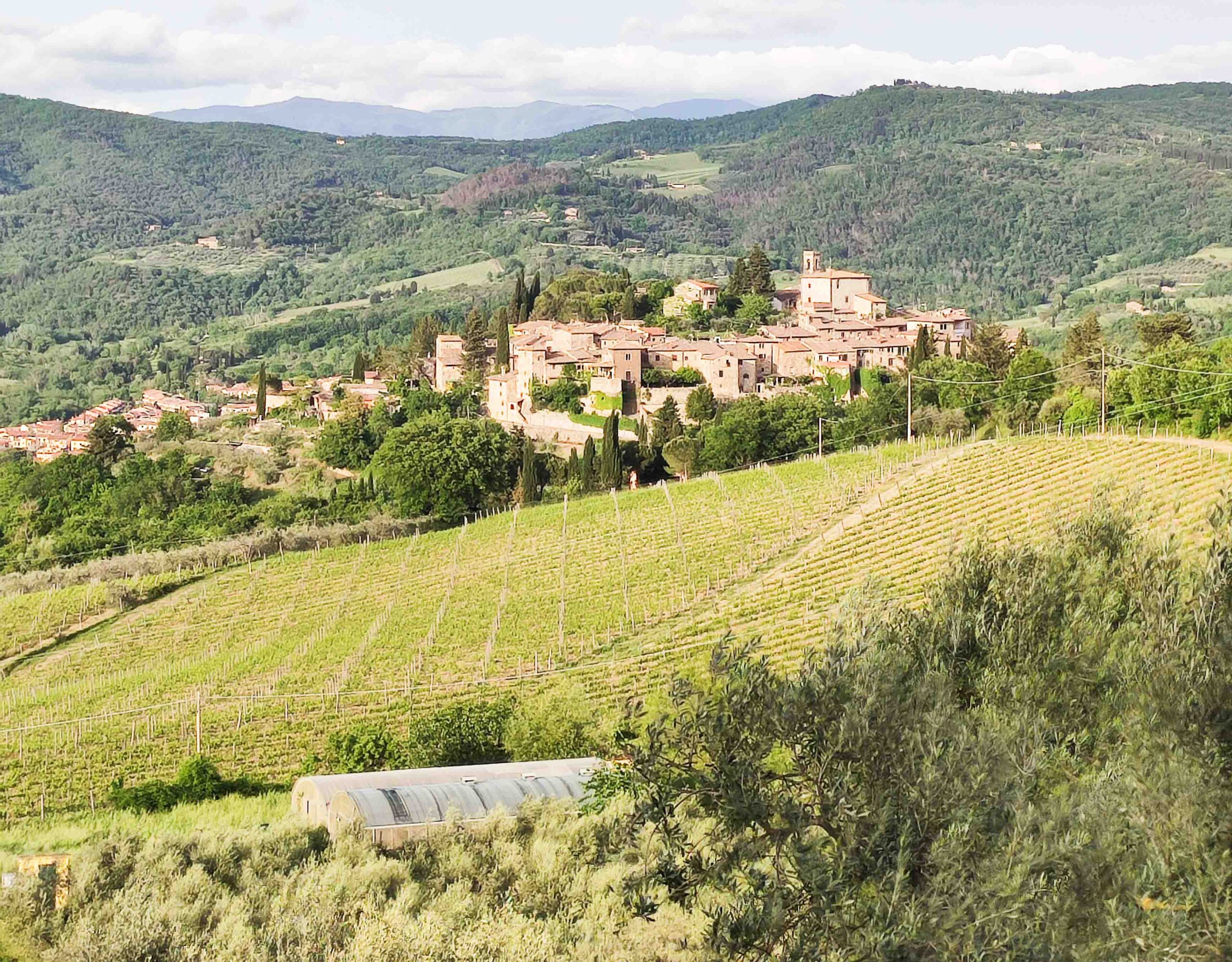
- Volpaia — one of the most photogenic small villages in Tuscany
What to Photograph in Chianti
Vineyards and Rolling Hills
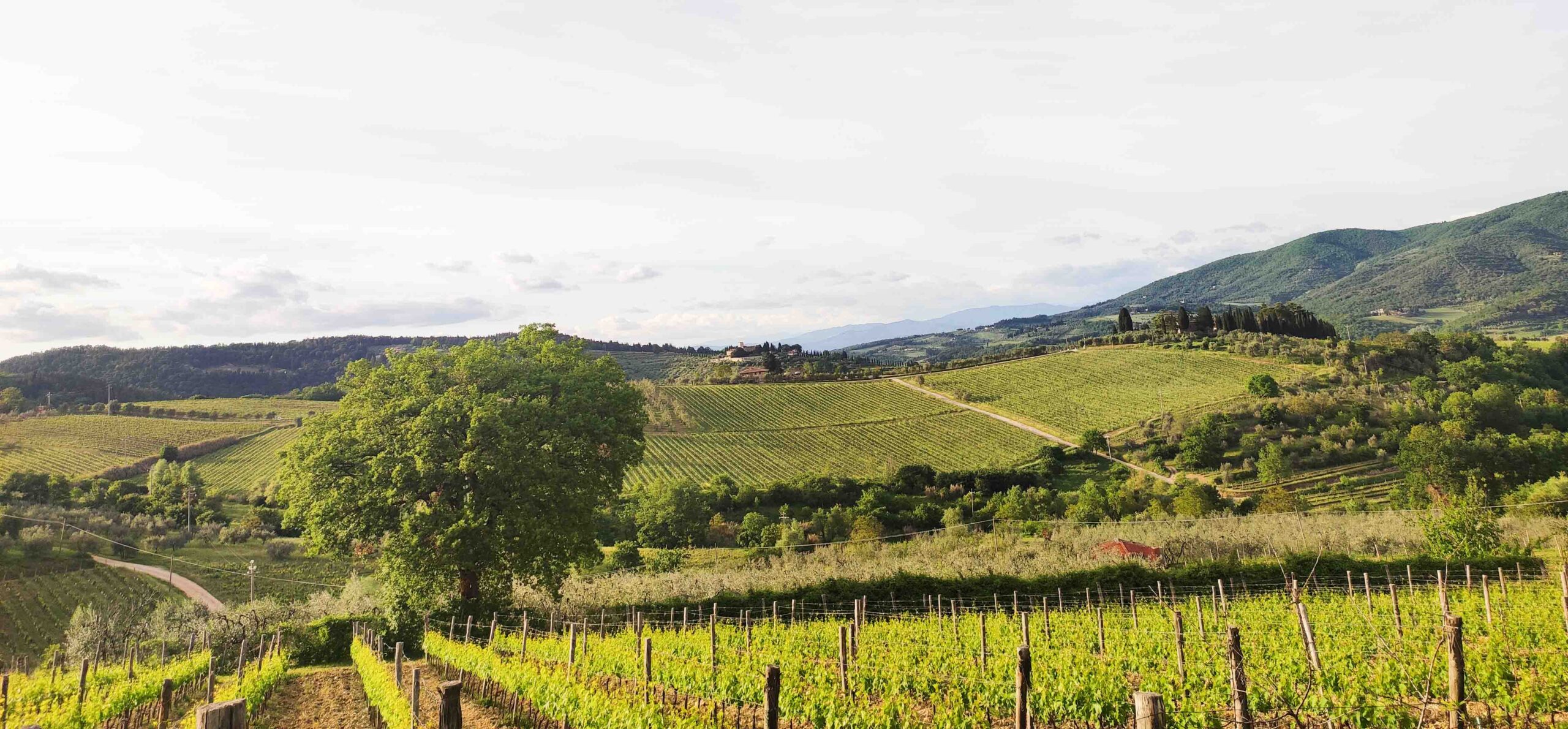
Chianti is renowned for vine-covered hills creating a stunning patchwork of green and golden landscapes. The orderly rows of grapevines, curving hillsides and cypress trees provide endless opportunities for both panoramic compositions and intimate close-ups. The best light hits the vineyard rows in the hour after sunrise and the hour before sunset, when shadows create depth between the vines.
Medieval Villages
Greve in Chianti, Castellina, Radda and Panzano offer captivating architectural elements — narrow streets, rustic facades, stone archways and the particular quality of Tuscan light on terracotta. These villages are excellent subjects for travel photography and cultural storytelling, especially in early morning before any tourists arrive.
Castles and Historic Architecture
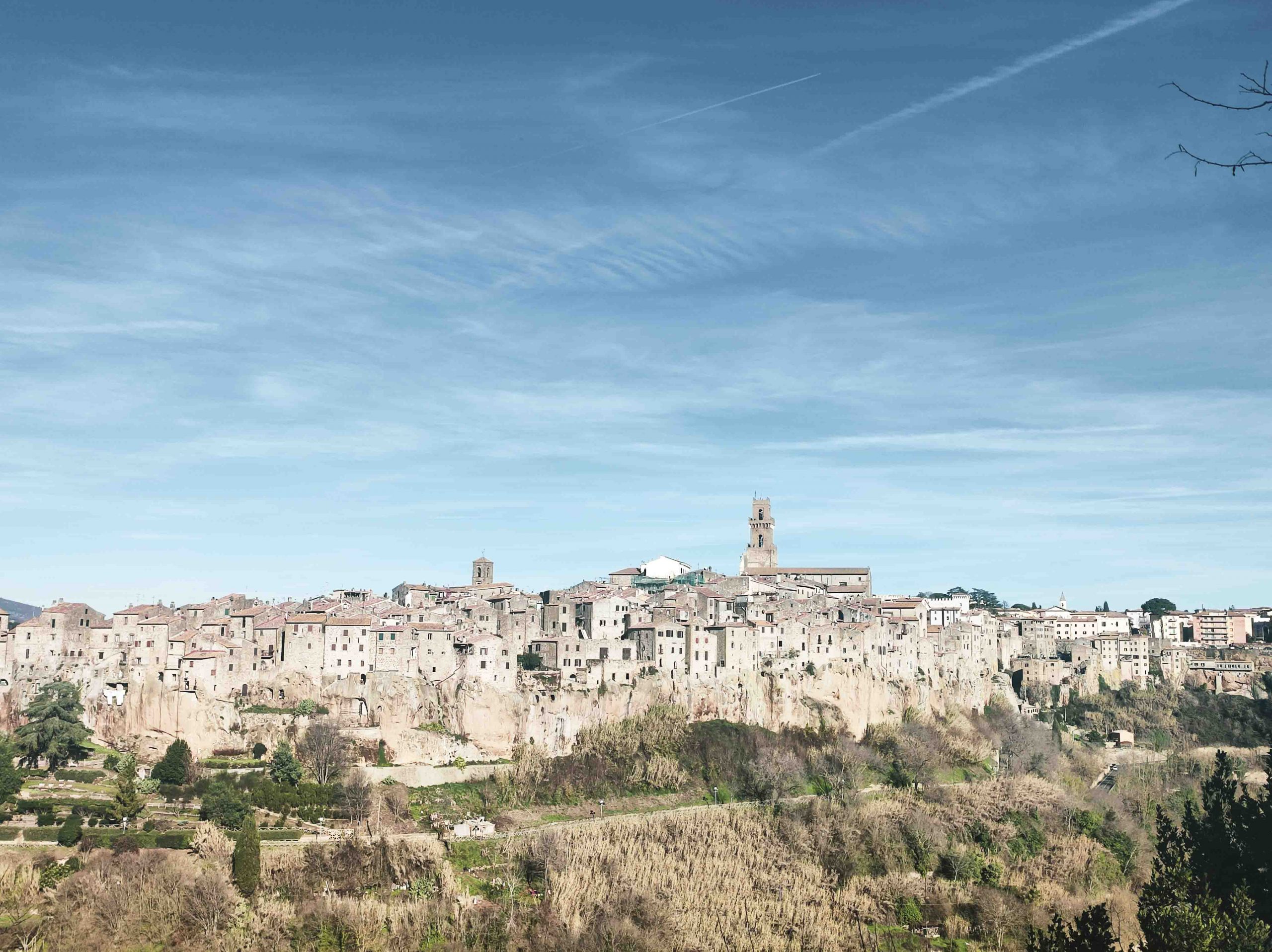
Chianti is rich in medieval castles and historic winery estates. Castello di Brolio, Castello di Volpaia and several other fortified buildings offer strong architectural photography subjects — particularly in the quality of stone textures and the relationship between man-made structure and surrounding vineyards.
Wine Photography
Chianti is inseparable from wine. The harvest season in late September and October is the most visually rich period — grapes being picked, wine cellars active, morning light through vineyard rows in autumn colors. This is also when the cultural photography dimension of a Tuscany experience becomes particularly meaningful: the relationship between people, land and seasonal rhythm.
How to Approach Chianti Photography
Unlike Val d’Orcia, where photography often revolves around specific iconic viewpoints, Chianti rewards exploration. The best images happen when you take a secondary road without a specific destination and stop when something catches your eye. Curving roads, unexpected vineyard driveways, the way a village roofline catches the morning light — these are the images that feel genuinely yours rather than a copy of something already on Instagram.
Join a private cultural photography
tour in Tuscany
Local guide. Max 4 photographers. Food and wine encounters included. From 3 days to a full 10-day private immersion.


6 Comments