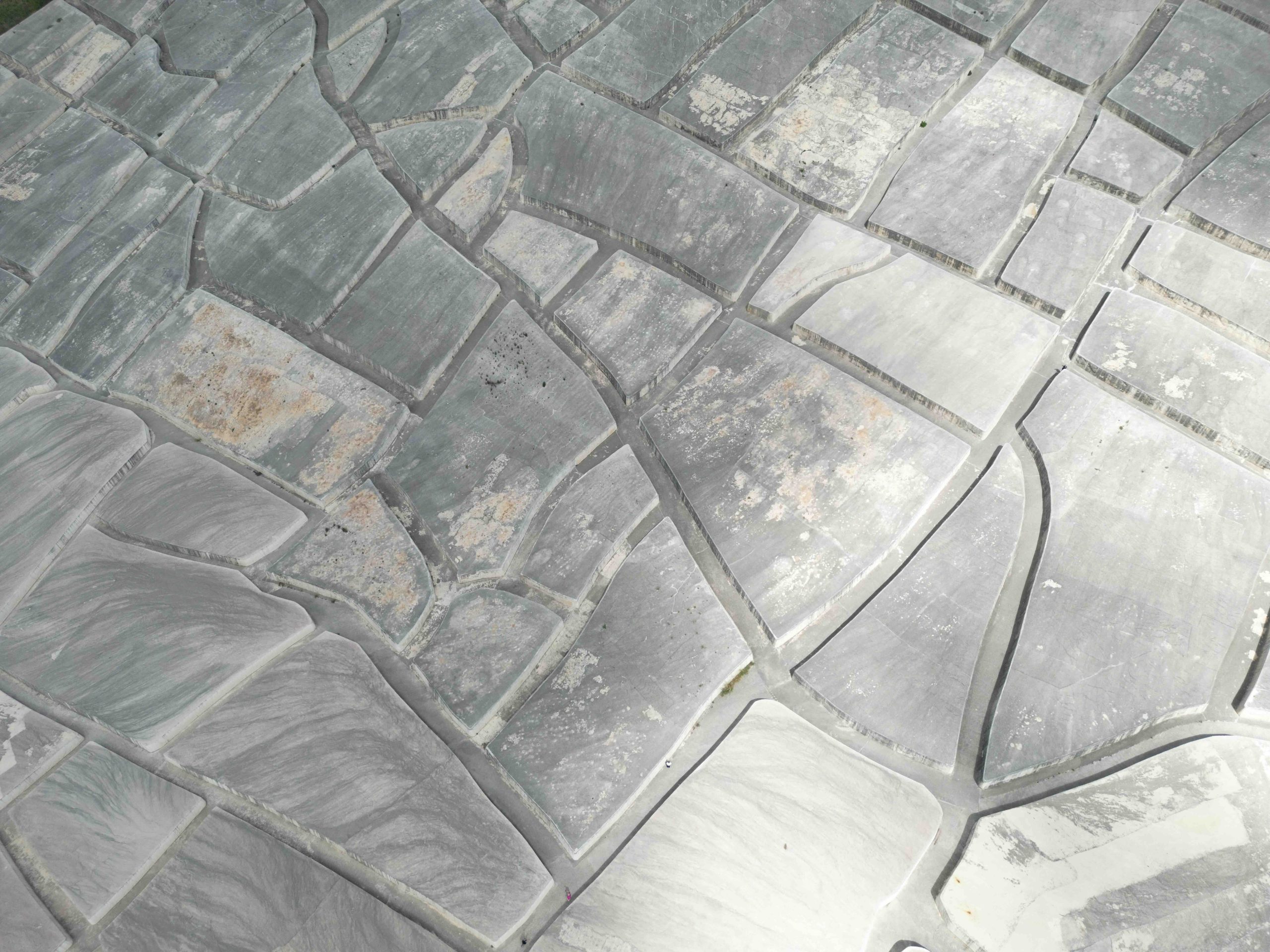
What Abstract Photography Asks of You
A Visual Essay
What Abstract Photography Asks of You
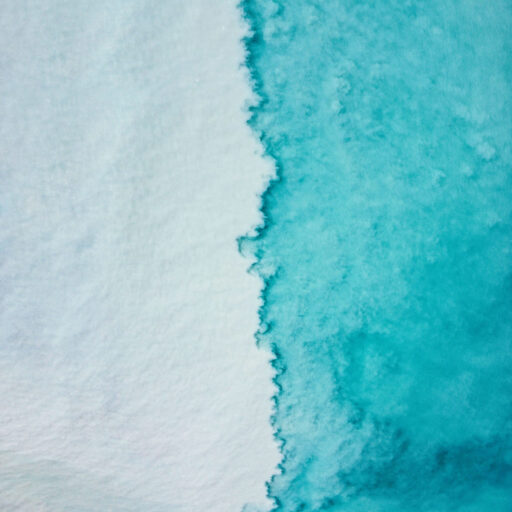
Every photograph begins with a question: what is this? Abstract photography begins by refusing to answer.
Shot from above, the sea stops being the sea. A cloud’s shadow crossing the water becomes a single stroke of grey on a field of blue. Nothing has been removed. The subject is still there — it has simply stopped speaking in nouns.
Seeing Before Knowing
The mind is a fast labeler: sea, algae, cloud, shore. It sorts the world so we can move through it without stopping. Abstraction resists that speed. It asks you to hold a shape a little longer than is useful, and to let a curve be a curve.


Algae drifting, Mare Nostrum — the sea rewritten as line and current

What Is Left When the Subject Dissolves
Four things, mostly. Light — not as illumination but as material, soft or raking across water. Line — the edge where current meets current. Color — temperature and mood, a field of turquoise says something a coastline cannot. Silence — the empty stretch of water that lets the rest breathe.

Where It Begins
Abstraction rarely happens at a viewpoint. It happens from above, in the tired light of late afternoon, in a stretch of water with no destination. It happens when I stop trying to photograph a place and start listening to what the place is made of — salt, algae, current, light.
This is something I try to pass on directly, not just describe. I love teaching creative photography in my photography workshops — showing people how to stop naming what they see and start noticing what it does.

How to Begin, If You Want To
Choose one square meter of the world and stay with it for ten minutes. Move closer than feels reasonable. Ignore the horizon. Ask not “what is this?” but “what is it doing?” It’s exactly the kind of exercise I bring into my creative photography workshops — because most people only need permission to look this way.
Abstract photography doesn’t hide the world. It returns it to you without its name.


