Gokarna
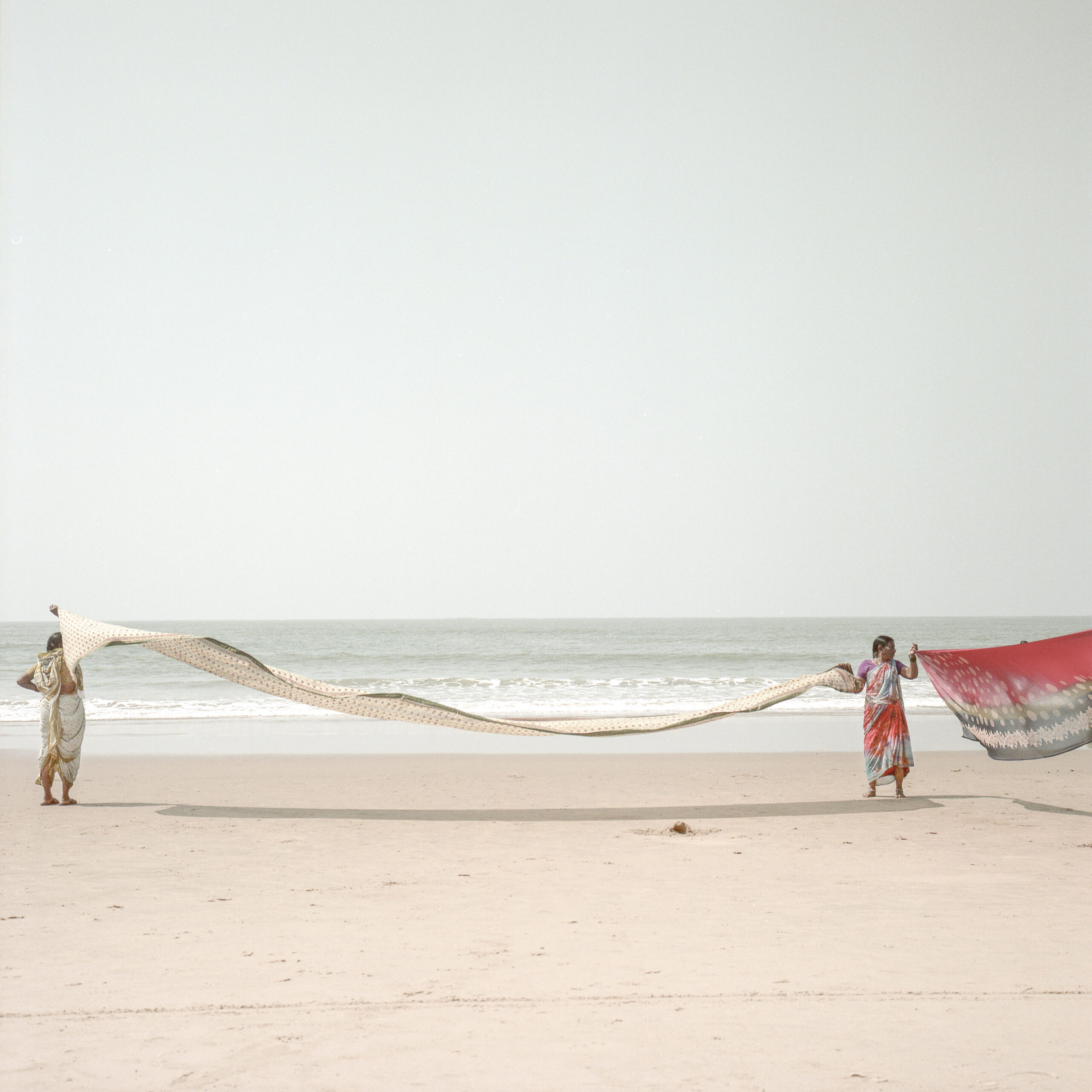
Gokarna
Photography at the Edge of the Sacred
Long before travelers arrived searching for quiet beaches and slower rhythms, Gokarna was already a place of pilgrimage.
Pilgrims still walk through its streets at dawn carrying flowers toward the temples while the Arabian Sea slowly emerges beneath the humid morning light. Between sacred rituals, fishing boats and monsoon clouds, the town moves with a calmness that feels increasingly rare in contemporary India.
Gokarna does not reveal itself immediately. It asks to be crossed slowly.
Pilgrimage and the Coastline
Unlike many coastal destinations transformed entirely by tourism, Gokarna still preserves its spiritual identity. Temples remain at the center of daily life. Pilgrims arrive from across India while fishermen return silently from the sea before sunrise. Sacred chants mix with waves and sea wind drifting through narrow streets faded by humidity and salt.
Walking here often feels suspended between journey and ritual.
What to Photograph in Gokarna
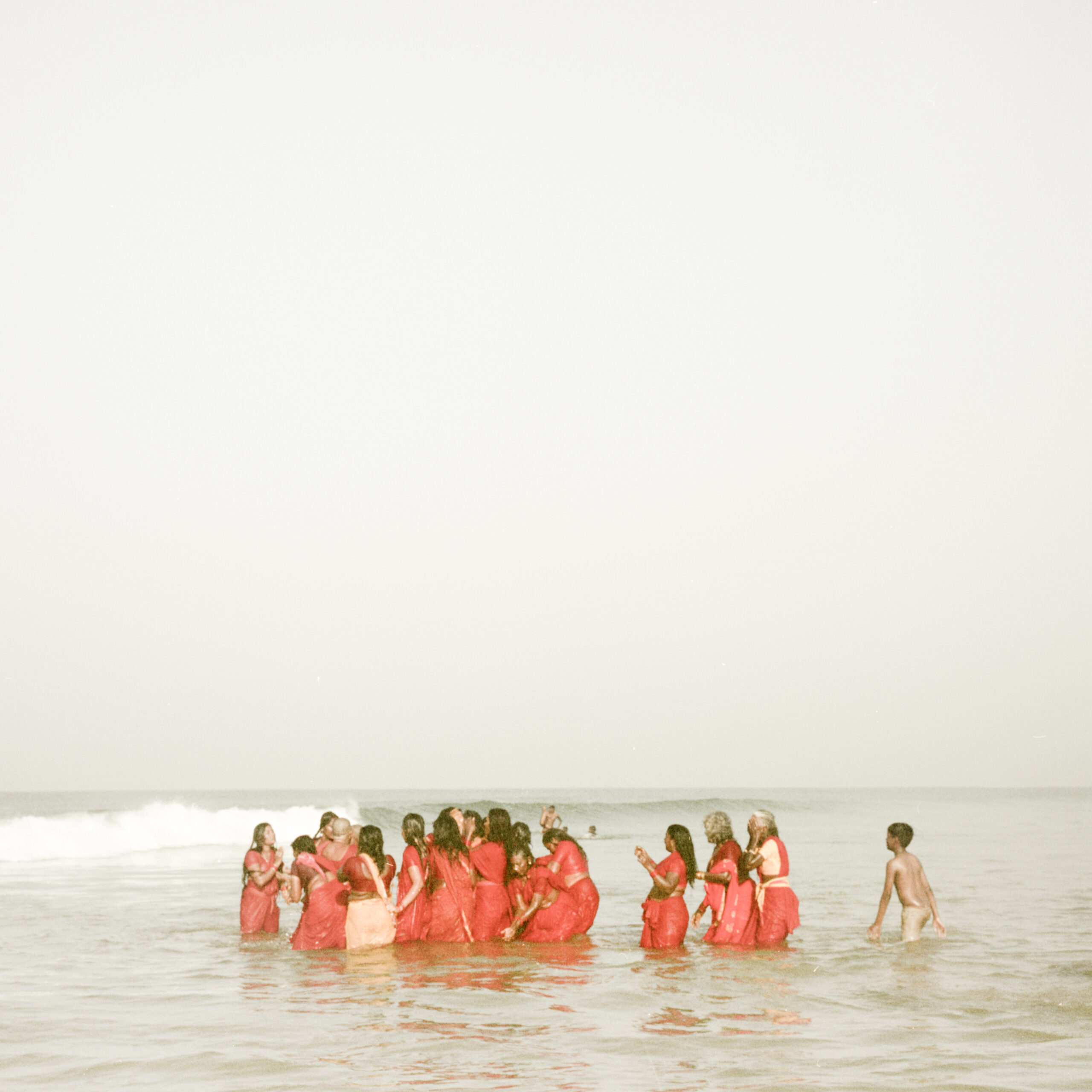
The photographic subjects here are not spectacles. They are rhythms — the rhythm of the tide, of the fishing boats, of the pilgrimage that has continued through these streets for centuries. A photographer who arrives looking for dramatic moments will find the town elusive. A photographer who sits and observes will find it endlessly generous.
- Pilgrims resting in temple shadows at midday
- Bare feet crossing wet sand at the water’s edge
- Monsoon clouds building above the coastline in late afternoon
- Fishermen returning before sunrise with the first light on their boats
- Incense smoke dissolving into humid air near the temple gates
- The narrow streets of the old town at dawn, empty and full of light

The Arabian Sea and Slowness
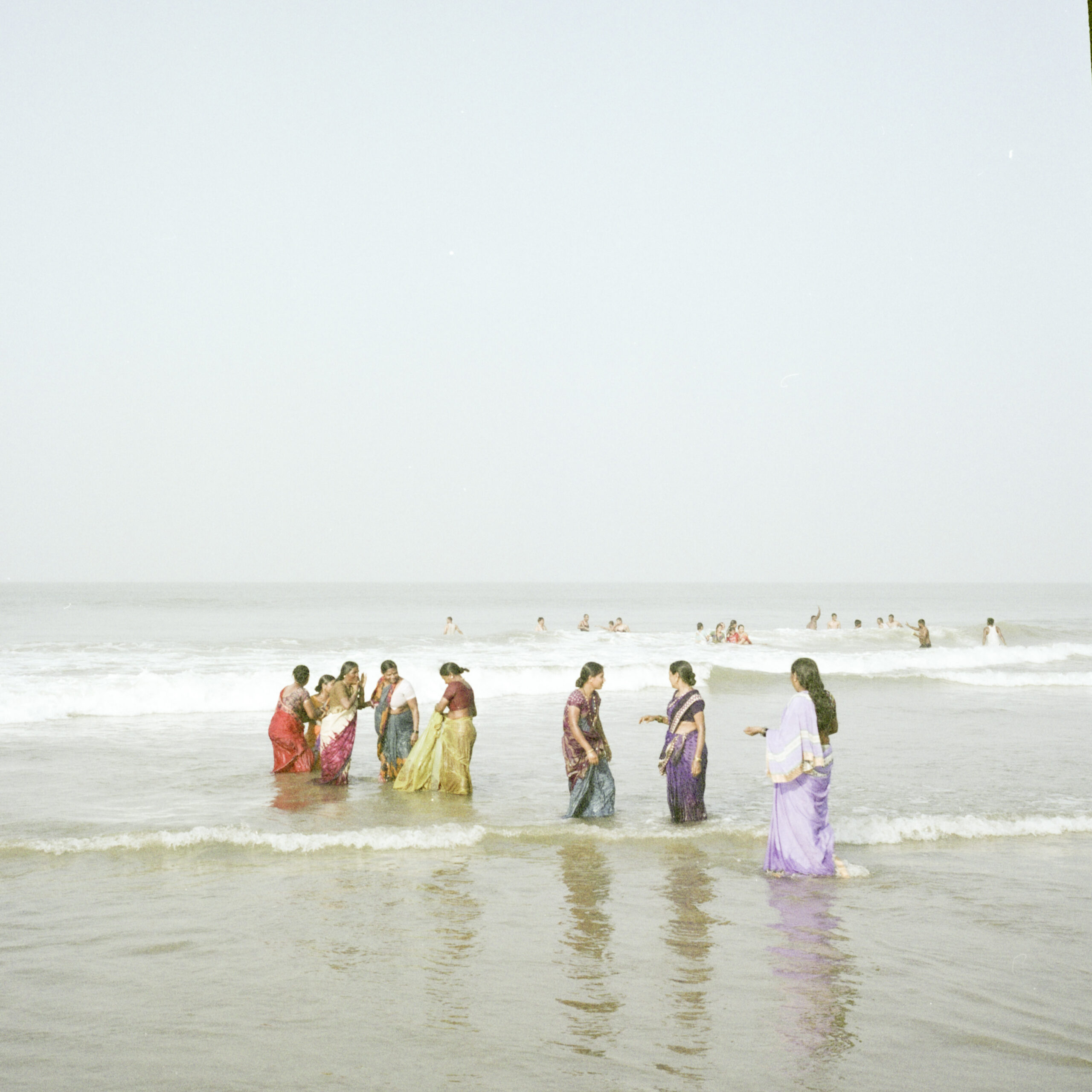
The western coast of India carries a different rhythm from the busy pilgrimage cities of the north. Afternoons dissolve into heat and silence while evenings arrive softly beneath storm clouds and fading light reflected across the Arabian Sea.
In Gokarna, travel becomes less about destination and more about presence. Perhaps this is why the place remains difficult to photograph quickly. It belongs to slower observation.
Gokarna as Part of a Southern India Photography Journey
Gokarna sits on the Karnataka coast, about 160km north of the Kerala border. It combines naturally with a Kerala photography tour — many photographers extend their time in southern India to include this town on the way north or south. The combination of Kerala’s temple festivals, backwaters and Fort Kochi with the pilgrimage atmosphere of Gokarna creates a complete visual journey through the most distinctive photography territory in southern India.
Kerala Photography
Workshop & Tour
An immersive journey through coastal and cultural southern India. Fort Kochi at dawn, backwaters by boat, temple festivals, the slow rhythm of the Arabian Sea coast. Max 4 photographers.
See the Kerala Workshop →
Exhibited in three US galleries
Limited edition prints on plexiglass — hand signed & numbered — edition of 10
Photography Expeditions
- Algarve & LisbonJune 10–16
- TuscanyOn request
- BrittanySeptember
- SicilyMid October
- RajasthanNovember
- KeralaJanuary
- CambodiaFebruary
Limited Editions
Printed on plexiglass. Hand-signed, numbered, certificate of authenticity. Edition of 10 per image. Available from the studio or through the three US galleries.
Raffaele Ferrari
Visual artist based in Tuscany. Trained in psychology. Fifteen years of expeditions across Italy, Europe and Asia. Exhibited in three US galleries.
“I travel to understand. The camera is how I show you what I found.”


