Italy Photography Guide
Raffaele Ferrari · Italy Photography Guide
Italy Photography Guide:
Italy is one of the few places in the world where every journey can become a photographic story — if you know how to slow down enough to find it.
Italy Photography Guide:
How to Photograph the Real Italy
Italy is one of the few places in the world where every journey can become a photographic story — if you know how to slow down enough to find it.
After leading photography workshops across Italy for more than a decade, I’ve learned one thing above everything else: the strongest images rarely come from famous viewpoints. They come from curiosity, patience, and the willingness to stay in one place long enough to understand it.
Every photographer arrives in Italy carrying an image of the country already formed — the cypress roads of Val d’Orcia, the Grand Canal at dawn, the light on the Colosseum in the late afternoon. These are not false images. They are real ones that have been made so many times, from so many of the same positions, that making them again requires something more than a good camera and a clear morning. What it requires is a willingness to put down the image you already know and look for the one that is actually there.
This guide is not a checklist of destinations. It is an attempt to describe how to photograph Italy with intention — how to read its light, approach its people, move through its streets and return home with work that is genuinely yours. If you’re drawn more to the country’s history and why it became a destination for artists and travellers in the first place, see The Grand Tour of Italy. This page stays practical: light, timing, technique and where to point the camera.
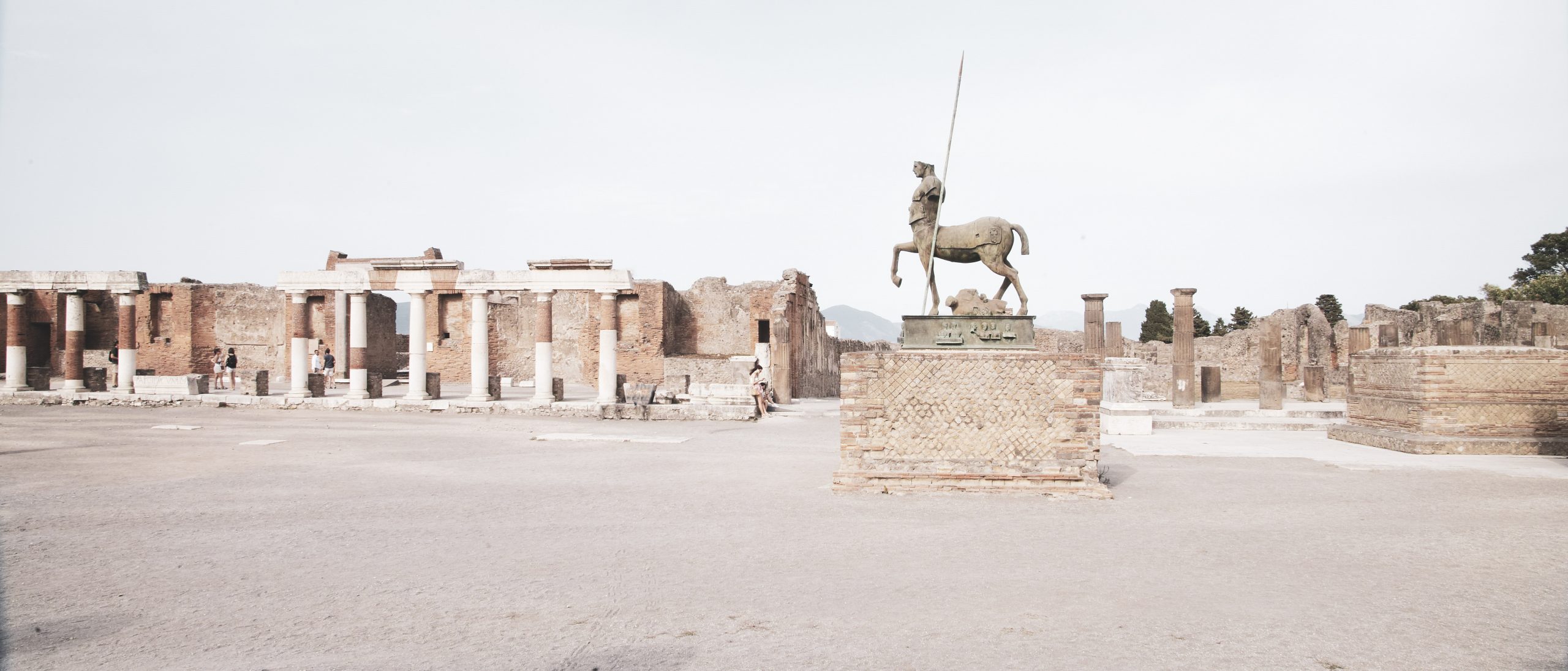
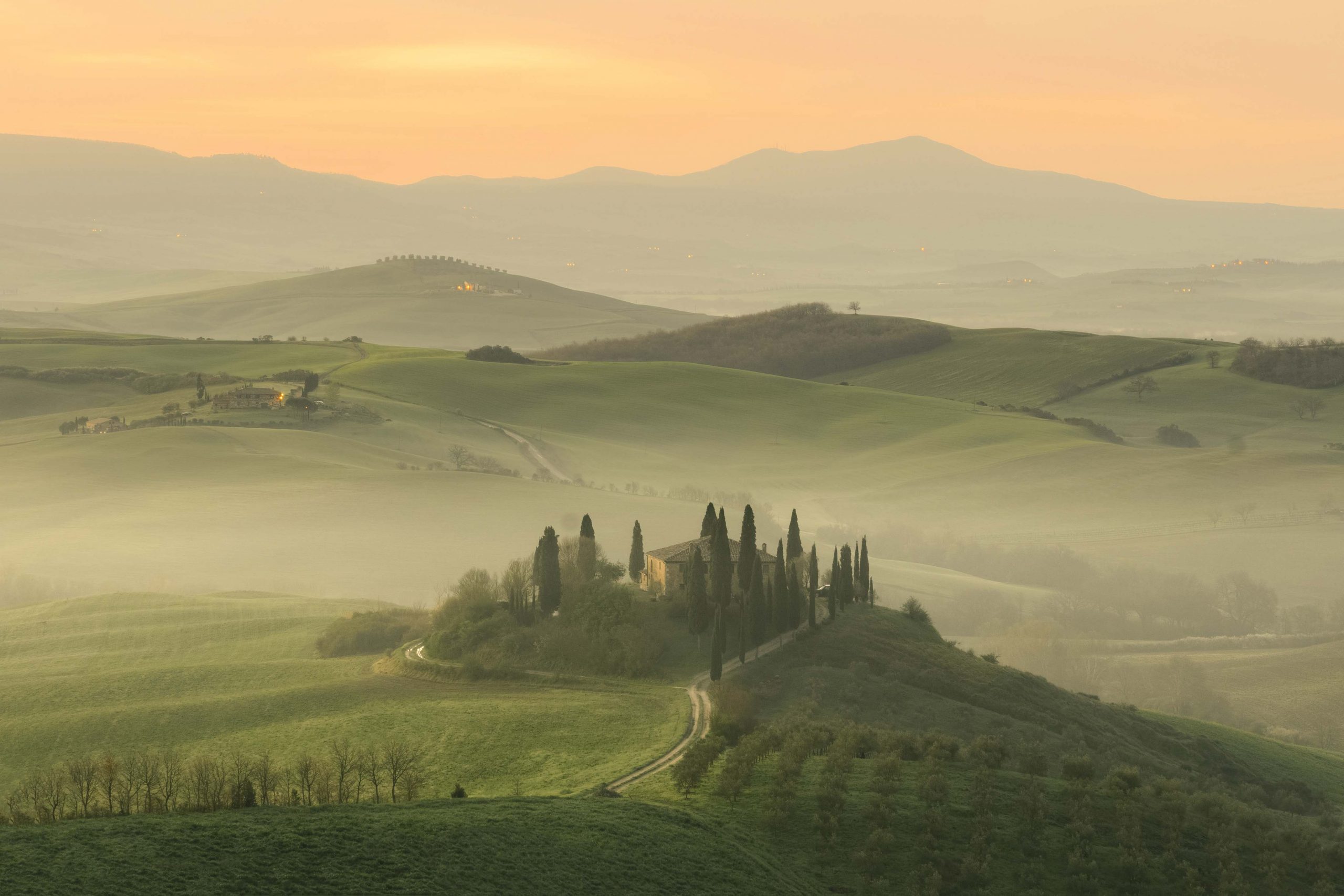 Val d’Orcia, Tuscany. The landscape that defined a visual grammar — and the challenge of making it yours.
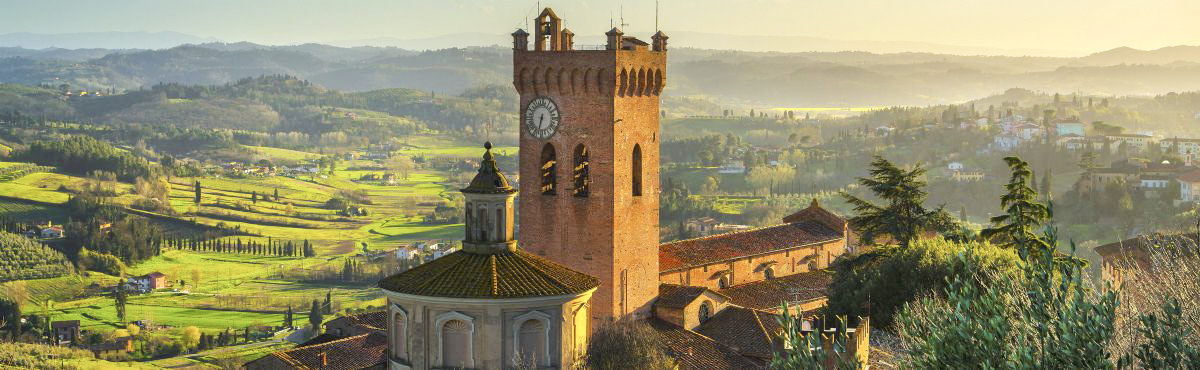 San Miniato, Tuscany. Winter fog in the Arno valley — the light that most photographers never see because they arrive in summer.
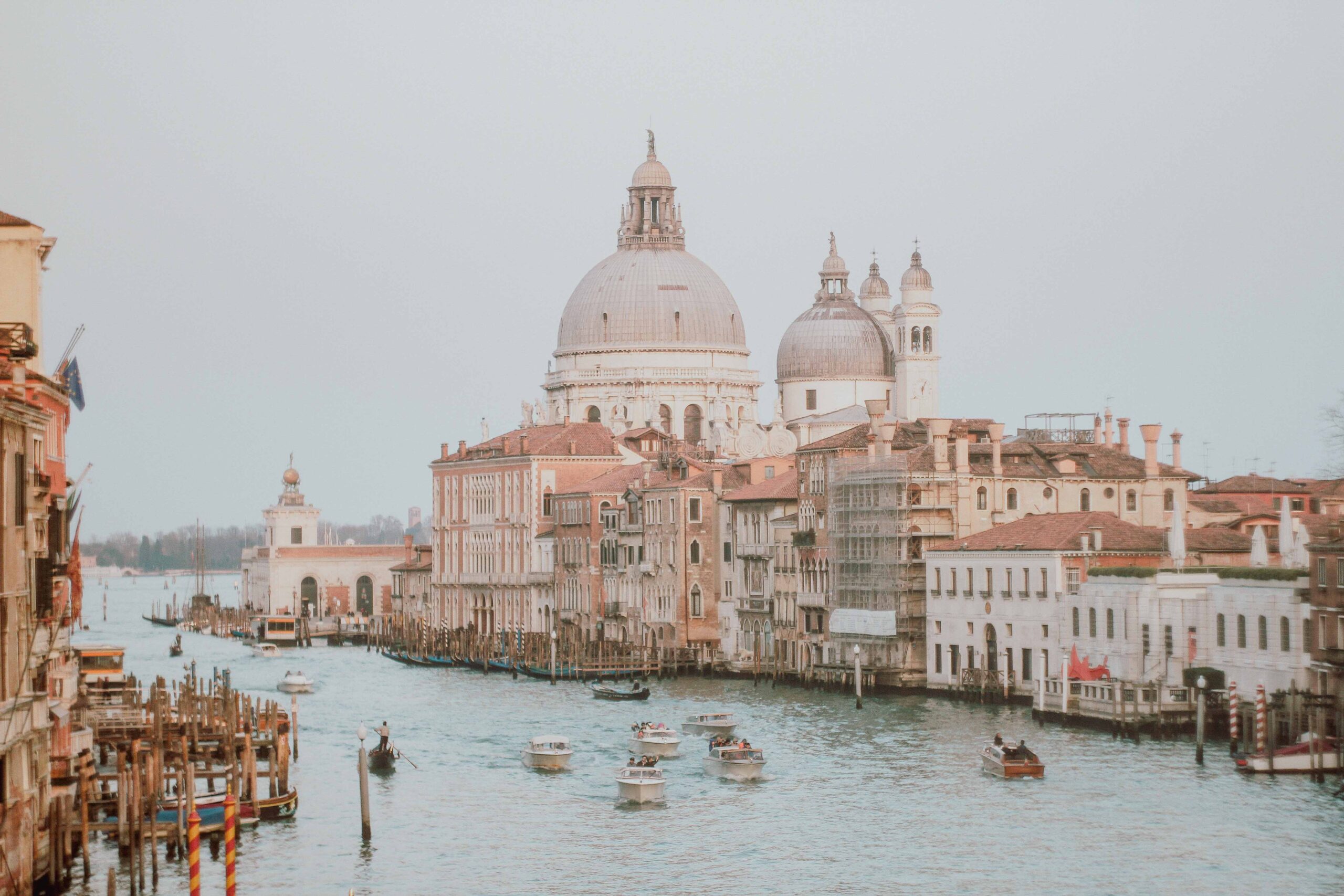
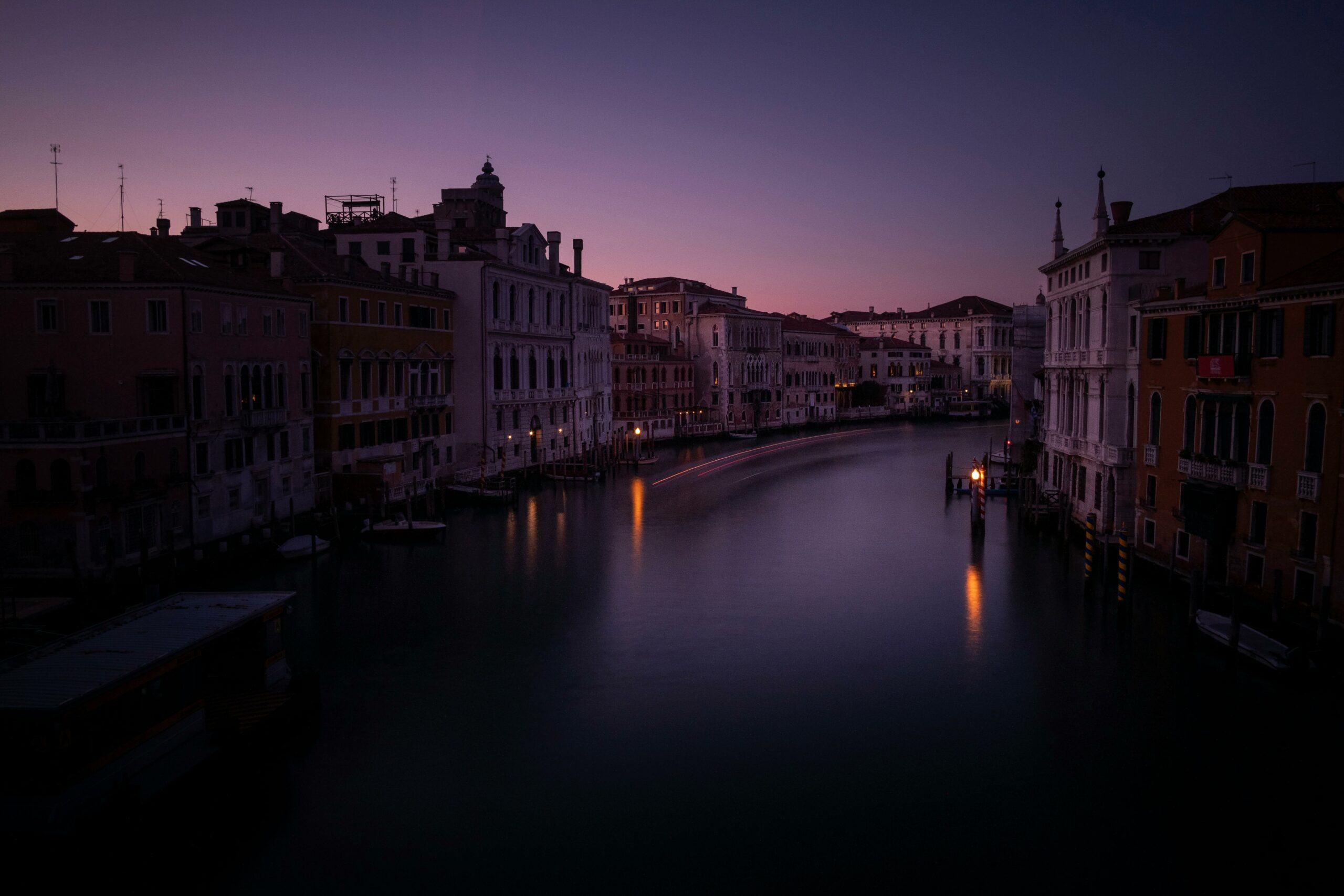 Venice at the edges of the tourist day — when the city belongs to its residents again.
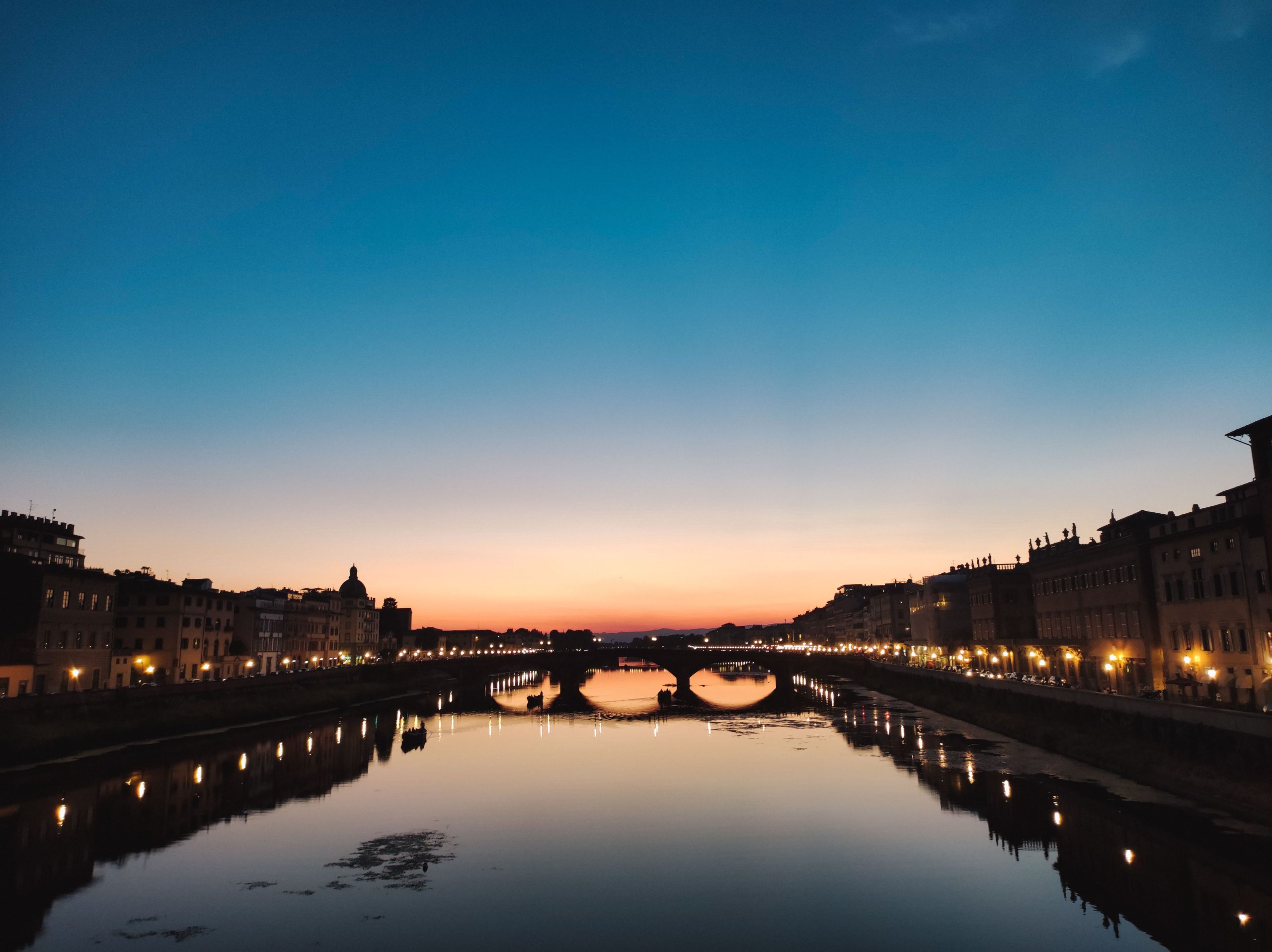 Florence — the city behind the postcard. The Oltrarno, early morning, before the museums open.
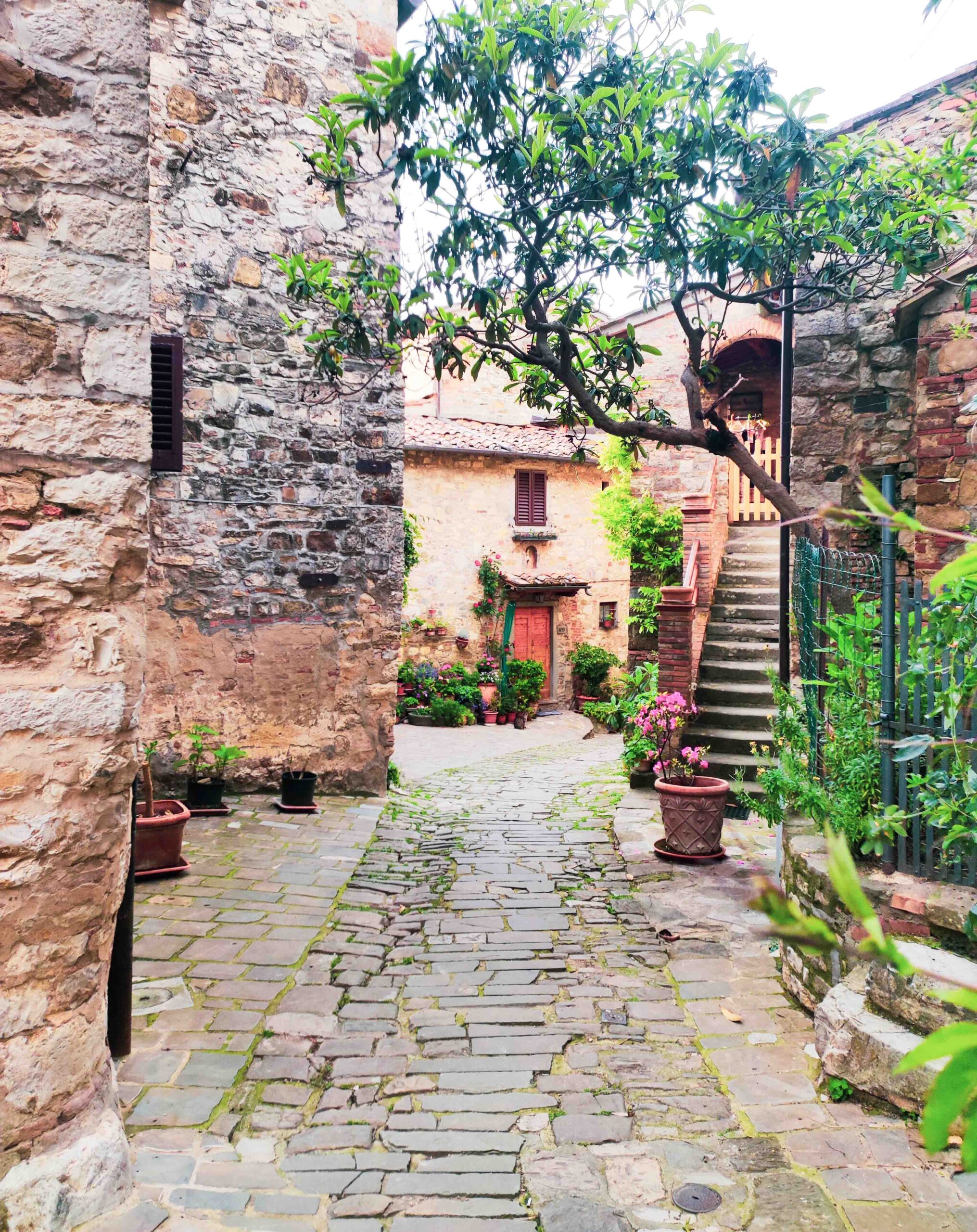 Matera, Basilicata. The sassi in afternoon light — one of the most visually complex urban environments in Italy.
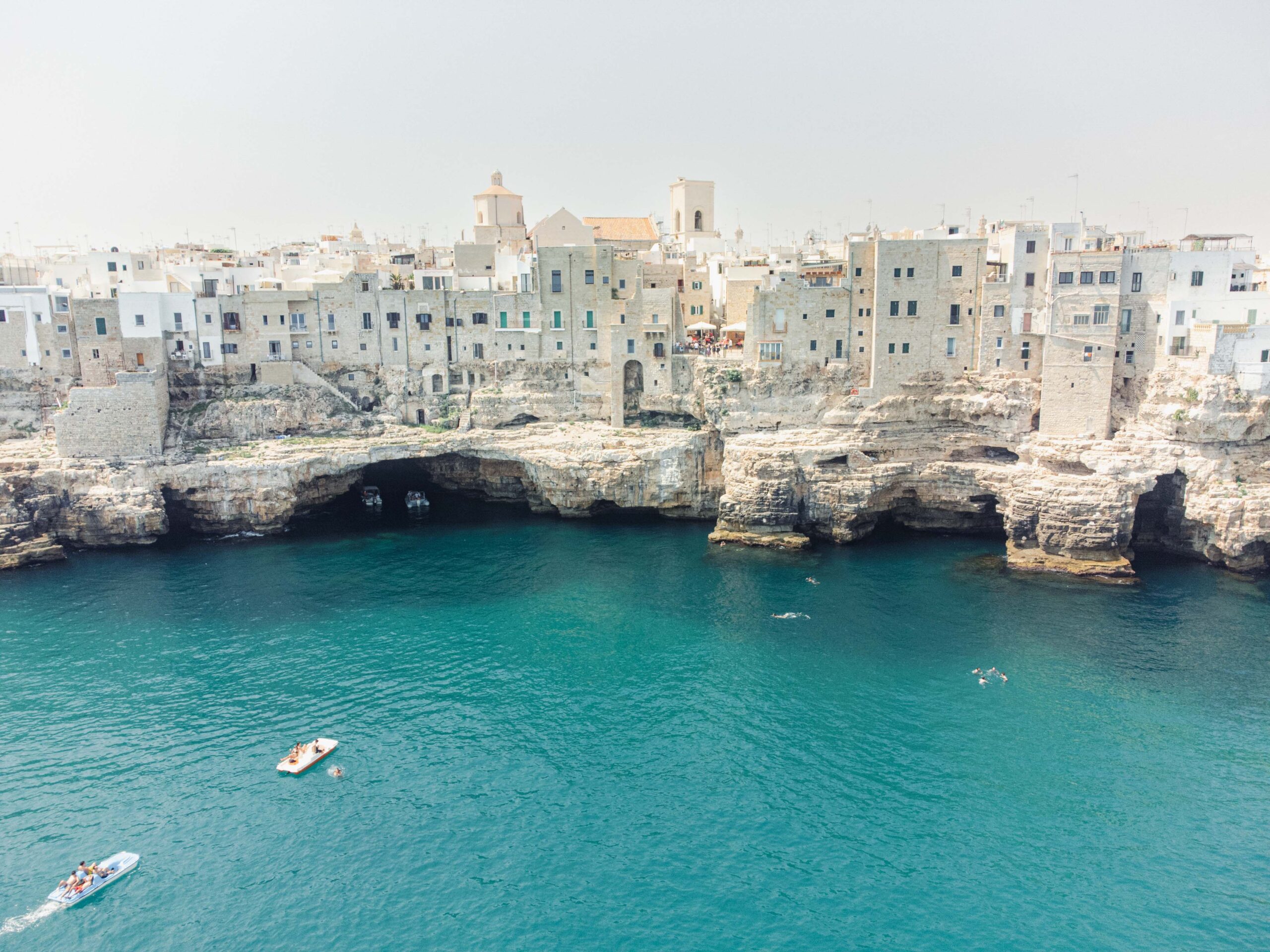 Polignano a Mare, Puglia. The Adriatic coast at a latitude where the light is hard, direct and completely unambiguous.
Naples. The most photographically honest city in Italy — and the most demanding.
Polignano a Mare, Puglia. The Adriatic coast at a latitude where the light is hard, direct and completely unambiguous.
Naples. The most photographically honest city in Italy — and the most demanding.
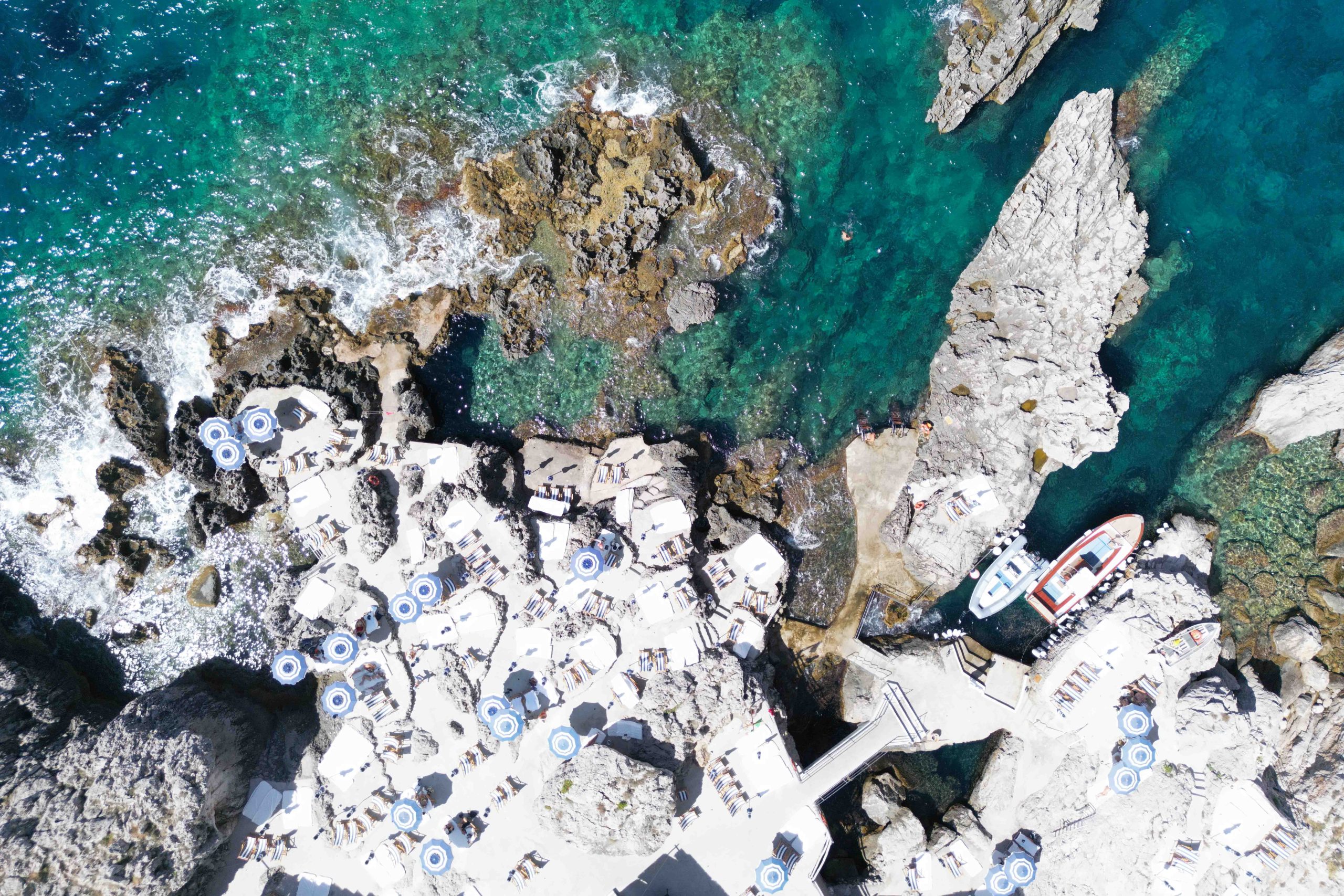 Capri, La Fontelina. The Italian coast at the point where landscape and life are genuinely inseparable.
What Makes Italy Unique for Photography
Most countries offer beautiful landscapes. Italy offers something much rarer. It offers layers. A morning in Tuscany feels completely different from an evening in Naples. Venice rewards the photographer who understands atmosphere and subtle light. Sicily offers energy, contrasts and centuries of cultural collision compressed into a single island. Matera tells its story through silence, texture and stone that has been inhabited for three thousand years. This diversity is what makes Italy one of the most demanding and most rewarding countries for anyone who wants to build a meaningful portfolio rather than collect isolated images. One lesson Italy has taught me, working here across every season and every region, is that the country resists the impatient photographer. The light changes radically by latitude — clean and northern in the Dolomites, warm and directional in Tuscany, hard and bleaching in Puglia and the deep south. Italian architecture accumulates centuries in a single frame: a Roman arch built into a medieval wall, topped by a Renaissance loggia, with a satellite dish above it. And Italian daily life — the markets, the piazzas, the bars at seven in the morning — still happens predominantly in public space, in a way that has almost disappeared from the rest of Europe. In Italy, the past is not behind you. It is beside you — and sometimes directly in front of you on the same street.Why Slowing Down Changes What You See
One mistake I see photographers making over and over again is trying to visit as many famous locations as possible. The result is a collection of disconnected images that look like everyone else’s. A stronger approach is to slow down. Spend time in one neighbourhood. Return to the same square at different times of day. Observe how people interact with their surroundings. Wait for moments instead of chasing them. Italy rewards observation far more than speed — and the most memorable photographs almost always happen after you’ve stopped looking for them.
Val d’Orcia, Tuscany. The landscape that defined a visual grammar — and the challenge of making it yours.
Landscape, Street, Documentary — Different Ways to See Italy
Every destination in Italy tells a different visual story, and the approach that works depends entirely on what kind of story you want to tell. Some photographers are drawn to rolling landscapes and golden light. Others prefer vibrant street life, traditional markets or quiet medieval villages. Before asking which region is the most beautiful, I always ask my participants: what do you actually want to say with your photographs? Landscape photography in Italy is a discipline of planning and patience — understanding the direction of light at different latitudes, reading the weather, committing to a position before the conditions arrive. Street and documentary photography, however, requires something different: the ability to move through a place without disrupting it, to read a scene before raising the camera. It also means approaching people with genuine curiosity rather than simply pointing a lens at them. The strongest portfolios from Italy tend to combine both.
Photography Workshop · Tuscany
The Tuscany Photography Workshop — Landscape, Light and the Classic Italian Visual Tradition
Six days through Val d’Orcia, Chianti and the Tuscan countryside. Guided by a local photographer who has spent years learning where the light falls and when.
Discover the Tuscany Workshop →
Italy’s Most Photogenic Regions — What Each Place Asks of You
Instead of asking which region is the most beautiful, ask yourself what kind of story you want to tell. Every destination below offers a completely different photographic experience — different light, different rhythm, different relationship between the photographer and the place.
Central Italy
I grew up with this light. It taught me what happens to the hills of the Crete Senesi in November, how the mist sits in the Val d’Orcia at dawn, and why the cypress road at Podere Belvedere looks completely different on a grey morning than it does at golden hour. This familiarity is the reason I keep coming back — and the reason I keep finding new images there, long after I thought I had understood the place.
The difficulty with Tuscany is not finding beautiful things to photograph. It is making an image that is genuinely yours rather than a confirmation of what already exists. Val d’Orcia has been photographed so thoroughly from its most famous positions that arriving there on a clear morning almost guarantees a technically good photograph — and almost guarantees it is not quite yours. The way through this is to stop looking for the established composition. Instead, look at what is actually in front of you: the specific quality of that morning’s mist, the one cypress that fell two winters ago, the light doing something on a back road that no-one else stopped to notice.
Tuscany Photography Workshop ·
How to Photograph Val d’Orcia
Tuscany — Where the Visual Grammar Was Written
San Miniato, Tuscany. Winter fog in the Arno valley — the light that most photographers never see because they arrive in summer.
Northeast Italy
The first time I photographed Venice seriously, I spent three days in the Cannaregio district without once going to the Grand Canal. By the third morning, indeed, I had images I had never seen anywhere else — not because Cannaregio is more beautiful than San Marco, but because I had stayed long enough to understand what it actually looked like. Venice is not a city that reveals itself quickly. It rewards the photographer who resists the obvious, who arrives before the tourist day begins and moves immediately away from the water.
The Castello and Dorsoduro districts operate at a completely different pace, as do the lagoon islands of Burano and Torcello in winter, when the tourist traffic has almost entirely stopped. Seen from the Zattere at dusk, the Giudecca waterfront is another Venice that remains genuinely photographic. Moreover, the fog that settles over the lagoon between November and February transforms the city into something completely different from the summer version.
Venice Photography Workshop ·
Venice Street Photography Guide
Venice — The City That Punishes Laziness
Venice at the edges of the tourist day — when the city belongs to its residents again.
Tuscany · Central Italy
Florence is a city I return to every year, and every year it shows me something I missed before. The question here is never where to photograph — it is how long to stay. The Ponte Vecchio at dawn, the Duomo from Piazzale Michelangelo, the Uffizi courtyard before the museums open — these are extraordinary subjects that become original only through repeated attention.
South of the Arno, the Oltrarno is the neighbourhood Florentines have always considered the real city — and it’s where I always begin. Artisan workshops still operate as they did fifty years ago, local bars fill with people who actually live there at seven in the morning, and the quieter piazzas of Santo Spirito and Santa Felicita see almost no visitors at all.
Photograph the Hills of Florence
Florence — The City That Rewards Precision
Florence — the city behind the postcard. The Oltrarno, early morning, before the museums open.
Southern Italy · Island
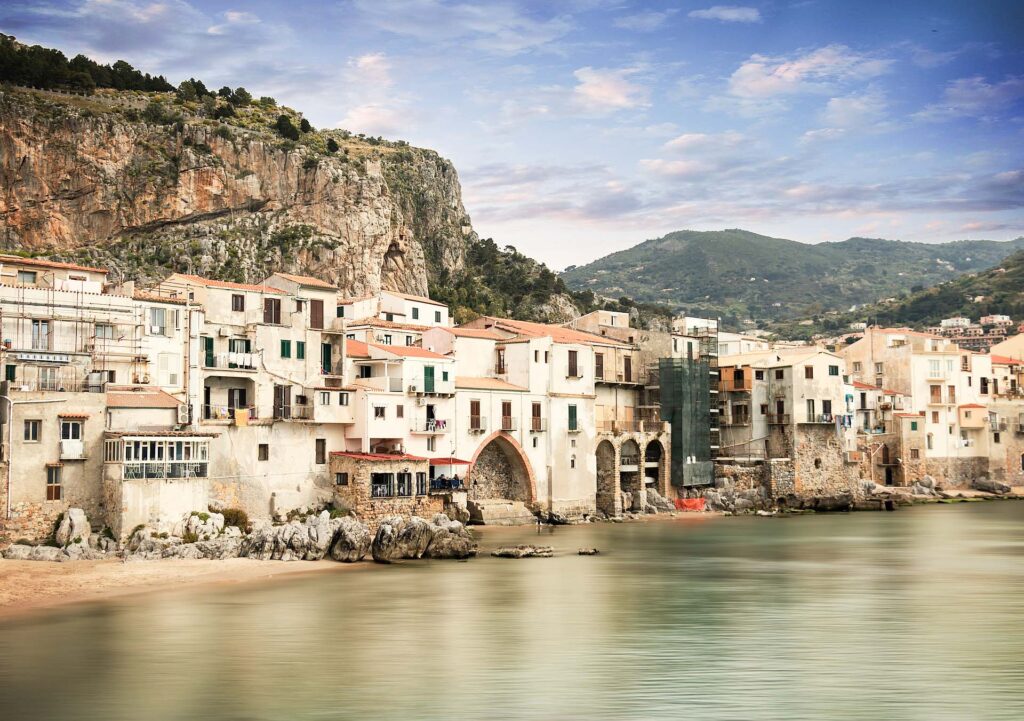
Sicily operates at a different visual frequency from the rest of Italy. The light is harder, the shadows more severe, and the contrast between bleached stone and intense blue sky demands a different way of thinking about exposure and composition. Every civilisation that ever controlled the Mediterranean left something here — Greek temples, Norman cathedrals, Arab-Norman architecture, Baroque cities rebuilt after the 1693 earthquake. That compression of history into one island, in turn, creates a visual density unlike anywhere else in Europe.
The markets of Palermo — the Ballarò, the Vucciria, the Capo — are some of the most photographically intense environments I have ever worked in. Dense, loud, full of colour and movement and the particular energy of a place that has been operating the same way for centuries.
Sicily Photography Workshop
Sicily — The Mediterranean Condensed
Photography Workshop · Sicily
Sicily Photography Workshop — Markets, History and the Visual Intensity of the Island
Seven days across Sicily’s most photogenic environments. Landscape, documentary and street photography combined under the southern Italian sun.
Discover the Sicily Workshop →
Basilicata · Southern Italy
The first time I photographed Matera I made the same mistake most photographers make: I arrived with a plan. I knew which viewpoints I wanted, I knew what time the light would be good, I had the images in my head before I had even raised the camera. I spent two days making exactly those images. On the third day I abandoned the plan and simply walked — into the inhabited sassi, into the narrower alleys, into the rupestrian path that runs along the floor of the ravine. The photographs from that third day were the only ones I kept.
Matera is a place that requires time, and it punishes impatience. The sassi, indeed, change completely with the light — grey-blue and abstract at dawn, sharply geometric by mid-morning, warm ochre in the late afternoon when the horizontal light fills the ravine.
Matera — Three Thousand Years in a Single Frame
Matera, Basilicata. The sassi in afternoon light — one of the most visually complex urban environments in Italy.
Southern Italy
I bring photographers to Puglia because it is the region that teaches them the most in the shortest time. Not about technique — about how to look. The light here is harder than Tuscany and less forgiving. It creates shadows that function as compositional lines, walls that glow, water that turns silver at dawn and copper at dusk.
The trulli of Alberobello, the baroque streets of Lecce, the fishing ports of Gallipoli and Otranto before the city wakes — these environments still operate on their own terms. None of them have yet been reorganised around the photographic visitor. The most memorable morning I have spent in Puglia was, in fact, at a small fishing harbour near Otranto at four-thirty in the morning, waiting for the boats to come in.
Puglia — Where Italy Meets the Sea and the Market
Polignano a Mare, Puglia. The Adriatic coast at a latitude where the light is hard, direct and completely unambiguous.
Campania · Southern Italy
Naples is the most honest city in Italy. It does not perform for anyone. The Quartieri Spagnoli operates at full volume — laundry six floors above the lane, cooking in the street, commerce through open windows, children and motorbikes sharing the same narrow space. All of this continues regardless of whether a photographer is there or not. That indifference is exactly what makes it so photographic.
For a photographer who wants to understand street photography, there is no better classroom in Italy. You cannot plan the image in advance. You can only be in the right place, in the right state of mind, and be ready when the moment arrives.
Naples — Street Photography at Its Most Demanding
Naples. The most photographically honest city in Italy — and the most demanding.
Liguria · Northern Italy
Cinque Terre is one of those places where the challenge is entirely about angle and timing. The coloured houses on the cliffs above the sea have been photographed from the same positions so many times that arriving at the standard viewpoints produces images that belong to a visual category rather than to you. Working from the inside solves this — the early-morning fishing activity before the tourist boats arrive, the hiking paths between the villages, the smaller headlands along the coast.
Cinque Terre — Five Villages and the Problem of the Familiar
Capri, La Fontelina. The Italian coast at the point where landscape and life are genuinely inseparable.
Northeast Italy · Alps
The Dolomites demand a level of commitment that separates photographers who are serious from photographers who are merely interested. Its most extraordinary conditions are brief and unforgiving of poor timing. Think alpenglow on the rock faces in the minutes before sunrise, the reflection of the Tre Cime in Lake Antorno on a still morning, or the wildflower meadows above Ortisei in July. Wake before four, drive in the dark, wait without knowing what will happen. When the conditions arrive, they are unrepeatable. That is the point.
The Dolomites — Landscape Photography at Altitude
How to Build a Meaningful Photography Portfolio in Italy
After years of leading workshops, I have noticed that the photographers who return home with the strongest work are rarely the ones who visited the most places. They are the ones who decided what they wanted to say before they arrived — and then held to that intention even when something more immediately attractive appeared around the corner. Italy is not a country to be collected. It is a country to be experienced slowly. A meaningful portfolio from Italy requires a unifying idea — not a theme in the heavy-handed sense, but a consistent visual approach. That might mean a commitment to a single focal length, a documentary project on a specific tradition, or an interest in the relationship between ancient stone and the people who still live inside it. A strong portfolio is not a record of places visited. It is evidence of a photographer’s sustained attention to a single idea.The Best Time to Photograph Italy
Spring and autumn are the seasons most travel guides recommend, and they are right — April to June and September to October offer the best combination of light, weather and reduced tourist pressure. But in my experience, the time of day matters far more than the season. The most interesting light for documentary and street photography rarely falls at golden hour. It falls at seven in the morning, when the market is setting up, and again at eleven, when the hard southern light creates precise shadows in the alleys of Lecce. By four in the afternoon, the stone of Matera turns ochre and nobody else is there yet.Shoulder Season and Winter — The Photographer’s Advantage
November through February is when most of Italy belongs to itself again. Florence in February, Venice in January, Naples at any point between November and March — these are cities operating at their natural pace. The fog that settles on the Tuscan hills and the Venetian lagoon in December and January transforms both environments into something completely different from the summer version.Festivals and Markets — Specific Dates Worth Planning Around
Several events can anchor an entire Italian photography trip: the Palio di Siena in July and August, the Infiorata flower festivals of Noto and Spello in May and June, the grape harvest in Chianti and Montalcino in September and October, the Festa di San Gennaro in Naples in September, and the winter carnival in Venice in February. Even so, the images that work are never the obvious ones.Photograph Italy with Purpose
Photographers who leave Italy with the strongest portfolio are rarely those who visit the most places. After leading workshops here for more than a decade, I can tell you that with certainty. They are the ones who slow down. They return to the same square, wait for light, and speak with people. Instead of chasing landmarks, they look for stories. I have watched photographers arrive in Florence with four days and a list of twenty locations. By day two they are exhausted and their images all look the same — well-exposed records of things that exist, made without understanding. I have also watched photographers arrive with three days and one neighbourhood. By day three they know every bar, every light angle, every face that appears in the morning. Their images are completely different. One lesson Italy has taught me, repeatedly, is that the country will not give itself to the photographer in a hurry. It requires a kind of deliberate attention that our normal way of travelling actively discourages. That is the difference between a beautiful picture and a meaningful photograph. Italy offers both. The meaningful photographs are harder, and rarer, and they are the ones that stay with you long after you have returned home.Photography Workshops in Italy — Working with a Photographer Who Knows the Place
The workshops I lead are designed around a different way of experiencing Italy — from the timeless landscapes of Tuscany to the visual intensity of Sicily and the atmosphere of Venice in winter fog. They are not tours. They are guided exercises in learning to see — in the field, in real time, with someone who has spent years learning the visual logic of these specific places. If you are looking for more than a sightseeing itinerary — if you want to return from Italy with work you are genuinely proud of — the workshops below are designed for you. Maximum four participants. Every date guaranteed to run. No deposit required to enquire.
Photography Workshops · Italy
Go Further with a Local Guide
Small groups. Individual mentoring. Every workshop guaranteed to run.
Tuscany — Italy
Tuscany Photography Workshop
Landscape, light and the classic Tuscan visual tradition. Val d’Orcia, Chianti and the hill towns in small group.
Discover →
Sicily — Italy
Sicily Photography Workshop
The visual intensity of the Mediterranean island. Markets, temples, baroque cities and southern light.
Discover →
Venice — Italy
Venice Photography Workshop
Venice beyond the obvious — the quiet canals, the working districts, the lagoon in winter. Small group, local knowledge.
Discover →
Italy Photography Guide — Frequently Asked Questions
What is the best time of year to photograph Italy?
Spring (April–June) and autumn (September–October) offer the best combination of light, weather, moderate temperatures and reduced tourist pressure. However, the time of day matters far more than the season. Venice, Florence and Naples in January or February offer access to daily Italian life that is simply impossible in July.What camera equipment do I need for photography in Italy?
For landscape photography in Tuscany and the Dolomites: a mirrorless or DSLR with wide-to-standard zoom and tripod. For street and documentary in Naples, Sicily and Matera: a compact mirrorless — Leica M or Fuji X systems work exceptionally well — with a 35mm or 50mm prime. The most important piece of equipment for Italy is not optical. It is time.Which part of Italy is best for street photography?
Naples is the finest city in Italy for street photography — the Quartieri Spagnoli and Spaccanapoli offer a density of public life unmatched in the north. Palermo’s historic markets (Ballarò, Vucciria) are comparable in energy. Matera, Lecce and the smaller towns of Puglia offer slower documentary photography opportunities.What are the best photography locations in Tuscany beyond Val d’Orcia?
The Chianti wine country between Florence and Siena offers comparable landscape quality with significantly less competition from other photographers. South of Siena, the Crete Senesi produce a different visual register entirely — bare clay hills with a lunar quality. Further north, the Garfagnana offers medieval villages and mountain landscapes almost entirely undiscovered by photography tourists.How do I photograph Venice without getting the same images as everyone else?
Move away from the Grand Canal. The districts of Cannaregio, Castello and Dorsoduro operate at a completely different pace. Photograph before nine o’clock in the morning, when residents are going to work and the light is still low and directional. Visit in winter — November through February — when frequent fog transforms the lagoon into one of the most photographic environments in Europe.Is Southern Italy worth visiting specifically for photography?
Yes, and it may offer the best documentary photography opportunities in the country. Matera, the Puglia interior and coast, Naples and the towns of Campania have not been photographically saturated in the way that Tuscany and Venice have. The visual grammar of southern Italy is not yet established — which means the images you make there can genuinely be yours.What is the difference between a photography tour and a photography workshop in Italy?
A photography tour visits locations; a photography workshop uses locations as the material for teaching. At the end of a tour, you have photographs from places you visited. At the end of a workshop, you have a body of work instead. The images reflect a developing understanding — how to approach a subject, how to edit what you have made, and how the individual photographs relate to each other as a series.How long should I plan a photography trip to Italy?
For meaningful work from a single region — Tuscany, Sicily, or Puglia — a minimum of seven days, with ten to fourteen days preferable. The most common mistake is attempting too many regions in too little time. Three days in Val d’Orcia produces better photographs than one day each in six different Tuscan destinations.
Photography Workshops · Italy
Photograph Italy with Someone Who Knows It
Small groups. Individual mentoring in the field. Every workshop guaranteed to run regardless of how many participants book. Write to Raffaele directly — no deposit required to enquire.
View All Photography Workshops


One Comment