
Grand Tour in Italy
Raffaele Ferrari · Journal
The Grand Tour of Italy —
Three centuries ago, young Europeans travelled to Italy to complete their education. Photographers still make the same journey — for the same reason.
The Grand Tour of Italy —
a Journey That Never Really Ended
Three centuries ago, young Europeans travelled to Italy to complete their education. Photographers still make the same journey — for the same reason.
The Grand Tour was never really about sightseeing. For the young aristocrats of eighteenth-century Europe, it was an education — a slow passage through the cities that had shaped Western art, undertaken to complete an understanding of history, taste and beauty that no classroom could offer.
Photographers, in a sense, inherited that same instinct. We travel to look closely, to spend real time with a place rather than simply pass through it. Italy still rewards that kind of attention better than almost anywhere else in the world — which is, I think, exactly why the Grand Tour chose it first.
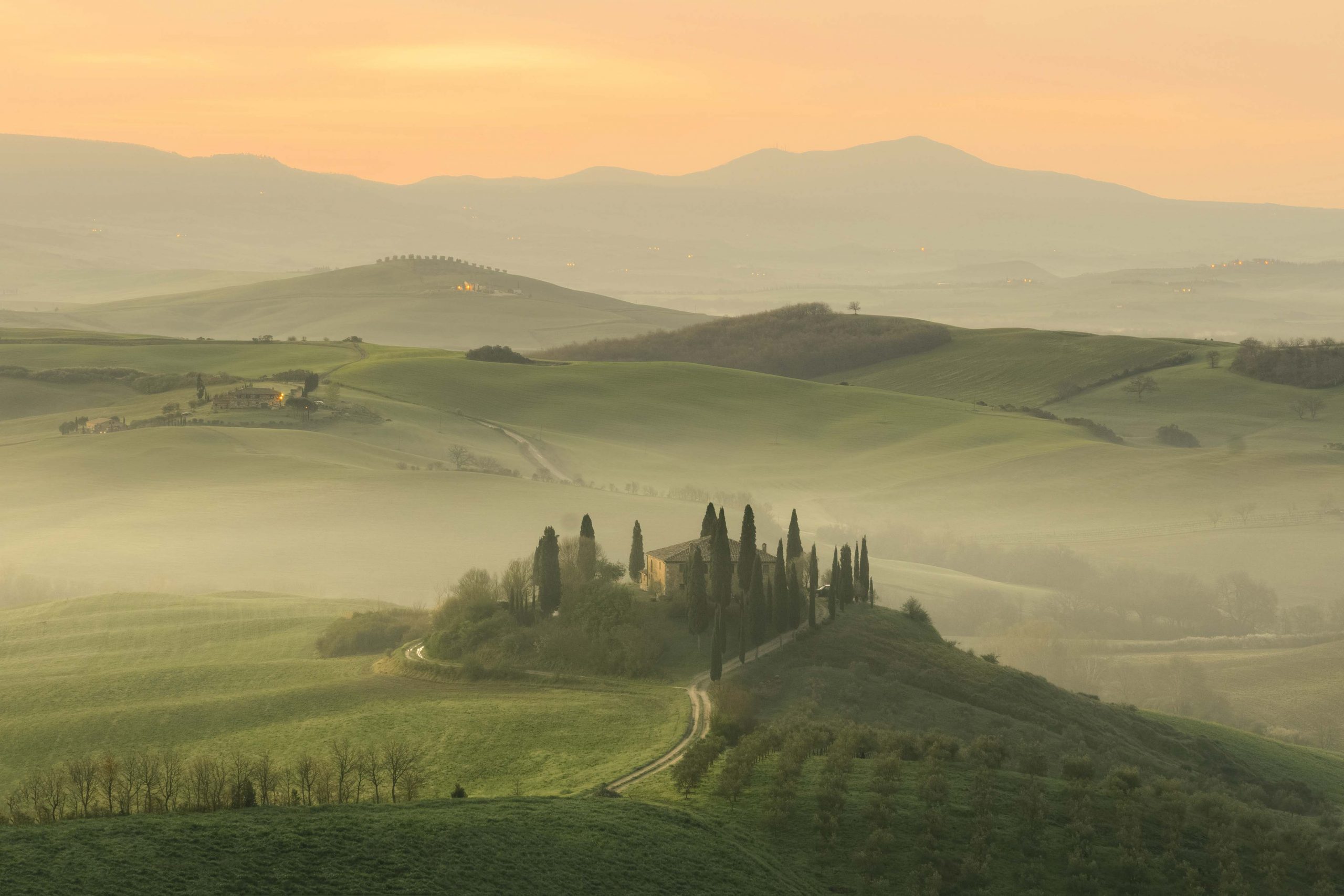
Val d’Orcia, Tuscany — landscape that has drawn travellers south for three hundred years.
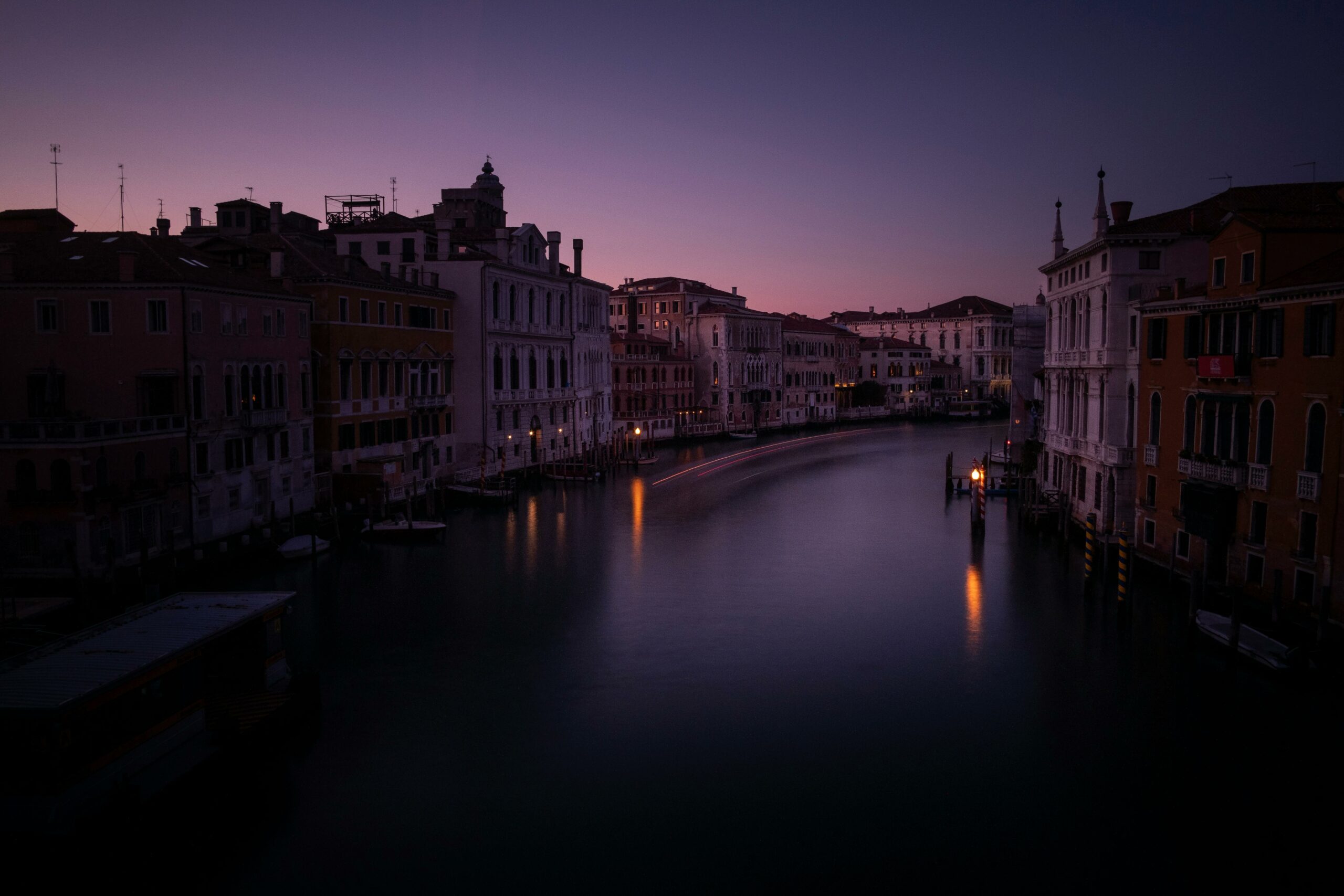 Venice — a city that still rewards the traveller willing to move slowly through it.
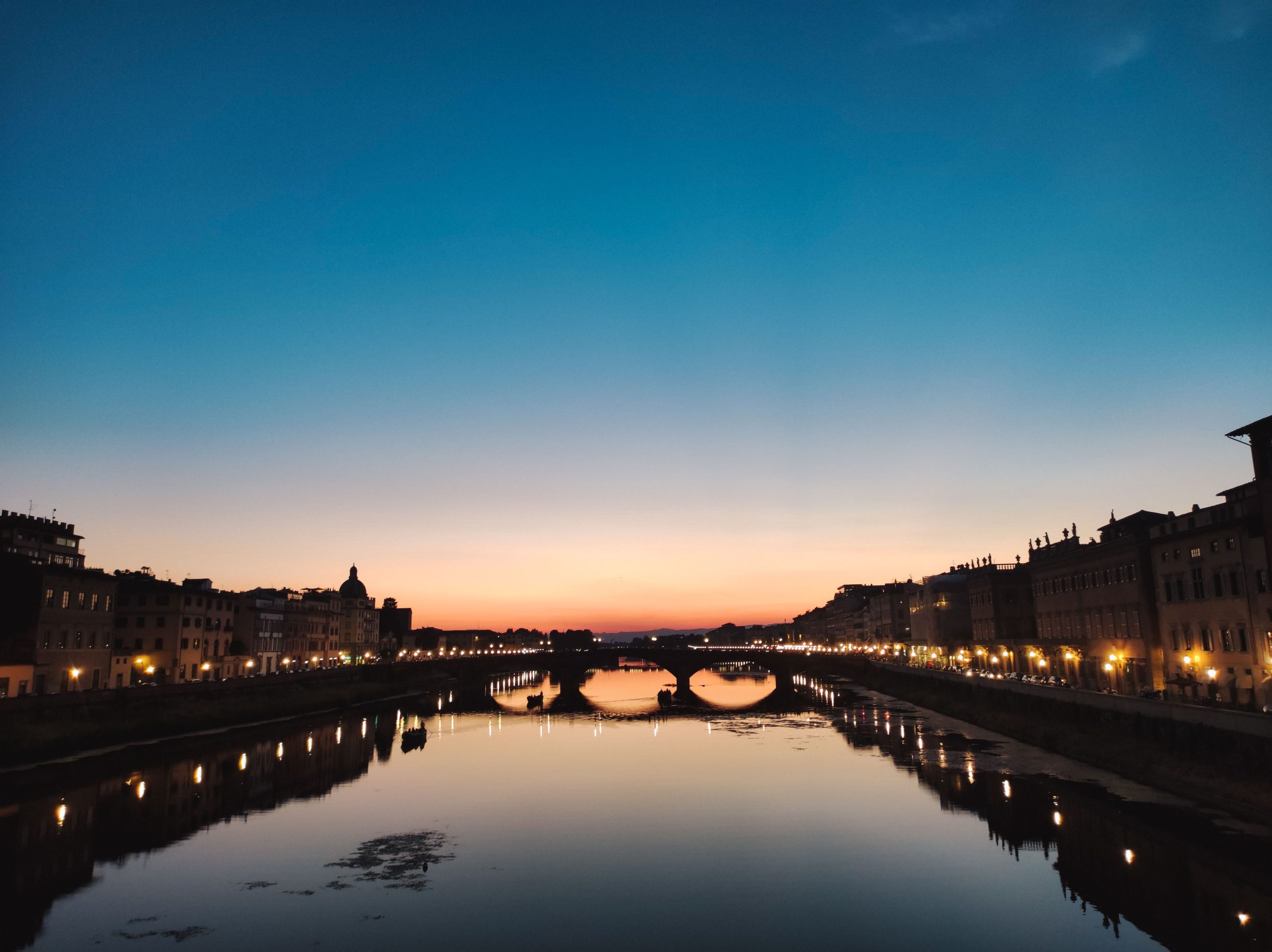 Florence — an open-air museum in the most literal sense.
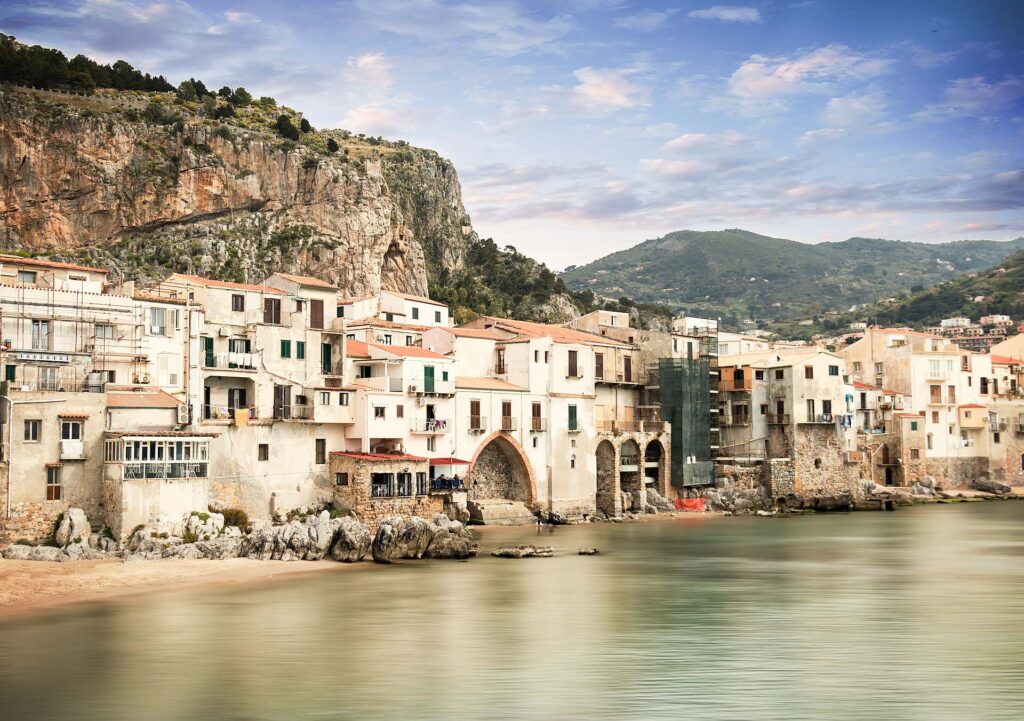 Sicily — the point where the Grand Tour’s ambition ran furthest south.
What the Grand Tour Actually Was
By the end of the seventeenth century, the Grand Tour had become a cultural rite of passage for Europe’s young aristocrats — a training journey with an itinerary built around the sites of Classical and Renaissance culture. Travellers came to gaze upon the ruins of ancient Rome, to study the art and architecture of the Renaissance, and to return home changed by what they had seen. Italy was, therefore, never an incidental stop. It was the destination the entire tour was organised around — rich in the works of art and the remains of ancient civilisation that, for European culture of the time, represented the essence of both the Roman world and the Renaissance that followed it. The writer Dante Alighieri once called it the garden of the empire. Centuries of travellers since have understood exactly what he meant. The Grand Tour was synonymous with wealth and cultural ambition. In many ways, it still is. What has changed is not the destination, but the instrument. Where an eighteenth-century traveller returned home with sketches, letters and souvenirs, most of us now carry a camera — and with it, the same underlying impulse: to hold onto something of what we have seen, and to understand it a little more deeply in the process.
Val d’Orcia, Tuscany — landscape that has drawn travellers south for three hundred years.
The Route — and What It Still Asks of a Traveller
The classic Grand Tour followed a route that, remarkably, still holds up today: north to south, from the water city of Venice, through Rome’s ruins, into Florence’s Renaissance, and on toward Naples and the deeper south. Each stop asked something different of the traveller — and, for a photographer retracing the same path, still does.
First Stop · Northeast Italy
Many Grand Tour travellers began here, and it remains one of the most sensible places to start. Venice is unlike anywhere else — a city that seems to exist somewhere between memory and reflection, unrepeatable in the way its light moves across water and stone. Wander the smaller streets away from the crowds, and it becomes a genuinely dreamlike experience, especially at sunrise or after dark.
Venice is not a city that reveals itself quickly, but it rewards the traveller who moves away from the obvious. For a guided week photographing the city’s fog, reflections and quiet districts, see the Venice Photography Workshop.
Venice — The City on the Water
Venice — a city that still rewards the traveller willing to move slowly through it.
Second Stop · Central Italy
All roads on the Grand Tour eventually led to Rome, and the reason is not hard to understand once you stand in the Forum at dawn. The city is, quite literally, one enormous open-air museum — which makes choosing an itinerary genuinely difficult. It is no surprise the entire historic centre sits on the UNESCO World Heritage List.
The eighteenth-century traveller came here to contemplate the ruins of a civilisation that had shaped their own. That impulse hasn’t dated at all. The Pantheon, still one of the best-preserved structures from Roman times, remains as quietly astonishing today as it was three hundred years ago.
Rome — The Ruins That Started It All
Third Stop · Central Italy
Florence is often called an open-air museum, and it earns the description honestly — the city’s art and history are visible simply by walking its streets, its churches, its palaces. Beyond the centre, Tuscany’s countryside completes the picture: rolling hills, medieval villages, vineyards and ancient abbeys forming a landscape that was, in a real sense, shaped by the Renaissance ideal of beauty itself.
This is Grand Tour territory in its purest form — the place where the movement’s aesthetic values were quite literally written into the land. For a guided week through the region’s light and landscape, see the Tuscany Photography Workshop.
Florence & Tuscany — The Renaissance Made Visible
Photography Workshop · Tuscany
The Tuscany Photography Workshop — Landscape, Light and the Classic Italian Visual Tradition
Six days through Val d’Orcia, Chianti and the Tuscan countryside — the same landscape the Grand Tour helped make famous.
Discover the Tuscany Workshop →
Florence — an open-air museum in the most literal sense.
Final Stops · Southern Italy
The further south the tour travelled, the more ambitious it became. Naples — glorious, a little rough at the edges, watched over by Vesuvius — drew travellers with its vibrancy and its proximity to the ruins of Herculaneum and Pompeii. Further along the coast, the Amalfi Coast and Capri offered a different register entirely: pastel villages stacked against cliffs above a cerulean sea.
Sicily, further still, sat at the very edge of where most tours ever reached — and that is, in some ways, still its appeal. Every civilisation that ever controlled the Mediterranean left something on the island, compressing centuries of history into a single, extraordinary place.
For a guided week photographing the island’s markets, temples and coastlines, see the Sicily Photography Workshop.
Naples, the Amalfi Coast & Sicily — Where the Tour Grew Bold
Sicily — the point where the Grand Tour’s ambition ran furthest south.
Photography Workshop · Sicily
Sicily Photography Workshop — Markets, History and the Visual Intensity of the Island
Seven days across Sicily’s most photogenic environments — landscape, documentary and street photography under the southern Italian sun.
Discover the Sicily Workshop →
Why the Grand Tour Still Matters to a Photographer
I trained in psychology before I picked up a camera seriously, and I have always been drawn to what the Grand Tour actually represents: not a checklist of famous sites, but a belief that a place can genuinely change how you see, if you give it enough time. That belief hasn’t aged. If anything, it matters more now than it did three centuries ago. Modern travel makes it easy to move quickly and see a great deal without truly absorbing any of it. The Grand Tour offers the opposite model — depth over breadth, understanding over collection. A photographer who adopts that same patience, who stays long enough in one square or one street to understand what it actually looks like, tends to come home with work that means something. Everyone else comes home with snapshots.
A Tradition Worth Continuing
The aristocrats of the eighteenth century didn’t travel to collect places. They travelled to be changed by them — and that is still the most useful way to think about a journey through Italy today, camera or no camera.
If you’re planning your own version of the Grand Tour, my suggestion is simple: choose fewer stops, and give each one more time than feels comfortable. Italy has never rewarded the traveller in a hurry, and it isn’t going to start now.
The Grand Tour of Italy — Frequently Asked Questions
What was the Grand Tour of Italy?
The Grand Tour was a cultural education ritual for Europe’s young aristocrats, especially from the seventeenth to the early nineteenth century. It was a training journey through the sites of Classical and Renaissance culture — above all in Italy — meant to complete a young person’s understanding of art, history and taste.
Which cities were the essential stops on the Grand Tour?
Venice, Rome, Florence and Naples formed the core of the traditional Grand Tour route through Italy. Travellers typically entered from the north, spent extended time in each city studying its art and architecture, and often continued south toward Sicily as the tour grew more ambitious over the eighteenth century.
Is a Grand Tour of Italy still possible today?
Yes, in spirit if not in duration. Few travellers today have the months or years that eighteenth-century aristocrats spent on the road, but the same route — Venice, Rome, Florence, Tuscany, Naples and the south — still rewards a slow, attentive traveller, and increasingly, a photographer.
Photography Workshops · Italy
Continue the Journey
Small groups. Individual mentoring in the field. Every workshop guaranteed to run. Write to Raffaele directly — no deposit required to enquire.
View All Photography Workshops


3 Comments