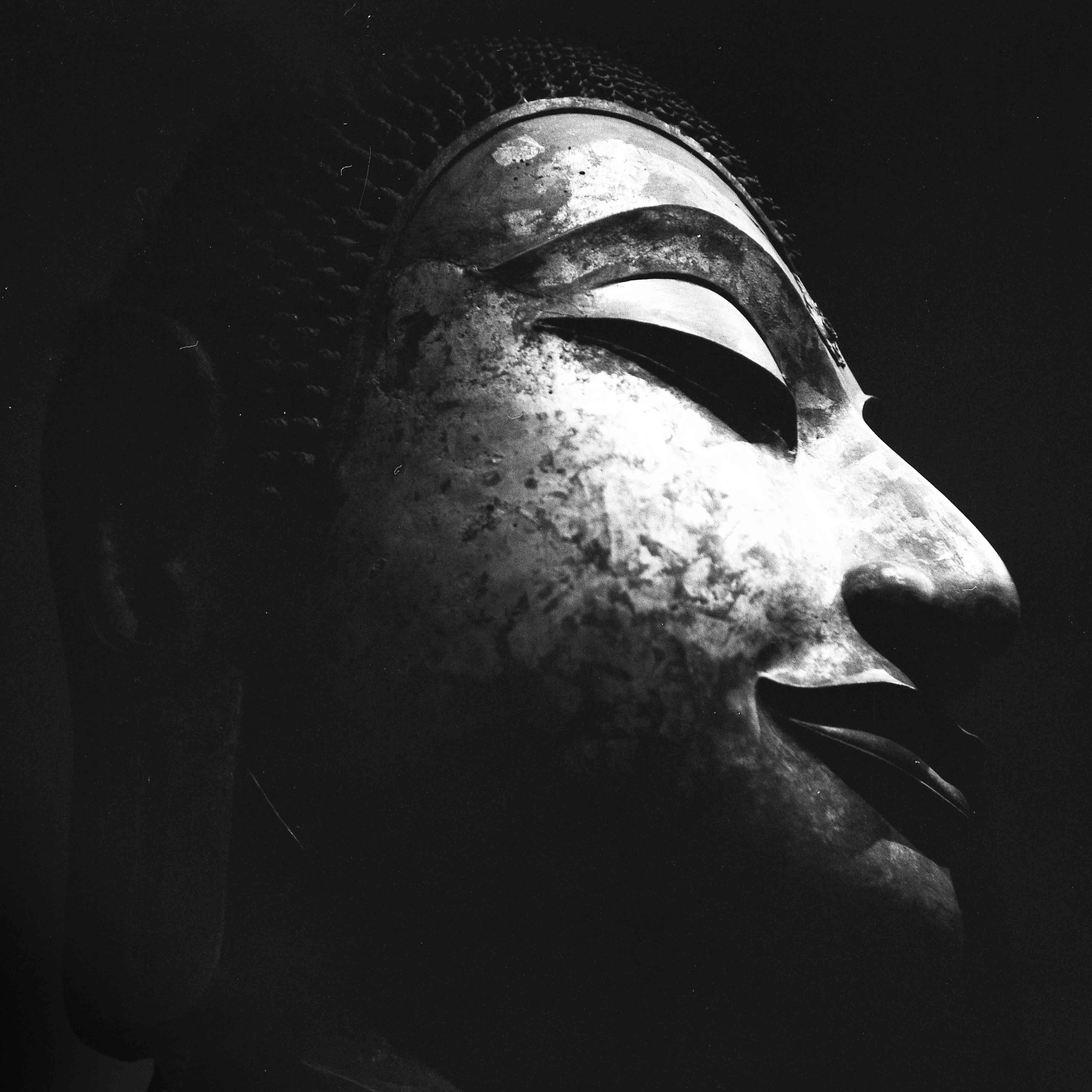
Documentary Photography in Bangkok: How to Photograph Chinatown
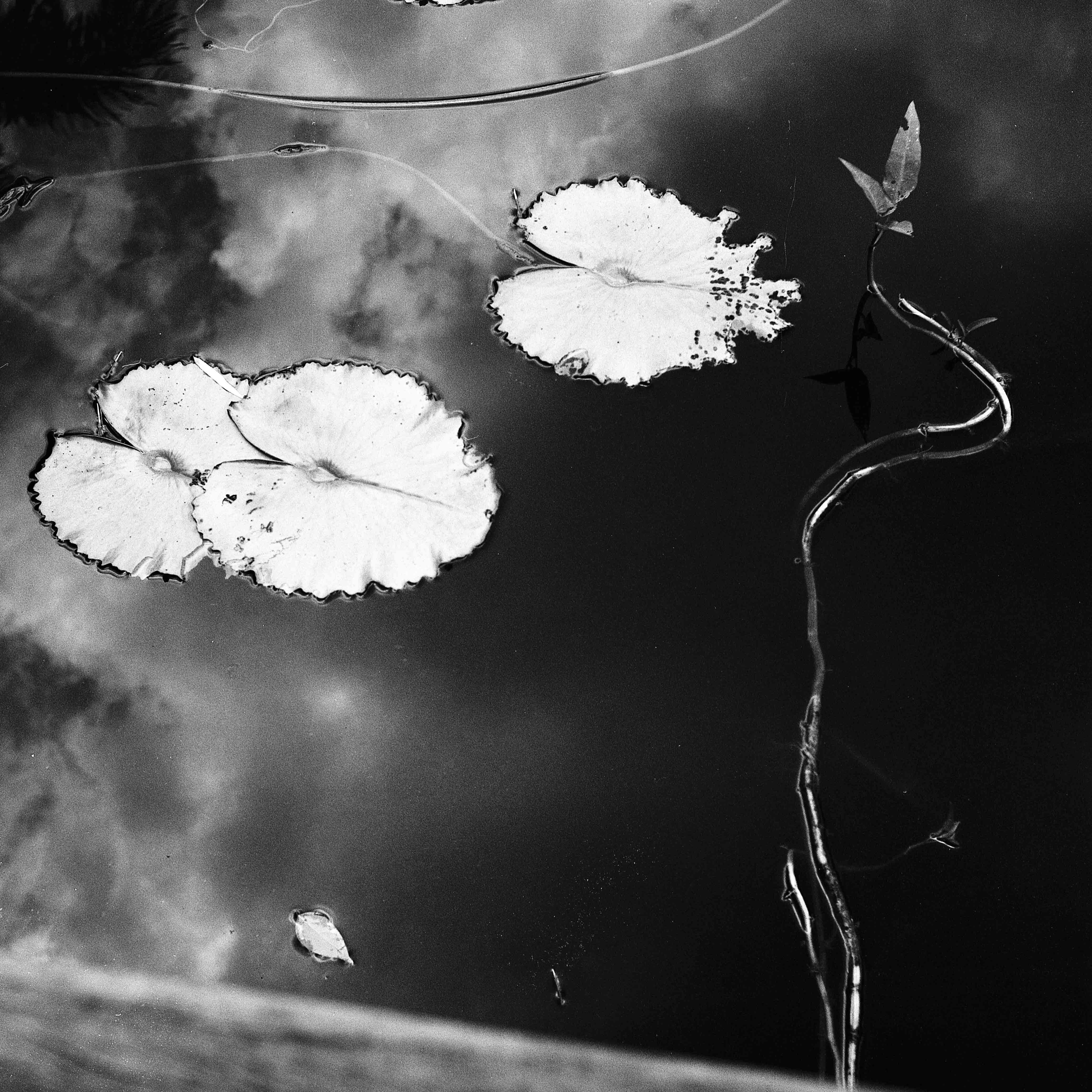
Journal · Bangkok · Documentary Photography
Documentary Photography in Bangkok:
How to Photograph Chinatown with Intention
Most photographers who visit Bangkok spend one afternoon in Chinatown. They walk Yaowarat Road, photograph the gold shops and the street food stalls, eat a bowl of noodles in a lane they will not be able to find again, and leave with a folder of images that look exactly like the folder every other photographer made on the same afternoon.
I have been returning to Bangkok Chinatown for more than ten years. Not one afternoon — ten years, with a camera, in every season, at every hour. And the thing I can tell you with certainty is this: the documentary photography of Yaowarat begins not on the first visit but on the fourth or fifth. It begins when you stop being surprised by the place and start understanding it.
Chinatown Bangkok is not a single photograph. It is a living archive — one that reveals a different layer every time you return, at a different hour, in a different season, with a different quality of attention.
This is not a guide to the best photo spots in Bangkok Chinatown. Those guides already exist and they all produce the same images. This is a guide to photographing Chinatown as a documentary photographer — with patience, with cultural understanding, and with the discipline of returning.
Five days in Bangkok.
Chinatown, the canals, the flower market at 2am.
The documentary photography approach described in this article — applied in the field. Maximum 6 photographers. Individual mentoring. Accommodation included. €3,000.
Discover the Bangkok Workshop →
Why Chinatown Is the Most Demanding Location in Bangkok
Bangkok Chinatown — Yaowarat — is one of the oldest and most visually dense neighbourhoods in Southeast Asia. Established by Chinese immigrants in the late 18th century when Bangkok was founded by Rama I, it has operated on the same commercial rhythms for over two hundred years. The gold shops along Yaowarat Road, the wholesale herb and spice markets in the lanes behind it, the temples, the street food culture that begins before dawn and continues past midnight — all of this has been functioning, more or less continuously, since a time when photography did not exist.
This is precisely what makes it so demanding. The neighbourhood has no interest in being photographed. It is not performing. It is simply operating, as it has always operated, according to its own internal logic. The photographer who arrives hoping for a cooperative subject will be disappointed. The photographer who arrives willing to observe, to wait, and to return will find documentary material of extraordinary depth.
The Light Problem — and Why It Is Actually an Opportunity
Yaowarat Road at midday is photographically almost impossible. The overhead light creates deep shadow under every awning, harsh highlights on every gold surface, and a visual flatness that reduces the extraordinary density of the streetscape to a chaotic mess of competing elements. Most travel photography of Bangkok Chinatown is made in this light, and most of it fails for exactly this reason.
The light that makes Chinatown extraordinary is available in two specific windows. Before dawn, when the wholesale markets are operating at full capacity and the only illumination comes from bare bulbs and occasional neon, the darkness becomes a compositional tool — selecting certain elements and obscuring others, creating the kind of chiaroscuro that documentary photographers have always understood as one of the most powerful visual conditions available. And in the brief window of the late afternoon, when the sun drops low enough to send horizontal light down the east-west lanes of the old neighbourhood, the architecture and the human activity within it suddenly become three-dimensional in a way that midday light cannot produce.
Arrive before the city wakes.
Or arrive in the last hour of horizontal light.
Everything between is preparation.
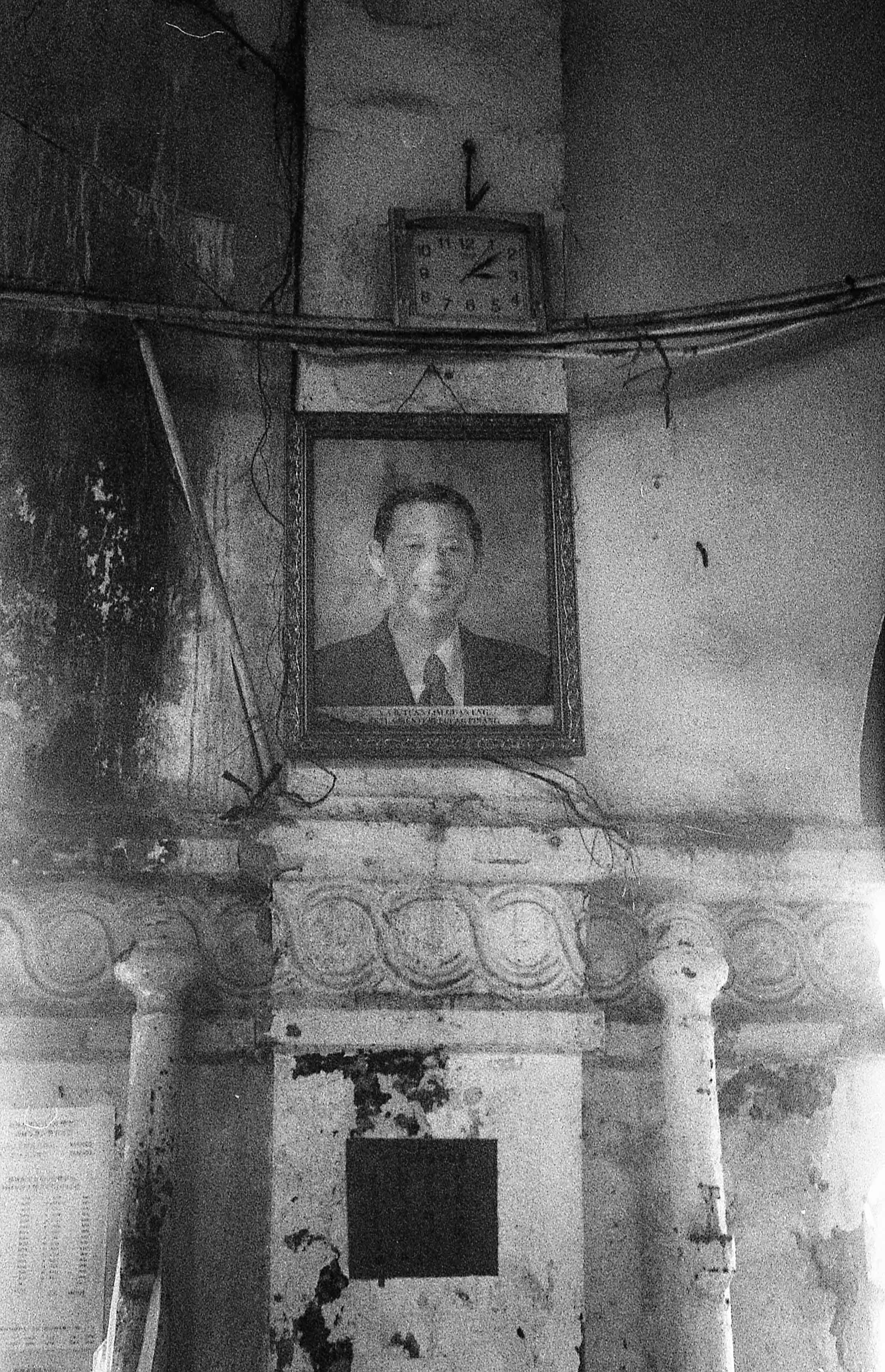
Bangkok, Thailand · © Raffaele Ferrari
The Wholesale Markets — Where Documentary Photography Begins
Behind Yaowarat Road, in the network of lanes that run between the main street and the river, lie the wholesale markets that supply Bangkok’s restaurants, street food vendors and temple flower offerings. These markets operate between 2am and 7am. By 8am they are largely finished. By 9am the lanes look like any other commercial street in Bangkok.
The wholesale flower market at Pak Khlong Talat, technically adjacent to but functionally continuous with Chinatown, begins in earnest at around 2am. The scale of the operation — hundreds of tonnes of fresh flowers moving through the hands of traders before the city has woken — is one of the most visually overwhelming environments I have encountered anywhere in Asia. But it is not immediately legible. On the first visit you see chaos. On the third visit you begin to understand the logic: which traders come at which hour, where the quality buyers are positioned, what the gestures and expressions of a successful negotiation look like compared to an unsuccessful one.
This is the fundamental principle of documentary photography: understanding precedes the image. You cannot photograph what you do not understand.
Talat Noi — The Hidden Quarter
Between the main Chinatown strip and the Chao Phraya River lies Talat Noi — a neighbourhood so old and so compressed that its lanes are barely wide enough for a single person with a camera bag. The Portuguese were here before the Chinese. The Hokkien merchants came later. The tin-roofed workshops, the family shrines built into the walls of buildings, the mechanics and metalworkers who have occupied the same addresses for three generations — Talat Noi is the layer of Bangkok Chinatown that no single afternoon can access.
I have been photographing Talat Noi for years and I am still discovering it. A shrine courtyard I had passed a hundred times that opens, on the day of a specific festival, into a space of extraordinary ritual activity. A workshop where an old man has been repairing the same type of industrial sewing machine since the 1970s. The particular quality of light in the late afternoon on the corrugated iron roofs of the lanes, when the reflected heat makes everything shimmer slightly and the shadows are deep blue.
This is the neighbourhood where my friend and colleague Jack Picone has built one of the most sustained documentary bodies of work in Bangkok. Picone — an internationally recognised documentary photographer and photojournalist based in Bangkok, whose work has appeared in Time, Newsweek, National Geographic and GEO — has been photographing the city for decades. His Bangkok Chinatown series demonstrates precisely what long-term engagement with a single neighbourhood can produce: not travel photography but visual anthropology. For anyone serious about documentary photography in Asia, his work is essential reference.
Documentary photography is not about being in the right place at the right time. It is about being in the right place enough times that you begin to understand what the right time actually looks like.
On the discipline of returning
The Temples — Sacred Architecture and Daily Ritual
Chinatown Bangkok contains more than thirty Chinese temples in an area of less than two square kilometres. The most photographed is Wat Mangkon Kamalawat — the Dragon Lotus Temple on Charoen Krung Road — which draws large numbers of worshippers and, consequently, large numbers of photographers. The images it produces are predictable for exactly that reason.
The temples worth photographing in Chinatown are the smaller ones — the family shrines and community temples tucked into the lanes behind the main streets, where the daily ritual of incense offering, food placement and prayer happens without any awareness of being observed. These temples operate on a rhythm determined by the Chinese lunar calendar, and understanding that calendar — knowing which days draw the most worshippers, which festivals fill which temples with which activities — is the difference between documentary photography and tourism photography.
The Vegetarian Festival in October, when the Chinese-Thai community observes nine days of ritual purification, transforms Chinatown into one of the most visually extraordinary events in Southeast Asia. The white-robed worshippers, the street shrines, the ritual processions — this is documentary photography material of a completely different order from the ordinary daily life of the neighbourhood. But it rewards only the photographer who has spent time in the ordinary before attempting to photograph the extraordinary.
Dawn on Yaowarat Road — The Empty Hour
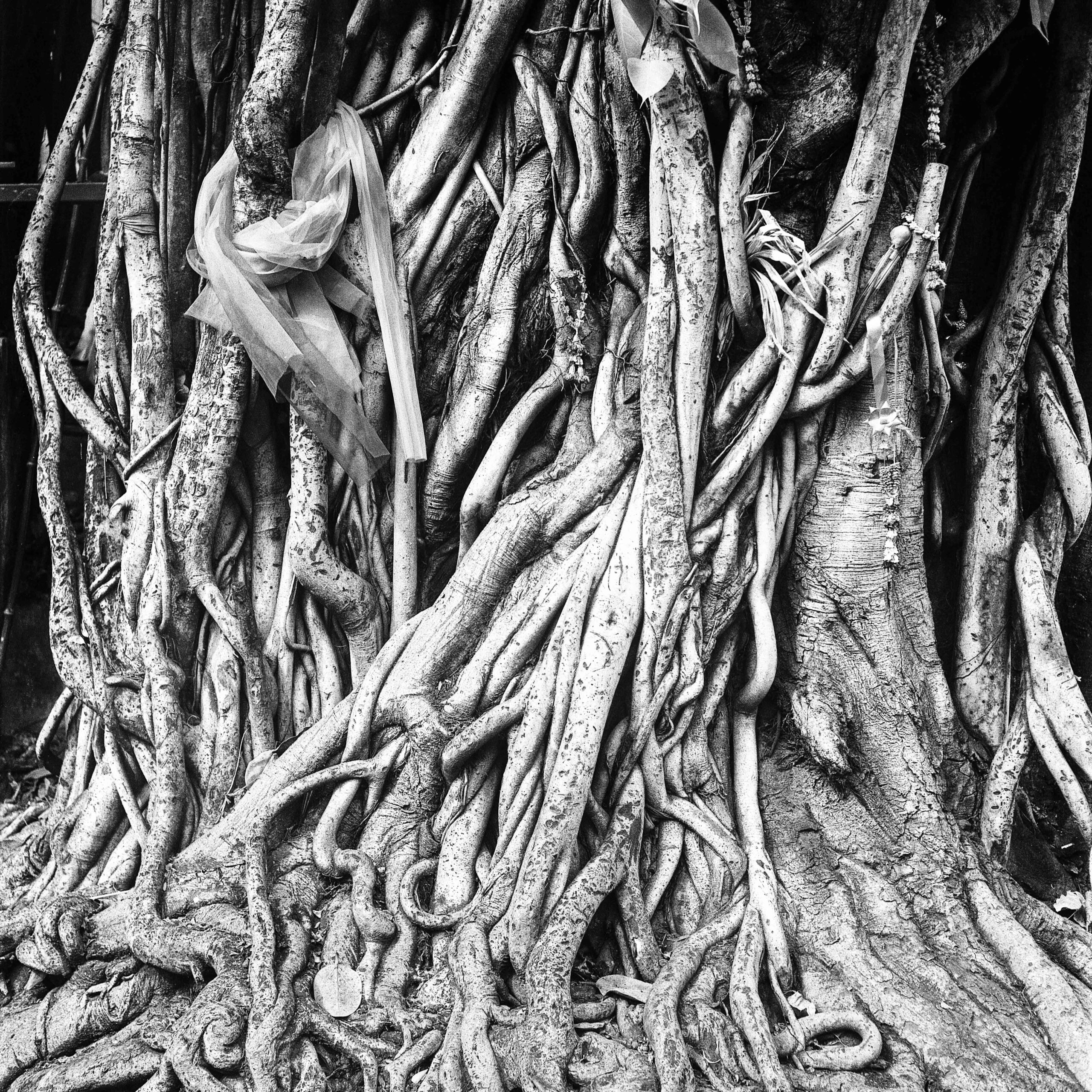
Yaowarat Road, Bangkok · © Raffaele Ferrari
There is one hour in Bangkok Chinatown that almost no photographer has made seriously — the hour between 5am and 6am, when the wholesale markets are finishing and the day has not yet begun. The neon signs of Yaowarat Road — the gold dealers, the restaurants, the pharmacies — are still illuminated. The street is almost empty. The delivery motorcycles are making their last runs. Occasionally a monk from one of the nearby temples walks through in orange robes, collecting alms from the few food vendors already setting up for the morning.
This is the transition moment — between the night economy and the day economy, between the wholesale city and the retail city. It lasts perhaps forty minutes. The light during this window is a combination of the artificial neon and the first grey of dawn, and it produces a quality that exists at no other hour. It requires being there before it arrives.
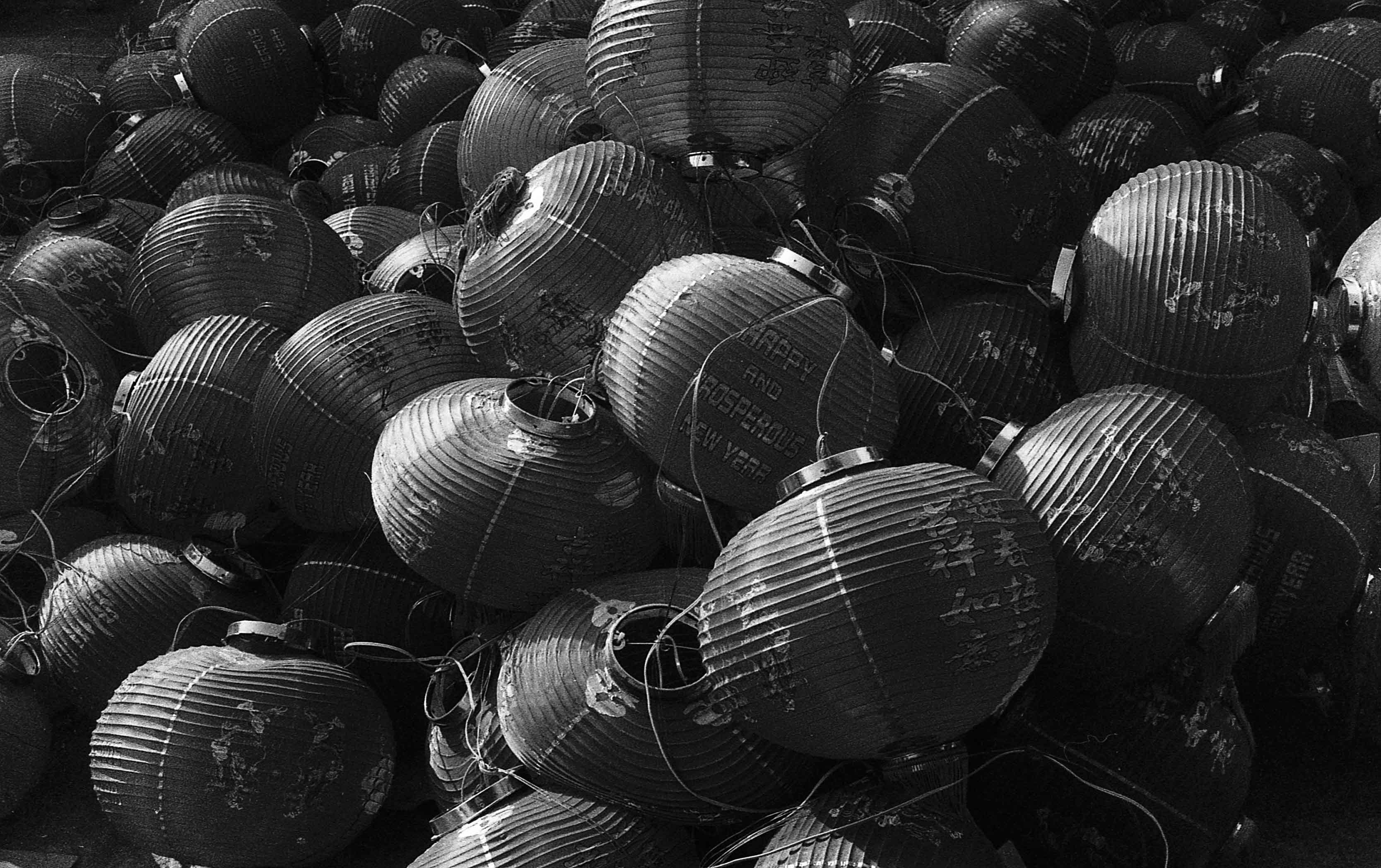
Bangkok, Thailand · © Raffaele Ferrari
The Discipline of Returning — Why One Visit Is Never Enough
The photographers who produce the strongest documentary work in Bangkok Chinatown share one characteristic: they have all been there many times. Not many different places in Bangkok — many times in the same neighbourhood. Picone has been returning to these lanes for years. Eugene Richards worked the same block in Brooklyn for a decade. Salgado spent months in the Serra Pelada gold mine before he made the images that defined it.
This is not a romantic position. It is a practical one. Every location has layers that are invisible on the first visit. The family shrine that appears to be abandoned is actually cleaned and refreshed every Thursday morning. The old man sitting in the doorway of the dried goods shop is there every day at the same hour, and on the third visit he will acknowledge your presence with a nod that, by the fifth visit, has become permission to photograph. The lane that seemed too dark to work in on the first afternoon catches the light in a specific way in November that it does not in April.
These things cannot be discovered on a single afternoon. They accumulate through time and attention and genuine curiosity about the place rather than about the images it might produce.
The best documentary photographers are essentially anthropologists with cameras. They study a community before they photograph it, they return until they understand it, and they make images only when they know enough to make something that communicates rather than simply records.
A Practical Approach for Photographers Visiting Bangkok
If you have five days in Bangkok — which is what the Soul of Thailand workshop gives you — this is how I would structure the documentary photography of Chinatown.
Day one: no camera. Walk Yaowarat Road at different hours. Walk the lanes behind it. Find the wholesale markets. Locate the temples. Understand the geography before you begin to photograph it. This day is not wasted — it is the foundation of everything that follows.
Day two: the wholesale market at pre-dawn. Arrive at the flower market at 2am. Spend three hours there without a specific agenda — just working the available light and the human activity, making mistakes, beginning to understand the rhythm. Do not expect strong images. Expect understanding.
Day three: return to what you found. The specific lane, the specific trader, the specific quality of light that you noticed on day two and did not know how to use. Return to it with the understanding that the first visit gave you. This is where the documentary photography begins.
Day four: the temples and the ritual. The small temples in the lanes. The morning offerings. The particular character of devotional light in a Thai-Chinese temple — the incense smoke, the candle flame, the orange of the offerings against the dark interior. This requires patience and respect and a willingness to be present without being intrusive.
Day five: the transition hour. 5am on Yaowarat Road. The neon and the first light of dawn. The city between its night and its day. The images that this hour produces are available only to the photographer who has been in the neighbourhood long enough to know that this hour exists and what it looks like when it arrives.
Five days in Bangkok.
Then Angkor. Then the portfolio.
The documentary approach described in this article is the foundation of the Soul of Thailand workshop. Flower market at 2am, Chinatown at dawn, canal communities, monks, Angkor at sunrise. Maximum 6 photographers. Accommodation included. €3,000.
Discover the Soul of Thailand →
Continue reading:
Thailand Photography Guide ·
Soul of Thailand Workshop — Bangkok & Cambodia ·
Stories of Vietnam Workshop ·
Kerala Photography Workshop ·
Why Small Group Photography Workshops
External reference: Jack Picone — Bangkok Chinatown documentary photography


One Comment