Thailand Photography an essential guide
Journal · Thailand · Travel Photography
Thailand Photography:
Where the Street Photographs You
Thailand does not wait for you to be ready.
It moves. It accelerates. It places extraordinary visual material directly in front of you and gives you approximately three seconds to decide what to do with it.
I have been returning to this country for more than twenty years. Each time I think I understand it. Each time it shows me something I have not seen before.
Thailand is not a destination you photograph. It is a place that photographs you.
What follows is not a list of tourist attractions with camera tips appended. It is an honest account of how I approach this country visually — the places that reward patience, the moments that cannot be planned, and the discipline required to work here well.
Bangkok, Ayutthaya & Cambodia.
January 20–30, 2027.
Ten days. Maximum 6 photographers. Bangkok street photography, ancient temples, Cambodian light at dawn. Led by a visual artist with 20+ years in Southeast Asia.
Discover the Workshop →
Thailand Photography: The First Principle
Most photographers arrive in Thailand with a list. Temples. Markets. Hill tribes. Floating villages. They move quickly, checking locations off the itinerary, and return home with technically correct images that look exactly like every other set of technically correct images made in the same places.
The first principle I teach in Southeast Asia is this: reduce the list, extend the time.
Thailand is vast. It is complex. Its visual register changes completely between north and south, between city and coast, between the Buddhist calm of its temples and the kinetic energy of its streets. You cannot photograph all of it. No one can.
Choose fewer places.
Stay longer.
Observe before you shoot.
This is not a philosophical position. It is a practical one. The images that emerge from thirty minutes of stillness in one location are consistently stronger than those made in thirty minutes of movement across three.
Photography Bangkok: The City as Visual System
Siam Square & the New City — Reading Vertical Light
Bangkok is not a beautiful city in the conventional sense. Its beauty is not architectural. It is atmospheric — created by the collision of scale, density, light and human energy that occurs in very few places on earth.
The new districts — Siam Square, Silom, Sukhumvit — reward photographers who understand vertical light. The towers compress the sky. The streets below exist in permanent partial shadow, punctuated by shafts of tropical sun that last minutes, sometimes seconds. The challenge is not to find the right place. It is to be in the right place at the right moment and to have already decided, before the light arrives, exactly what you want to do with it.
For rooftop perspectives, the views from elevated bars and hotel terraces across the cityscape offer compression and scale that no street-level position can replicate. Always check access restrictions before arriving with a tripod.
The Old City & Wat Pho — Sacred Geometry at Dawn
The temples of the old city are at their most extraordinary in the hour before the tourist coaches arrive. Wat Pho, Wat Arun across the river, the Grand Palace complex — all demand a pre-dawn arrival and a willingness to wait inside the silence before the day begins.
The light at dawn on Bangkok’s temple spires is not soft. It is direct, orange, briefly horizontal. It lasts perhaps twenty minutes. The preparation required to use those twenty minutes well is what distinguishes a strong photograph from a documentary record.
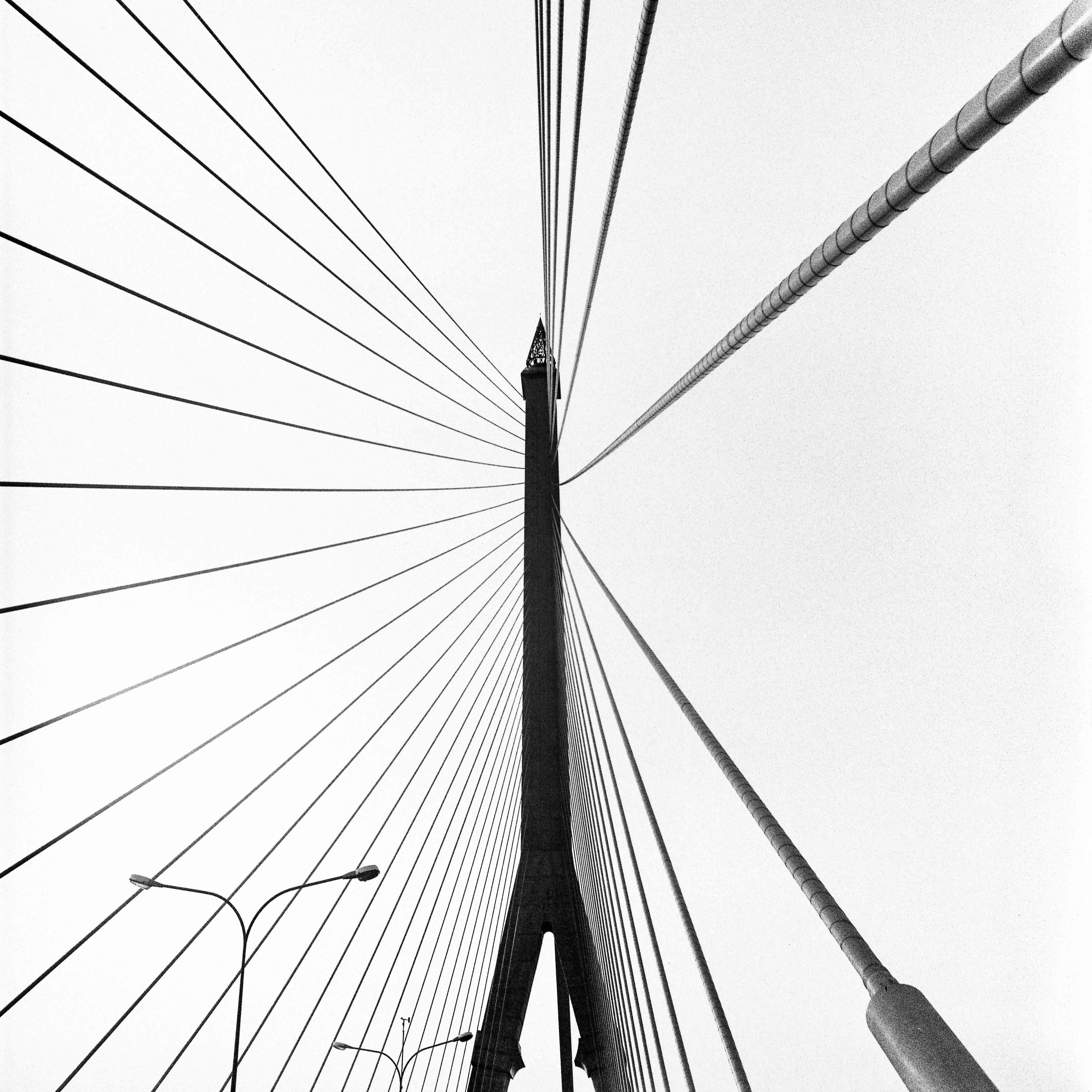
Bangkok, Thailand · © Raffaele Ferrari
Street Food Markets — The Anthropology of the Frame
Bangkok’s street food markets are among the richest documentary photography environments in Asia. The colour, the light, the human activity — all of it is visually extraordinary. All of it has also been photographed thousands of times.
The question is not whether to photograph the markets. It is how to find, within them, an image that belongs to you rather than to the collective archive of Thailand travel photography.
My approach: arrive before the market is fully set up. Photograph the preparation, not the performance. The vendor arranging the vegetables at 5am is not posing. The light on the produce before the sun is fully up is not competing with the tourist aesthetic. These are the moments worth waiting for.
Photography Ayutthaya: Ancient Capital & Archaeological Light
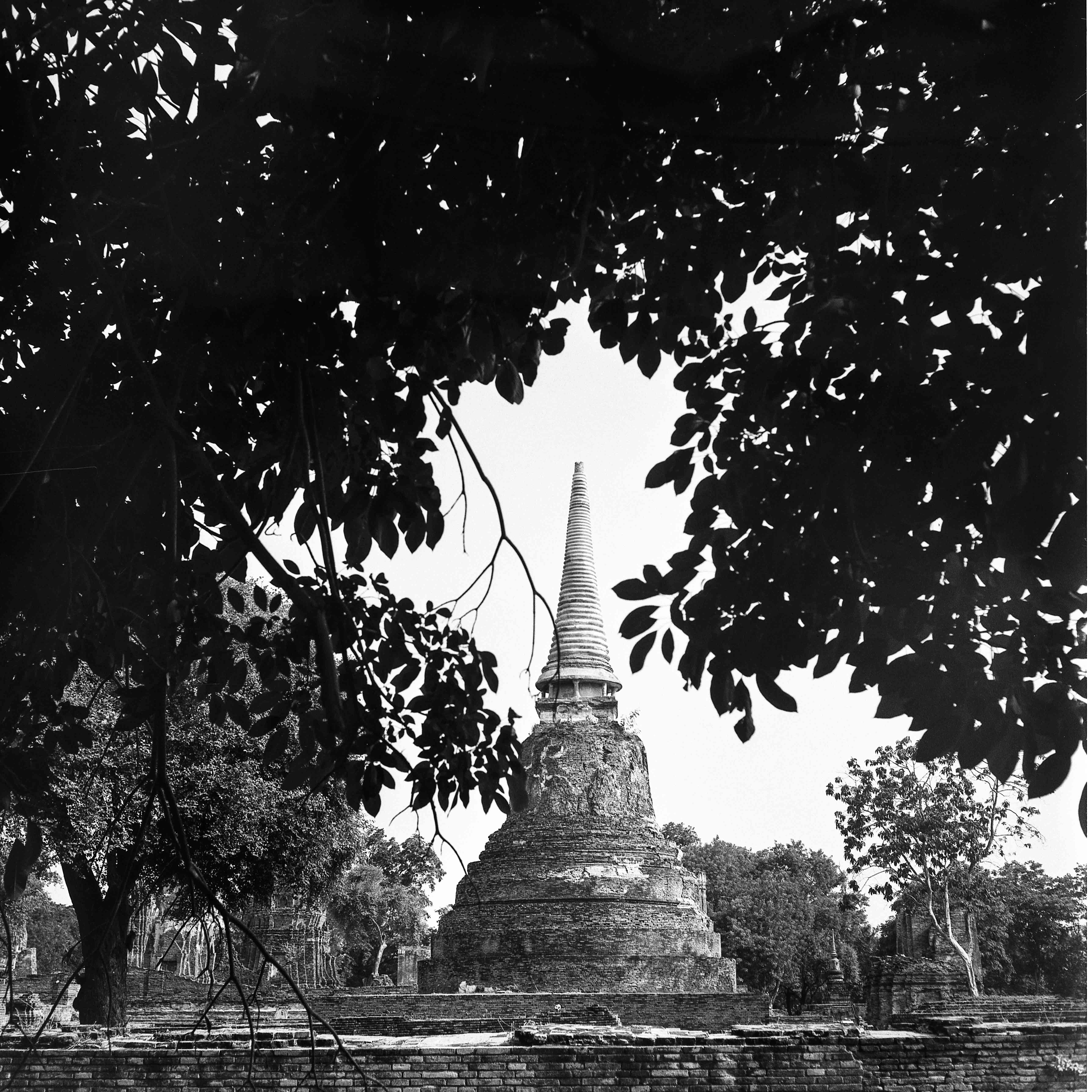
Ayutthaya is one hour from Bangkok. It was the capital of the Kingdom of Siam for four centuries, until it was sacked and burned by the Burmese army in 1767. What remains is one of the most photogenic archaeological landscapes in Southeast Asia.
The temples here are ruins — genuinely ruined, not restored. Prang towers rising from tall grass, headless Buddha statues, laterite walls being slowly reclaimed by the jungle. The visual register is completely different from Bangkok.
No crowds at dawn.
Long horizontal light.
Stone and silence.
The most productive approach to photographing Ayutthaya is to choose three locations for the day rather than attempting to cover all seventeen major temple complexes. Wat Mahathat — where the Buddha head is entwined in tree roots — is the most photographed location. Go at opening time, before the light is overhead. Then move to Wat Phra Si Sanphet for architectural geometry. End the day at Wat Chaiwatthanaram for golden hour on the riverside prangs.
A wide angle lens is essential in the temple interiors. A longer telephoto for compression across the river at dusk. A monopod rather than a tripod for flexibility in the confined archaeological spaces.
Ayutthaya, Thailand · © Raffaele Ferrari
Photography Sukhothai: The First Kingdom & the Geometry of Calm
Sukhothai is further — six hours north of Bangkok by train. Most visitors on a tight schedule skip it. This is a mistake.
The historical park at Sukhothai is less crowded than Ayutthaya, better preserved in some sections, and — crucially for photographers — oriented around a central lotus pond that creates reflection opportunities at dawn and dusk that Ayutthaya cannot match.
The name Sukhothai translates as “Dawn of Happiness.” Arrive at dawn. The name is accurate.
The temples here were constructed between the 13th and 15th centuries, during the first flowering of Thai culture and Buddhist art. The aesthetic is more refined and more geometric than the later Ayutthaya style. For photographers drawn to clean line, symmetry and the relationship between architecture and water, Sukhothai is one of the finest locations in all of Thailand.
Photograph Songkhla & the South: Where Tourists Do Not Go
The south of Thailand, past the tourist infrastructure of Koh Samui and Phuket, is a different country entirely.
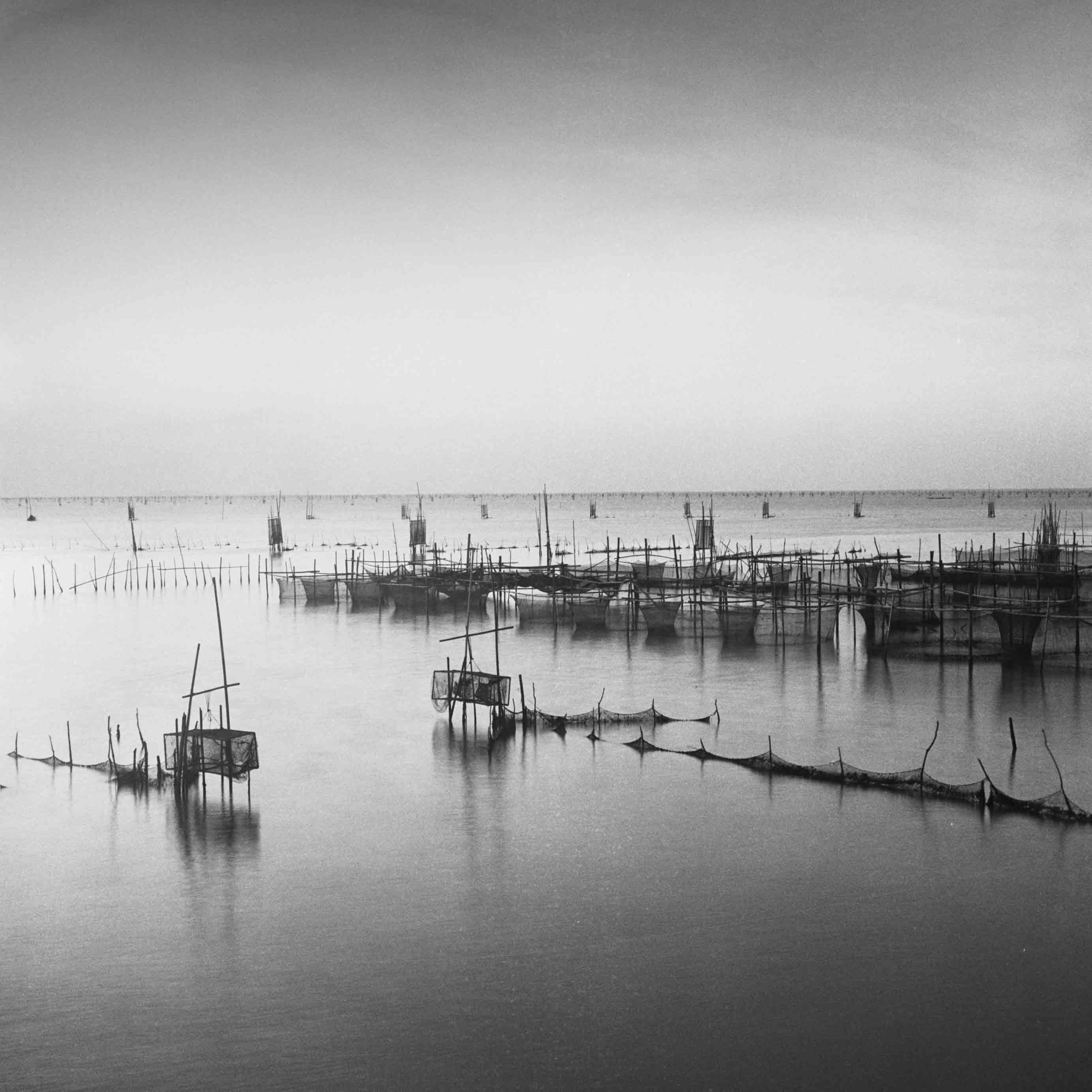
Songkhla — almost 1,000 kilometres from Bangkok, near the Malaysian border — is one of the most underrated photography locations in Southeast Asia. A city surrounded by water on three sides: the South China Sea to the east, Songkhla Lake to the west. The architecture reflects centuries of Malay and Srivijayan influence. The fishing community that works the lake is entirely outside the tourist circuit.
If you want to photograph Thailand as it exists rather than Thailand as it is marketed to foreign visitors, Songkhla is one of the honest answers.
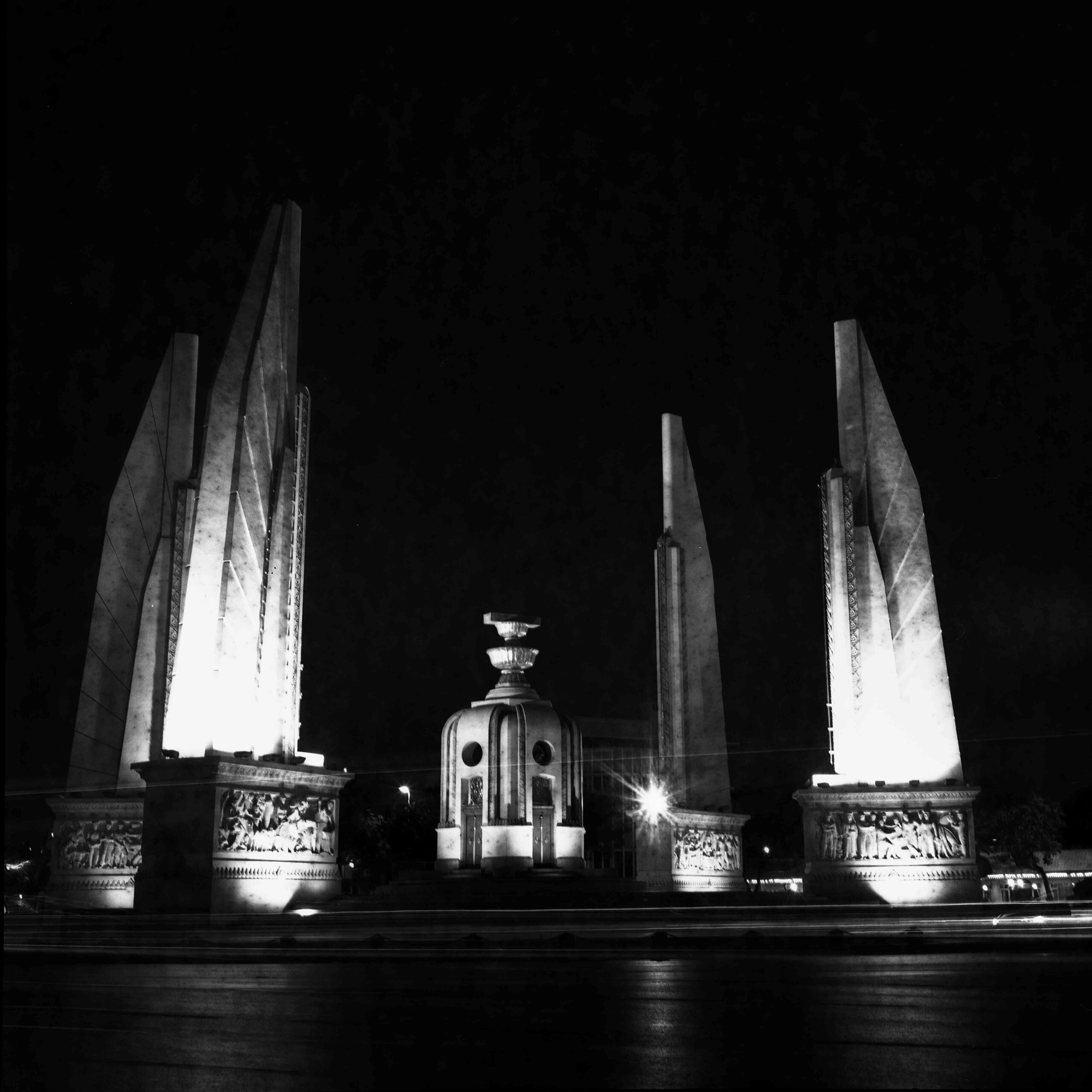
Songkhla, Southern Thailand · © Raffaele Ferrari
The Ethnic Minorities of Northern Thailand: Patience & Responsibility
The mountain regions north of Chiang Mai remain home to numerous ethnic minority communities — Karen, Hmong, Akha, Lisu — whose visual cultures, textiles and daily practices offer extraordinary documentary photography material.
I approach this subject with more caution than any other in my work. These communities have been heavily commercialised in certain tourist circuits. The “long neck village” experiences available around Chiang Rai are performances arranged for tourist photography, not authentic encounters. I do not participate in them and do not recommend them.
Genuine access — to communities that maintain their cultural practices outside the tourist infrastructure — requires time, local relationships and a genuine commitment to responsible documentary photography. It cannot be arranged in an afternoon. When it is possible, it produces some of the most meaningful images available anywhere in Southeast Asia.
Photograph people as you would want to be photographed. Ask. Wait for permission. Respect refusal.
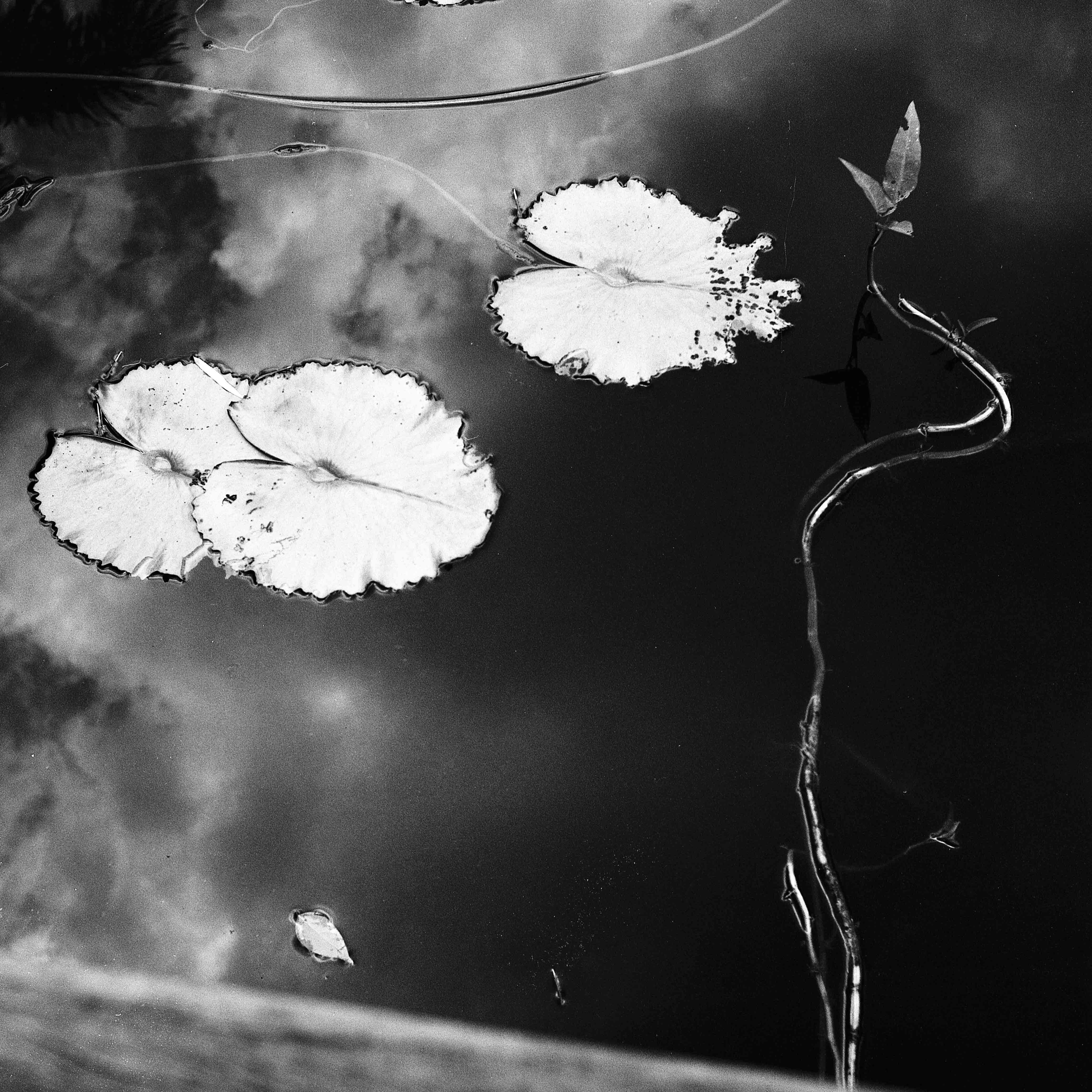
Northern Thailand · © Raffaele Ferrari
When to Photograph Thailand: Light, Season & Timing
The high season in Thailand runs from October to December — dry, cooler temperatures in the north, clear skies, manageable crowds compared to peak European summer travel.
January and February extend the dry season with excellent light conditions across most of the country. This is why the Soul of Thailand workshop departs January 20 — the light in Bangkok and Cambodia at this time of year is among the most consistent available in Southeast Asia.
May to November brings the southwest monsoon — heavy rain, dramatic cloud formations, and the kind of atmospheric conditions that produce extraordinary landscape photography if you are willing to work in the rain. The south operates on a different monsoon cycle; conditions vary significantly between the Gulf of Thailand coast and the Andaman Sea coast.
For urban and documentary photography — Bangkok, markets, temples — the season matters less than the hour. Pre-dawn arrival eliminates crowds. The light at 6am in Bangkok is extraordinary regardless of the calendar month.
Equipment: What to Bring to Thailand
This is a country that rewards a light, mobile setup over heavy professional equipment.
A wide angle (24mm equivalent or wider) for temples, markets and street environments. A 35mm or 50mm as your primary lens for documentary and human presence work. A short telephoto (85–135mm) for compression in the city and portrait work at respectful distance from subjects.
A tripod is useful but often impractical in Bangkok’s crowded streets — a monopod gives stability for slow shutter work without blocking pedestrian flow. For temple photography, always confirm whether tripods are permitted before setting up.
If you shoot film: Bangkok has several excellent labs and camera shops. I have developed film successfully in the city many times. Bring more than you think you need — the visual material Thailand offers tends to accelerate consumption.
Protect everything from humidity. A silica gel sachet in every bag, every night. The combination of tropical heat and air conditioning creates condensation that damages optics more than the weather itself.
Twenty years of visual research in Southeast Asia.
Ten days. Six photographers. One departure.
Bangkok street photography at dawn, Ayutthaya archaeological light, Cambodian temples and the slow rhythm of the Mekong. Maximum 6 participants. Accommodation included.
Discover the Soul of Thailand Workshop →
Thailand is one chapter in a longer journey through Southeast Asia. Read my complete guide to
photographing Vietnam
— from the rice terraces of Sapa to the fishing villages of the central coast.
For those continuing south, the
Angkor Wat photography guide
covers the most important archaeological photography location in the region.
Specific guides: Photography Bangkok
· Photography Ayutthaya
· Photography Sukhothai
· Photograph Songkhla.


12 Comments