Photography Bangkok: A Visual Artist’s Guide
Journal · Bangkok · Photography Guide
Photography Bangkok:
A Visual Artist’s Guide to the City That Never Performs
Bangkok has been one of the most important cities in my photographic life for more than twenty years. I have returned to it every winter, approached it from different angles in different seasons, and it has never once failed to offer material that I did not expect.
What makes Bangkok extraordinary for a documentary photographer is not what most guides will tell you. It is not the temples, though the temples are extraordinary. It is not Chinatown, though Chinatown is one of the finest documentary photography environments in Asia. It is the density — the sheer concentration of visual material, human life and cultural contrast packed into a metropolitan area that has been operating at full intensity for two and a half centuries without pause.
Bangkok does not perform for the camera. It simply continues being itself — and that indifference is the most valuable thing a documentary photographer can find anywhere.
This is not a guide to the most Instagrammable spots in Bangkok. Those guides exist in thousands and produce the same images. This is a guide to photographing Bangkok seriously — the hours that matter, the neighbourhoods that reward sustained attention, and the approach that produces images beyond the standard travel photography archive.
Five days in Bangkok.
The flower market at 2am. The canals. The temples at dawn.
The documentary approach described in this guide — applied in the field. Maximum 6 photographers. Individual mentoring. Accommodation included. €3,000.
Discover the Bangkok Workshop →
How to Think About Photography Bangkok
Bangkok is five cities operating simultaneously in the same space. There is the Buddhist city of the temples and the monks — ancient, ceremonial, operating on the rhythm of the lunar calendar. There is the Chinese city of Yaowarat and the canal communities of Thonburi — commercial, kinetic, indifferent to the tourism economy that has reorganised other parts of the city. There is the colonial and international city of the riverside hotels and the grand institutions. There is the new city of the Skytrain corridors and the shopping malls. And there is the water city — the network of klongs and the Chao Phraya River — which predates all the others and still carries a significant portion of the city’s daily life.
The photographer who tries to cover all five in a week comes home with a folder of competent record photographs. The photographer who chooses two and stays long enough to understand them comes home with something worth looking at.
My consistent advice to photographers I work with in Bangkok: choose fewer places, return more often, and resist the itinerary that prioritises coverage over depth.
The Pre-Dawn Hours — Where Bangkok Photography Begins
The Flower Market at Pak Khlong Talat — 2am to 5am
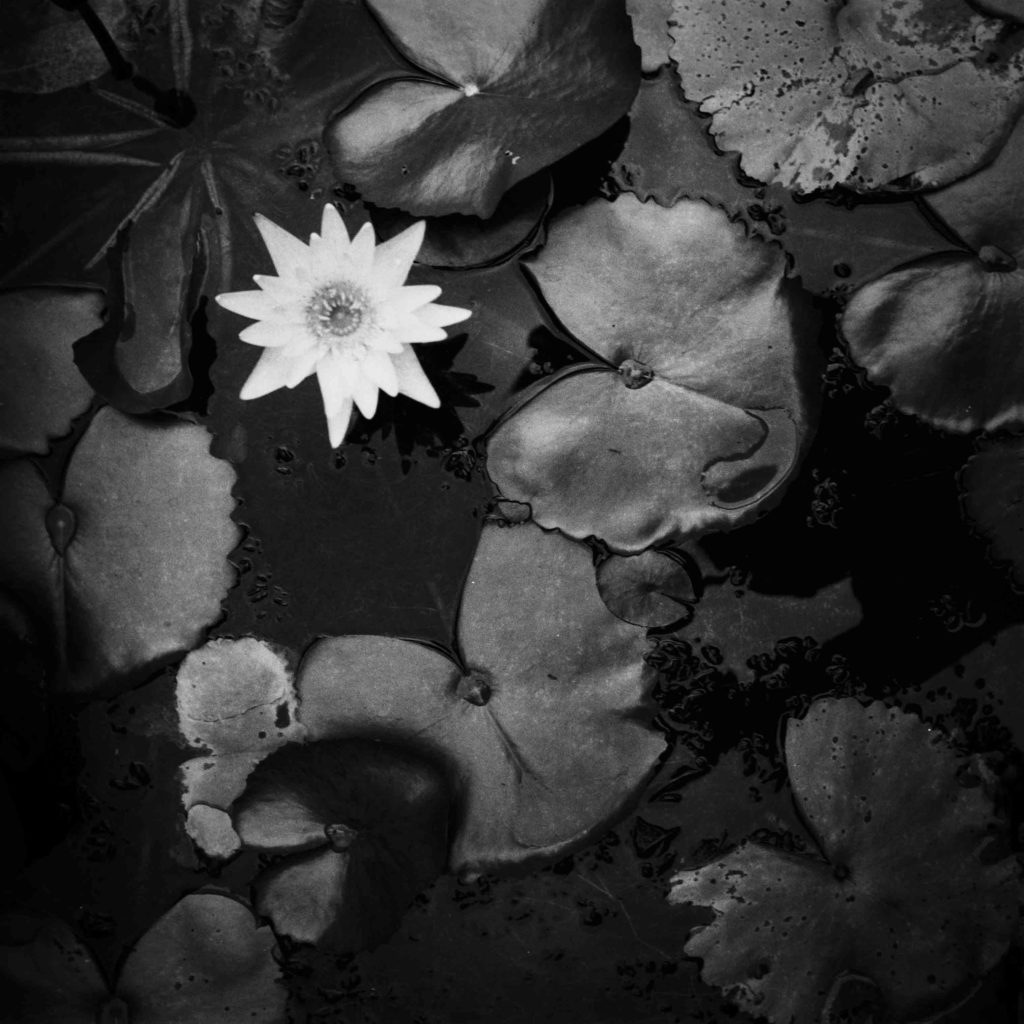
The wholesale flower market at Pak Khlong Talat, on the Chao Phraya waterfront near the Memorial Bridge, operates through the night and reaches its peak activity between 2am and 5am. The scale of the operation — hundreds of tonnes of fresh flowers, orchids, marigolds, lotus and jasmine moving through the hands of traders before the city has woken — is one of the most visually overwhelming environments I have encountered anywhere in Southeast Asia.
The light at this hour is artificial — bare bulbs, the occasional fluorescent strip — and it illuminates the flowers from below at angles that no daylight can replicate. The colours are extraordinary. The human activity is completely indifferent to being observed. The noise, the smell, the physical density of the space — all of it demands a different kind of photography than the composed, considered approach that works in the temples or the canals. Here you work quickly, at close range, with a fast prime and high ISO, and you accept that most frames will fail in order to get the ones that do not.
First visit: expect to be overwhelmed and make almost nothing usable. Second visit: begin to understand the layout, the rhythm, the traders who arrive at which hour. Third visit: make the images you came for.
The Monk Walk — 5am to 7am
Across Bangkok, in the hour before and after dawn, the monks of the city’s thousands of Buddhist temples walk the streets collecting alms from the residents who wait for them with prepared offerings of food. This practice — tak bat — is one of the most photographically compelling daily rituals in any city in the world. The orange of the robes against the grey pre-dawn streets, the deliberate pace of the monks, the particular quality of the first light on the pavements — the monk walk is a subject that rewards sustained attention and respectful distance.
The approach that works: be in position before the monks arrive. Do not follow them in a group. Do not stand directly in front of them to photograph. Find a position that allows you to work at an oblique angle to the procession, with the light arriving from behind you or from the side. The monks and the devotees making offerings are engaged in a religious act, not a photographic subject — treating them as such is both ethically correct and practically more productive, since the photographs made with genuine respect are consistently stronger than those made with a telephoto from across the street.
Bangkok, Thailand · © Raffaele Ferrari
The Temples — How to Photograph What Has Already Been Photographed
The Grand Palace complex, Wat Pho, Wat Arun, Wat Suthat — these are among the most photographed architectural subjects in Asia. The challenge they present is the same challenge that any over-photographed subject presents: the canonical image already exists and exists in millions of versions. Making something original requires either a genuinely new position or a genuinely new subject within the familiar environment.
Wat Arun — The Temple of Dawn
Wat Arun on the western bank of the Chao Phraya is most photographed from the eastern bank, at sunset, as a silhouette against the orange sky. This is the canonical image and it is a strong one. The less-photographed version of Wat Arun is seen at close range — the surface of the prangs covered in fragments of Chinese porcelain, the detail of the decoration at the level of the hand rather than the eye of a camera across the river. The porcelain surface catches the morning light from the east in a way that the sunset image entirely misses.
Photographing Wat Arun at close range requires visiting early, before the tourist boats have begun their circuits of the river. Take the cross-river ferry from Tha Tien pier — it operates from early morning — and walk the temple perimeter before the main entrance opens to the tourist groups.
Wat Pho — The Reclining Buddha and the Quiet Courtyards
Wat Pho contains the famous Reclining Buddha — 46 metres long, covered in gold leaf — but the photography challenge it presents is one of the most difficult in Bangkok. The interior space is confined, the light is artificial and harsh, and the scale of the statue is so extreme that no conventional composition can contain it. The most interesting photographs of the Reclining Buddha are not the full-length shots that everyone makes from the entrance. They are the details — the mother-of-pearl inlaid feet, the expression on the face seen from the side, the texture of the gold leaf at close range.
The outer courtyards of Wat Pho, which most visitors pass through quickly on their way to the main attraction, are photographically extraordinary in the early morning — the forest of chedis (stupas) in different sizes and colours, the monks moving between the buildings, the quality of the light at this hour on the ceramic decoration.
The Canal Communities of Thonburi — The Bangkok Nobody Photographs
The Thonburi district on the western bank of the Chao Phraya was the original capital of Thailand before Bangkok was founded in 1782. Its network of klongs — canals — still carries a version of daily life that the eastern bank has largely lost: houses facing the water rather than the road, a domestic and commercial rhythm organised around the canal rather than the street, communities that have maintained their physical relationship with the water across generations of urban transformation around them.
Access is by longtail boat from the Chao Phraya piers. The standard tourist boat circuit covers the floating market and the orchid garden. The more interesting photography circuit goes further — into the smaller klongs where the boat can barely turn, past the houses with their shrines and their laundry and their morning cooking smells, through the temple compounds that back directly onto the water. These communities are not tourist infrastructure. They are neighbourhoods. Approach them with the same respect you would bring to any residential area being photographed.
The best photography in the Thonburi canals happens in the two hours after dawn, before the tourist boat traffic begins to disturb the water and the quietness of the residential rhythm. Arrange a private boat from one of the Chao Phraya piers for a three-hour early morning circuit. This is how the canal communities are photographed seriously.
Pak Khlong Talat flower market, Bangkok · © Raffaele Ferrari
Chinatown — Yaowarat and the Documentary Heart of Bangkok
Bangkok’s Chinatown — Yaowarat — is one of the most photographically dense neighbourhoods in Southeast Asia. The wholesale markets, the gold shops, the temples, the street food culture operating from before dawn until deep into the night — all of this has been running continuously on the same waterfront since the late 18th century, largely indifferent to the tourist economy that has reorganised other parts of the city.
The most productive photography in Chinatown happens at the edges of the obvious subject. Not the Yaowarat Road gold shops, which have been photographed from every angle. The wholesale herb and spice markets in the lanes behind the main street. The Chinese clan temples in the alleys of Talat Noi. The transition hour between 5am and 6am when the wholesale night economy is finishing and the retail day has not yet begun — the neon signs still illuminated, the streets almost empty, the light a mixture of artificial colour and the first grey of dawn.
For a deeper engagement with Chinatown as a documentary subject, read the documentary photography Bangkok Chinatown guide — it covers the neighbourhood’s specific visual grammar and the discipline of returning that produces serious work here.
Ayutthaya — The Day Trip That Rewards the Early Start
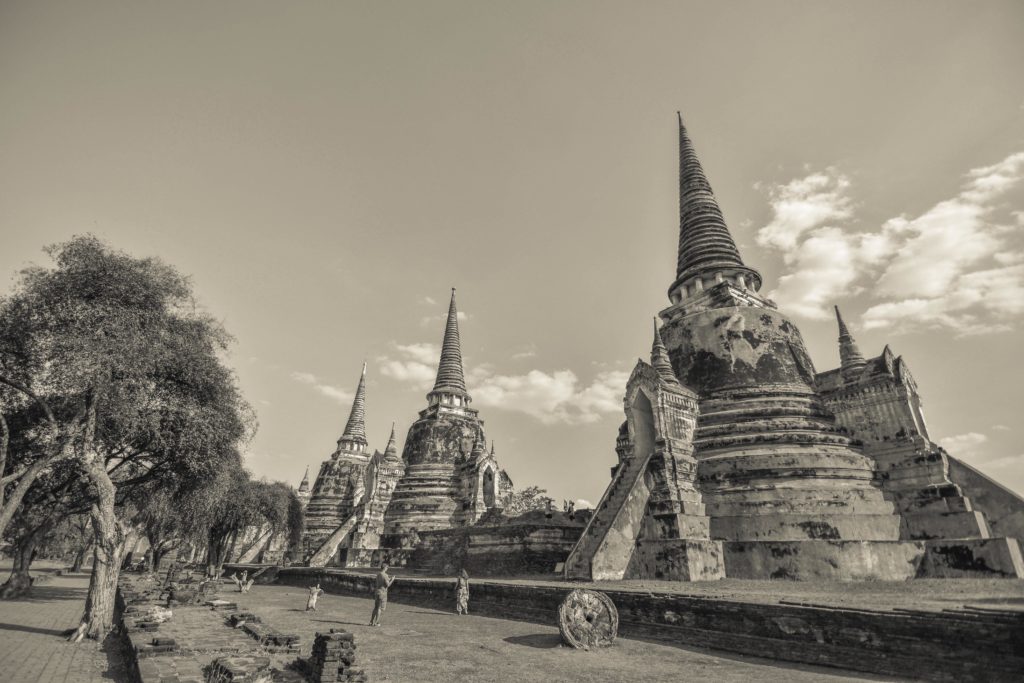
One hour north of Bangkok by train, the ruined capital of Ayutthaya offers a completely different visual register from the city — ancient stone, archaeological landscape, the particular quality of light on sandstone ruins that makes the hour before sunrise and the hour after sunset the only times worth photographing there seriously. The first train from Hua Lamphong station departs early enough to reach Ayutthaya before sunrise. Take it.
Wat Mahathat — where the Buddha head is famously entwined in the roots of a Bodhi tree — is the most photographed location and the most crowded by mid-morning. The less-visited temples on the western edge of the archaeological park, including Wat Chaiwatthanaram on the river, are equally photogenic and significantly quieter at dawn.
Ayutthaya, Thailand · © Raffaele Ferrari
The High Viewpoint — Bangkok Seen From Above
Bangkok has grown vertically at extraordinary speed in the last three decades, and several hotel and restaurant rooftops offer panoramic views of the city that capture the scale of this transformation — the mass of towers extending in every direction, the river cutting through the urban density, the occasional gold chedi of a temple visible between the glass curtain walls of the new city.
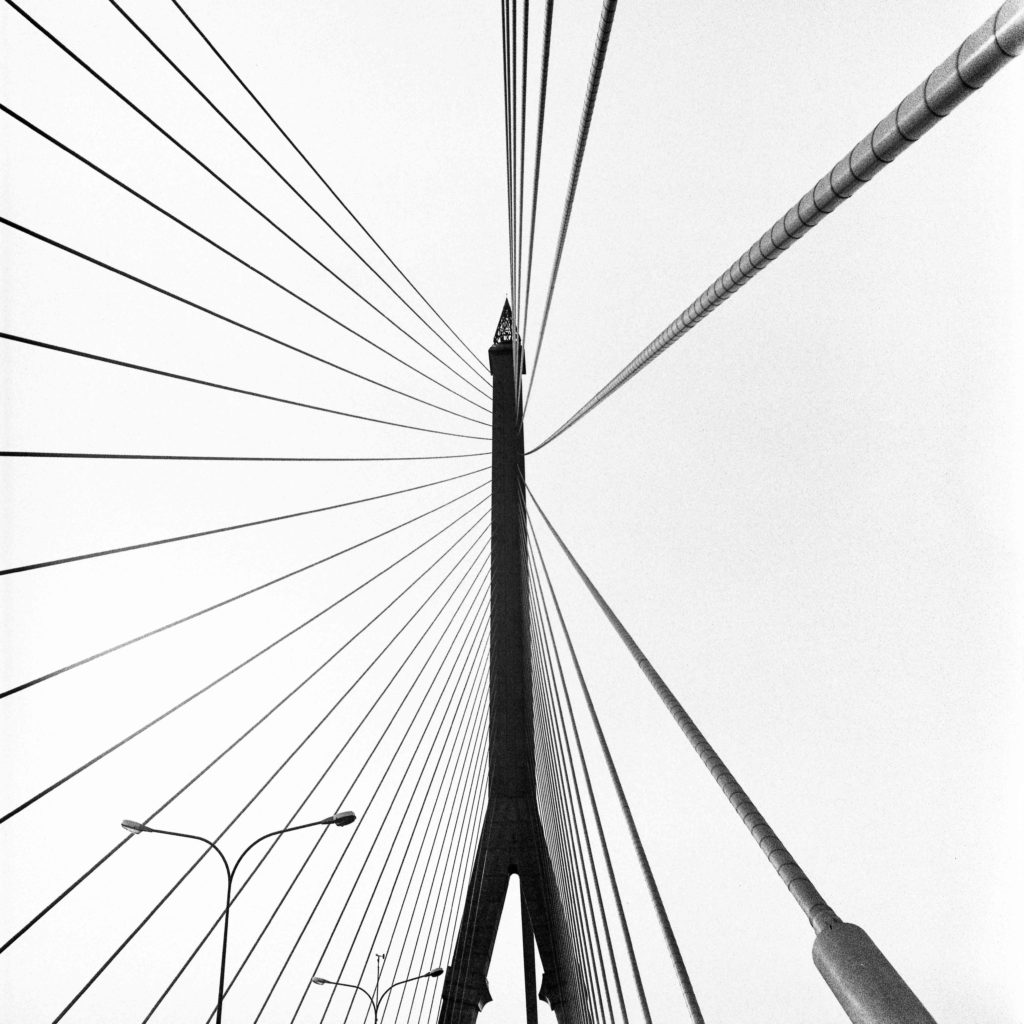
The Baiyoke Tower II observation deck and the rooftop bars of the major riverside hotels are the standard options. The more interesting elevated photography of Bangkok is available from the bridges over the Chao Phraya — the Rama VIII bridge in particular, with its cable-stayed asymmetric form and its views upriver toward the older city, is a strong photography location at dusk when the lights of the city begin to reflect in the water.
For aerial photography with a drone, check the current Thai Civil Aviation Authority regulations before flying — the rules change periodically and the airspace over central Bangkok is regulated. The principles of aerial photography that apply in Italy apply equally here: early morning, low light, minimal wind.
When to Photograph Bangkok
The best time to photograph Bangkok is November through February — the dry season, when the air is clearest and the light quality at dawn and dusk is at its strongest. January is the peak month: the atmosphere over the city is at its clearest, the temperatures are manageable for full days on foot, and the visual conditions that define the city’s most photogenic moments are most consistently available.
The time of day matters more than the time of year. Bangkok’s most productive photography hours are 2am to 7am — the flower market, the monk walks, the canal communities in the first light. Everything between 9am and 4pm is largely unworkable for serious outdoor photography. The late afternoon and golden hour recover some of the conditions, particularly for temple photography and river work.
Bangkok. Chinatown. The canals.
Cambodia and Angkor at sunrise.
Ten days applying the documentary approach described in this guide. Flower market at 2am, canal communities, monks at dawn, Angkor at sunrise. Maximum 6 photographers. Accommodation included. €3,000.
Discover the Soul of Thailand →
Continue reading:
Documentary Photography in Bangkok Chinatown ·
Thailand Photography — Essential Guide ·
Photography Ayutthaya ·
Best Time to Photograph Thailand ·
Soul of Thailand Workshop ·
Vietnam Photography Guide



2 Comments