Photograph Sicily
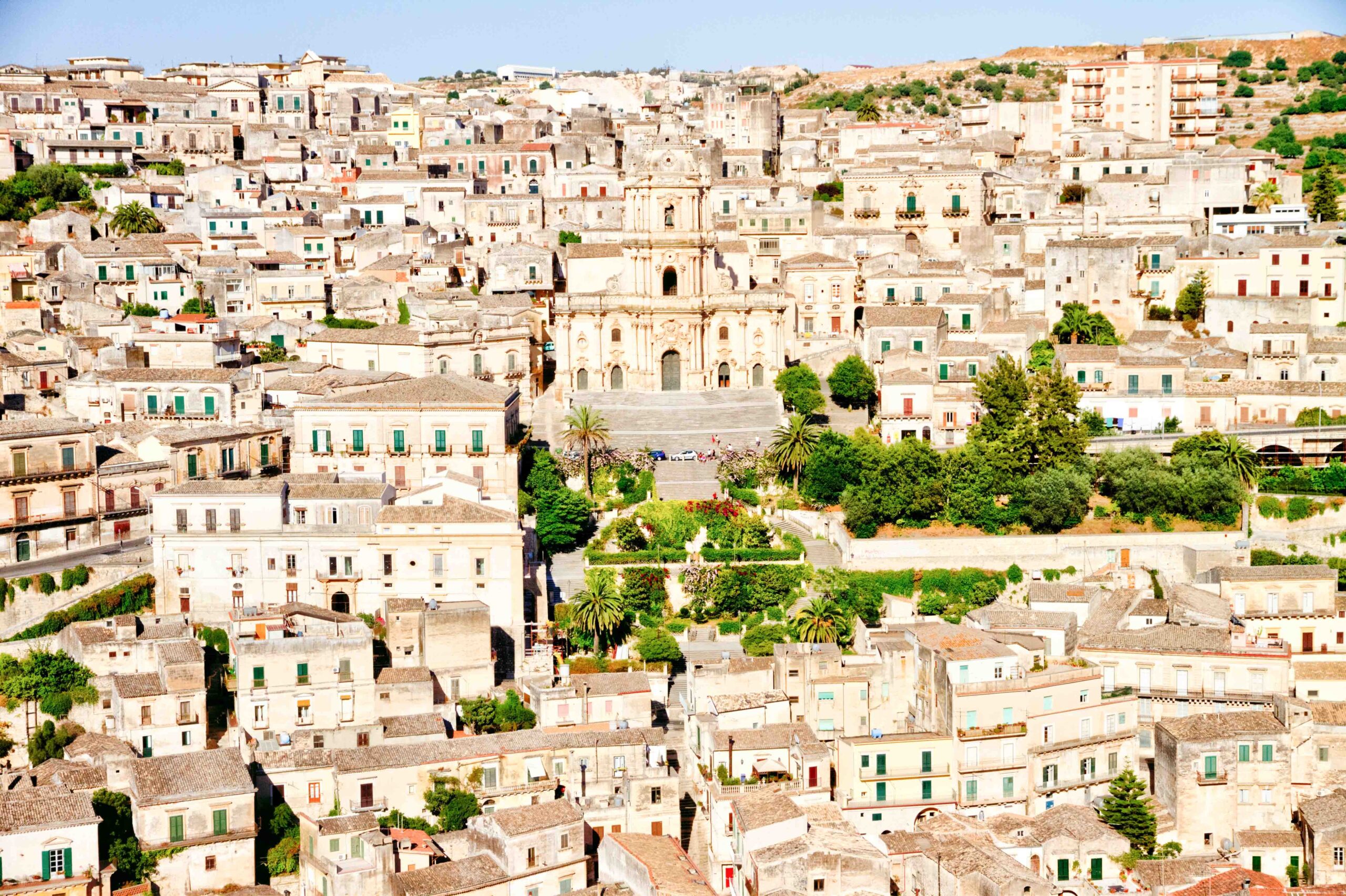
Journal · Sicily · Travel Photography
Photographing Sicily:
Where Light Burns Slowly
Sicily does not give itself easily.
It is not a place that opens to the quick glance or the hasty frame. It resists the tourist’s eye. It asks for something more: patience, attention, a willingness to stay inside discomfort until the image reveals itself.
I have returned to Sicily many times. Each time, I arrive with fewer expectations and leave with more questions. That tension — between what is visible and what lies beneath — is exactly what makes this island extraordinary for photographers who want more than beautiful surfaces.
Sicily burns slowly. And the best photographs are made in that slow burning.
Photograph Sicily: The Psychology of Contrast
The first thing you notice when you photograph Sicily is the light.
Not soft light. Not the gentle, forgiving light of northern Europe. This is Mediterranean light — hard, vertical, without mercy. At noon it flattens everything into geometry. At dawn and dusk it transforms stone into gold, shadow into depth.
Learning to photograph Sicily means learning to work with extremes.
The island is built on contradiction. Ancient Greek temples stand beside baroque churches. Arab souks flow into Norman palaces. The sea is never far, but the interior feels landlocked, primordial, forgotten by time.
My background in psychology taught me to look for what people reveal when they are not performing. Sicily, in this sense, is always honest. It does not pretend to be anything other than what it is: layered, complicated, deeply beautiful in ways that take time to understand.
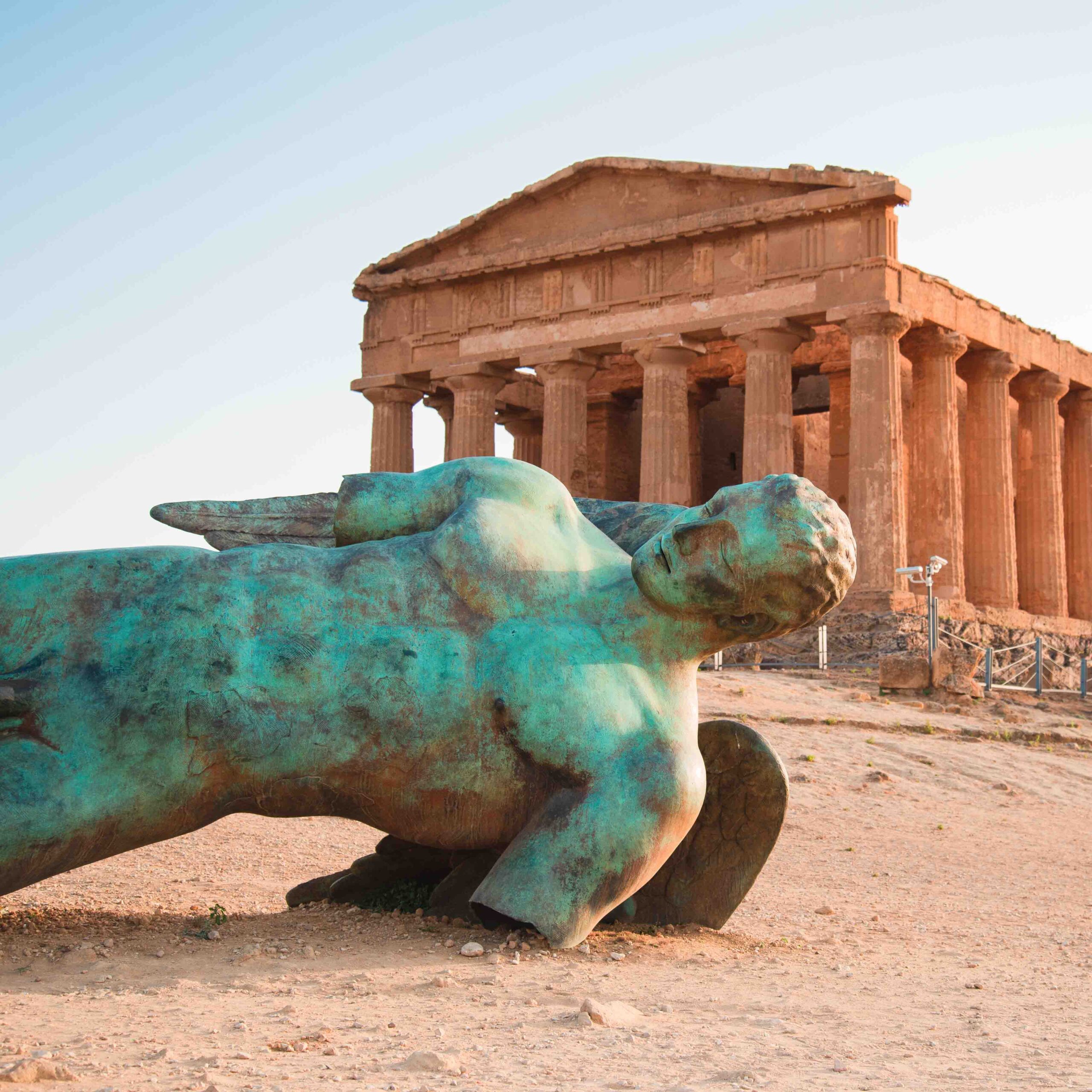
Valley of the Temples, Agrigento · © Raffaele Ferrari
From Chaos to Silence: Palermo and the Anthropology of the Street
Begin in Palermo.
Not because it is the easiest place to photograph Sicily — it is not. But because it is the most honest. The Ballarò and Vucciria markets are not picturesque scenes arranged for the camera. They are working systems, ancient and alive, indifferent to your presence.
That indifference is your greatest asset.
Move slowly. Do not raise the camera immediately. Spend an hour simply observing — the way light enters a narrow alley at 7am, the relationship between a vendor and the shadow falling across his face, the color of a tarpaulin against a medieval facade. When you finally shoot, you will be shooting from understanding rather than reaction.
The streets of Palermo reward a specific approach to street photography — one rooted in anthropological observation rather than the decisive moment of classical photojournalism. The goal is not to capture an event. It is to capture a condition.
The condition of a city that has been invaded, conquered, rebuilt.
And has absorbed everything without losing itself.
The Geometry of Time: Temples, Salt Pans and Mediterranean Light
Drive south and west.
The landscape changes. The coast gives way to interior silence. The Valley of the Temples at Agrigento offers something rare in Sicily: the possibility of being alone with ancient stone in early morning, before the coaches arrive, in the hour when the light is still horizontal and the shadows are long enough to sculpt architecture into sculpture.
Photograph the temples not as monuments but as objects in a landscape. Look for the relationship between column and sky, between ruin and the wild grass growing through it. Look for what time has done to stone.
Further west, the salt pans of Trapani and Marsala offer the opposite experience: not vertical drama but horizontal abstraction. At dusk, the water in the pans reflects a sky that changes every few minutes — pink, violet, orange, grey. The windmills become silhouettes. The geometry simplifies until only color and reflection remain.
These are not landscapes that announce themselves. They ask you to wait.
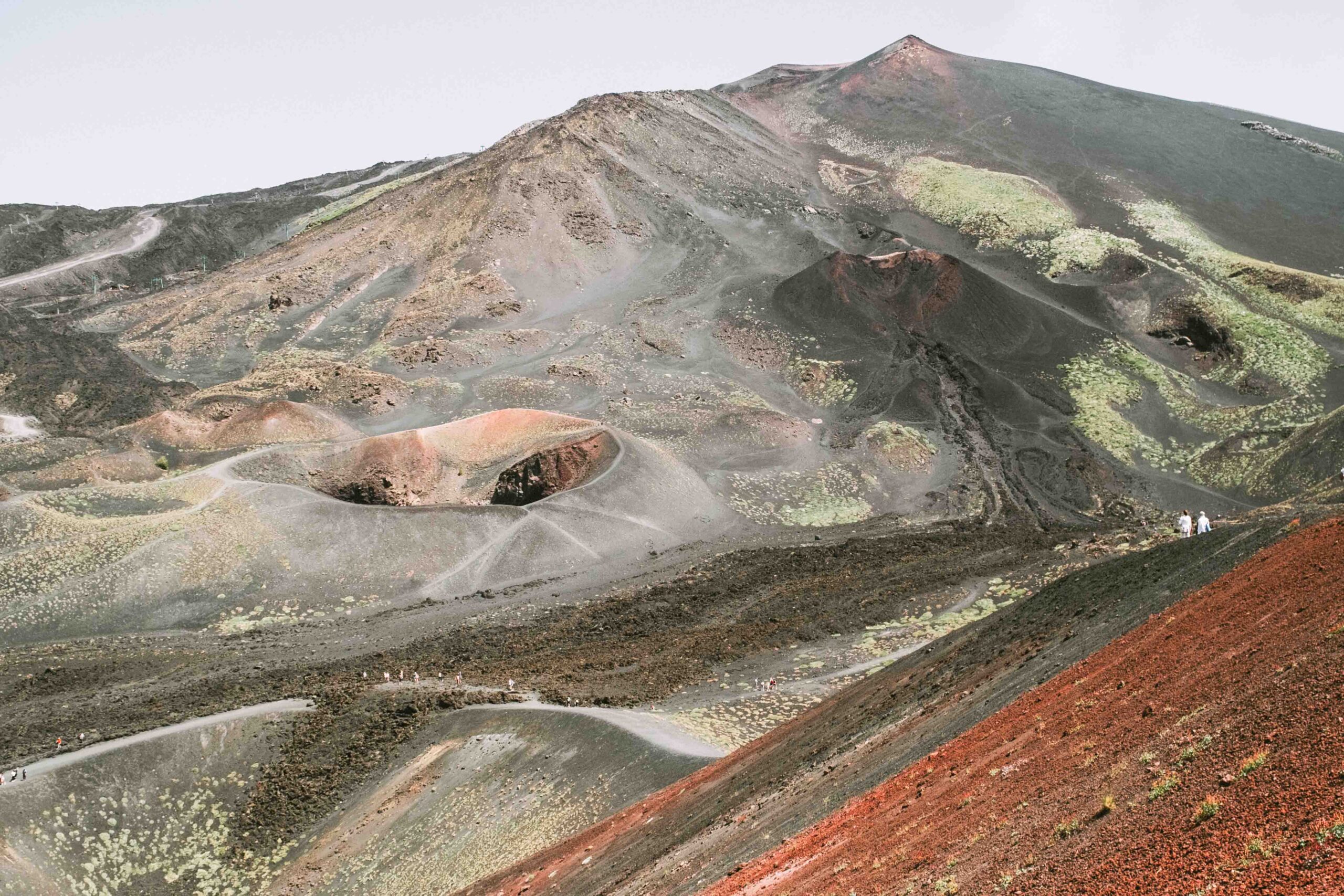
Mount Etna, Sicily · © Raffaele Ferrari
Matter and Absence: Etna, Gibellina and the Photograph Sicily Cannot Give You
Some locations in Sicily resist the photograph entirely.
Mount Etna is one of them. Not because it is not visually powerful — it is overwhelming. But its scale defeats conventional framing. You have to choose: the geological detail of hardened lava, the relationship between the volcano and the towns in its shadow, or the aerial abstraction of its craters seen from above. Each approach demands a completely different visual language.
In the Belice Valley, between Palermo and Agrigento, there is a place that asks even harder questions of the photographer. The Grande Cretto Burri at Gibellina — Alberto Burri’s monumental land art installation built over the ruins of a town destroyed by the 1968 earthquake — is one of the most extraordinary photography locations I have ever encountered.
It teaches the most difficult visual lesson: how to photograph absence.
How to make an image of something that is no longer there.
The Slowness of the Lens: Approach as Visual Philosophy
When I lead workshops here, I discourage participants from spending too much time thinking about equipment.
Not because equipment is irrelevant. But because it is almost never the limiting factor.
What limits most photographers in Sicily is speed. The reflex to raise the camera too quickly. The anxiety of missing something. The assumption that more frames means more images.
The light in Sicily is extreme precisely because it demands a response. It forces you to decide: where is the shadow I want, what is the relationship between this object and that background, what am I actually trying to say with this frame?
A wide lens reads the land. A longer lens compresses the heat, turns a distant hillside into a flat layer of ochre, finds the face inside the crowd. A polarizing filter does not make the sky more dramatic — it removes the false light, the glare that obscures what is actually there.
These are not technical choices. They are interpretive ones.
Photography is a form of attention. Sicily rewards the photographer who has learned to be still.
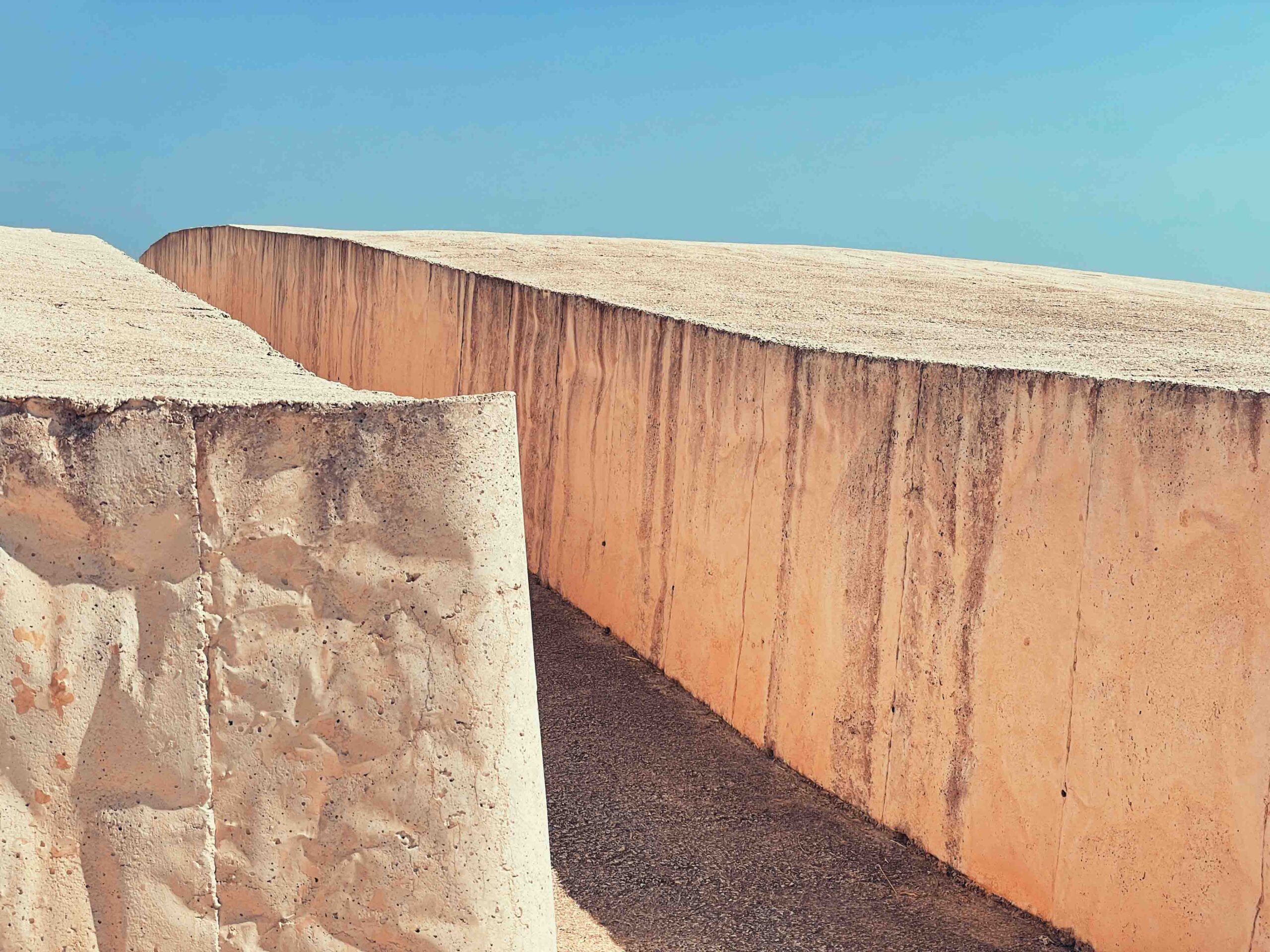
Sicily · © Raffaele Ferrari
When to Photograph Sicily
Spring and autumn are the seasons I return to most.
April and May bring a quality of light that is still soft enough to work with in the middle of the day — wildflowers in the interior, green hills before the summer burns them yellow, empty roads and markets that have not yet filled with summer crowds.
September and October bring the harvest light — warm, amber, long-shadowed from the first hours. The salt pans at Trapani reach their most dramatic color in late summer. The Etna craters are clearest after the heat of August has passed.
Winter in Sicily is underestimated. The light is extraordinary — low, horizontal, relentless. The streets are returned to the Sicilians. The baroque churches of Noto and Ragusa Ibla glow without the noise of tourism.
Every season offers a different Sicily to photograph. The question is which one you are looking for.
Photograph Sicily differently.
Small groups of maximum 4 participants. We work with the real light, the real streets, the real silence — adapting each day to what we find. No deposit required to reserve your place.
Discover the Sicily Workshop →
If Sicily has opened something in you, you may find the same quality of light and silence in the fog of
Tuscany,
the geometry of
Venice at dawn,
or in the monumental stillness of the
Cretto Burri at Gibellina —
one of the most extraordinary places to photograph in all of Italy.


One Comment