Vietnam Photography Guide

Journal · Vietnam · Travel Photography Guide
Vietnam Photography Guide:
How to Photograph the Real Vietnam
Vietnam became one of my favourite destinations gradually. Not immediately.
My first visits were exactly the mistake I now warn other photographers against: too many regions, too little time, a list of famous viewpoints rather than a question I was actually trying to answer.
It took several returns before I understood what this country was asking of me.
Vietnam does not perform for the photographer. It simply continues being itself — and that indifference is the most valuable thing a documentary photographer can find anywhere.
The vertiginous rice valleys of Sapa in the north, the imperial restraint of Hue, the lantern light of Hoi An, the floating markets of the Mekong Delta in the south — Vietnam stretches across visual registers that have almost nothing in common with each other. The photographer who tries to cover all of them in a single rushed itinerary comes home with a folder of competent images and very little understanding of the country itself.
This guide is not a checklist of destinations. It is an attempt to describe how to photograph Vietnam with intention.
Hanoi, Halong Bay, Hue & Hoi An.
March 5–14, 2027.
Ten days. Maximum 4 photographers. Individual field mentoring, daily editorial review, accommodation included. €3,000 per person. The documentary approach described in this guide — applied in the field.
Discover Stories of Vietnam →
Vietnam Photography: The First Principle
Most photographers arrive in Vietnam with a list. Hanoi. Halong Bay. Hue. Hoi An. The Mekong Delta. They move quickly, checking locations off the itinerary, and return home with technically correct images that look exactly like every other set of technically correct images made in the same places.
The country is long — over 1,600 kilometres from north to south. The instinct to cover everything in a single two-week trip produces exactly the kind of disconnected, competent folder of images that I warn against in every workshop I lead.
Choose one region.
Stay longer than planned.
Return to the same locations in different light.
Three days in one rice valley near Sapa, returning each morning before the fog lifts, will produce infinitely more interesting work than a week spent moving between five provinces. The opportunities multiply the moment you stop trying to see everything.
What to Photograph in Vietnam: Beyond the Obvious
Landscape — Where Cultivation Meets Wilderness
Vietnam’s landscape photography outside the cities can be extraordinary. The interplay between unspoiled jungle and carefully manicured rice terraces produces one of the most distinctive compositional environments I have worked in anywhere in the world.
The karst formations of Halong Bay and Ninh Binh, the mountainous terrain around Sapa, the world’s largest cave systems in central Vietnam — these are landscapes that reward serious time rather than a single drive-by viewpoint. My own focus has always been the central coast, where fishing villages sit against a seascape that very few photographers spend enough time with to do it justice.
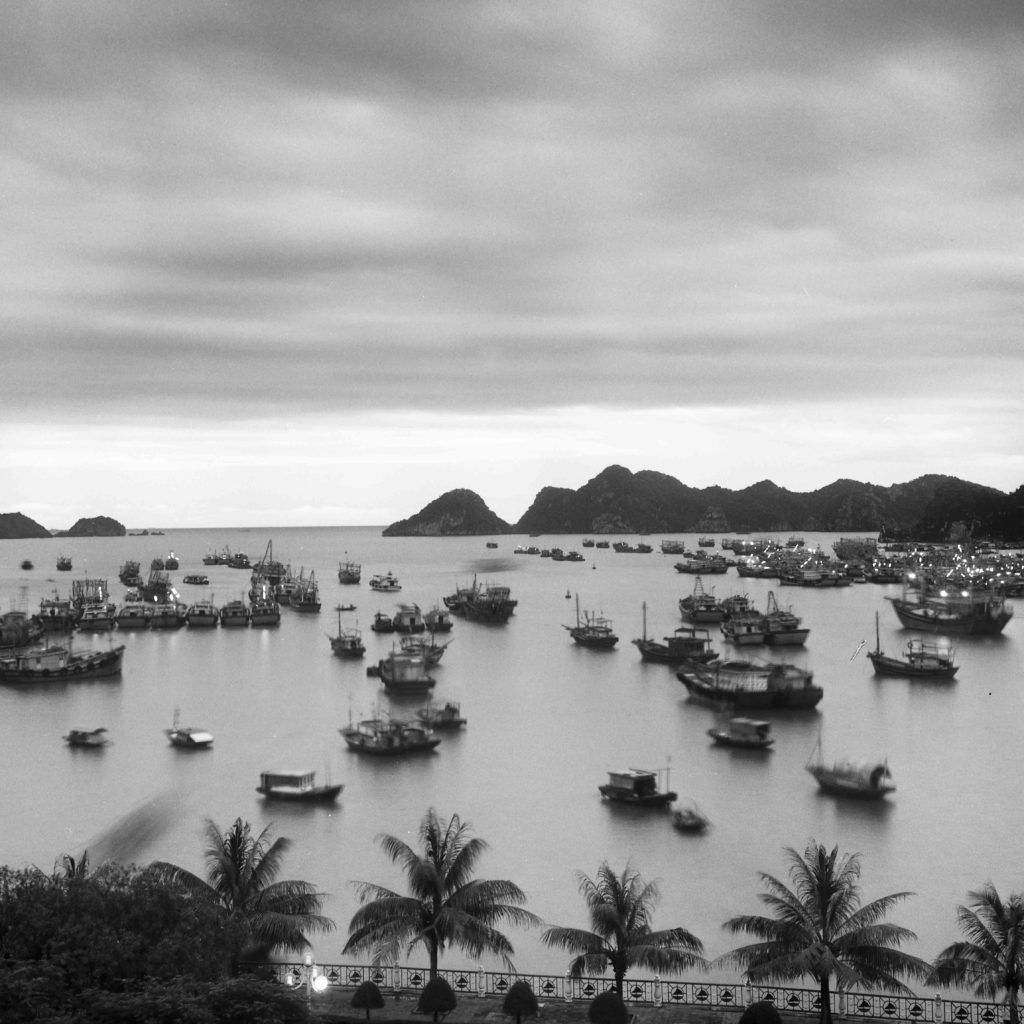
Vietnam · Rice terraces · © Raffaele Ferrari
Rice Fields — Why Perspective Matters More Than Timing
The rice fields of Vietnam represent an interesting photographic subject on more than one level. Just before harvest, the fields reach their peak visual form — gorgeous green vistas whose lines undulate with the changing topography of the landscape.
But the season alone does not make the photograph. The key is finding the right perspective: a panoramic vantage that allows the shapes and lines of the terraces to take genuine centre stage, rather than simply documenting that green fields exist.
Street and Markets — The Most Rewarding Subject in the Country
Street and market photography is, and has always been, my favourite subject in Vietnam. Every corner of every town offers something worth stopping for.
Street food — bowls of steaming pho, banh mi being assembled on a portable cart, dumplings folded by hand — makes for rich and immediate photography. I always photograph the food before I eat it. Food markets reward the visit for the colour, the density and the brightness of the fruit and vegetable sections, even for photographers uncomfortable with what else is on display.
People — Welcoming, but Never to Be Taken for Granted
The people of Vietnam are wonderfully welcoming, and that welcome is part of what makes the landscapes here feel so alive. In the north, ethnic minority communities — Red Dao, Black Tay, Flower Hmong among others — still maintain visual traditions and daily rhythms genuinely distinct from the Kinh majority.
If these communities interest you, move away from the main tourist circuit around Sapa and toward the smaller villages further into the mountains.
Photograph people as you would want to be photographed. Ask. Wait for permission. Respect refusal without negotiation.
Vietnam Photography by Region
Hanoi — The Best Starting Point
Hanoi is, in my experience, the best starting point for any photographic trip to Vietnam. It is one of the most beautiful Indochinese colonial cities in Southeast Asia — quieter and more layered than Bangkok, even if it is not as immediately spectacular.
Wake early and begin at the lake. The morning rhythm there, combined with the temple courtyards and the markets that open before the rest of the city stirs, produces some of the strongest material the country offers. Hanoi also has, by some distance, the best photography shops in Vietnam — which matters more than it might seem if a piece of equipment fails mid-trip.
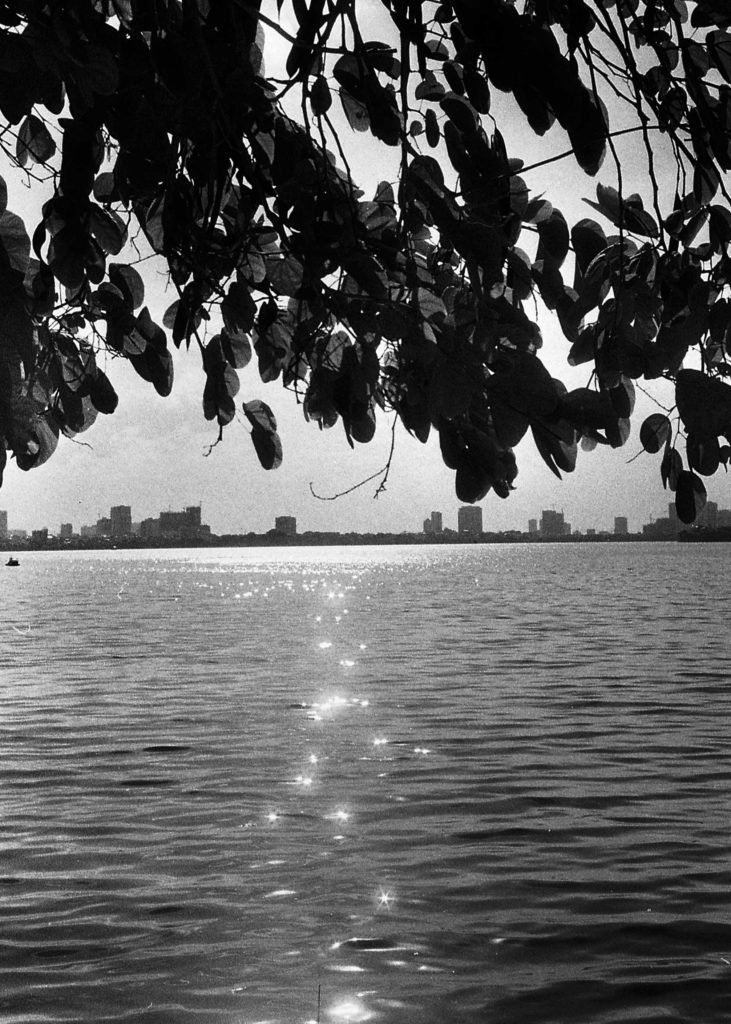
Hanoi, Vietnam · Lake morning · © Raffaele Ferrari
Sapa & the Northern Mountains — Leave Town to Find the Real Landscape
Sapa is a hill station high in the mountains, a vestige of the French colonial era that has become, in recent years, a significant tourist draw. The town itself has been thoroughly reorganised around that tourism.
But the moment you move outside it, the scenario changes completely: extraordinary landscape, and access to people from a range of distinct ethnic minorities. My advice is to sleep in Sapa but spend as little time there with a camera as possible — move out early to take advantage of the panoramic views with morning fog, which also conveniently helps you avoid the heaviest tourist traffic.
Hue — More Than the Imperial City
Hue, in central Vietnam, was home to the Nguyen dynasty and served as the capital of Vietnam until 1945. The imperial citadel is a UNESCO World Heritage Site and genuinely worth the time. But the city offers considerably more than its monuments.
Along the Perfume River you find fascinating, quieter corners of the old city, and in the surrounding countryside there is interesting landscape to photograph — open rice fields, small fishing villages that very few visitors ever reach.
Hoi An — A Town That Has Become Its Own Postcard
Hoi An is a proud old town of canary yellow walls and ancient bridges. Photographing it can be a genuinely unique experience that begins at sunrise and ends in the romantic light of the lantern-lit evenings.
But in recent years it has become significantly more touristic, which means the discipline of arriving early matters more here than almost anywhere else in the country. Wake before the crowds to capture the charm of the town itself, then move out into the surrounding countryside or toward the coast.
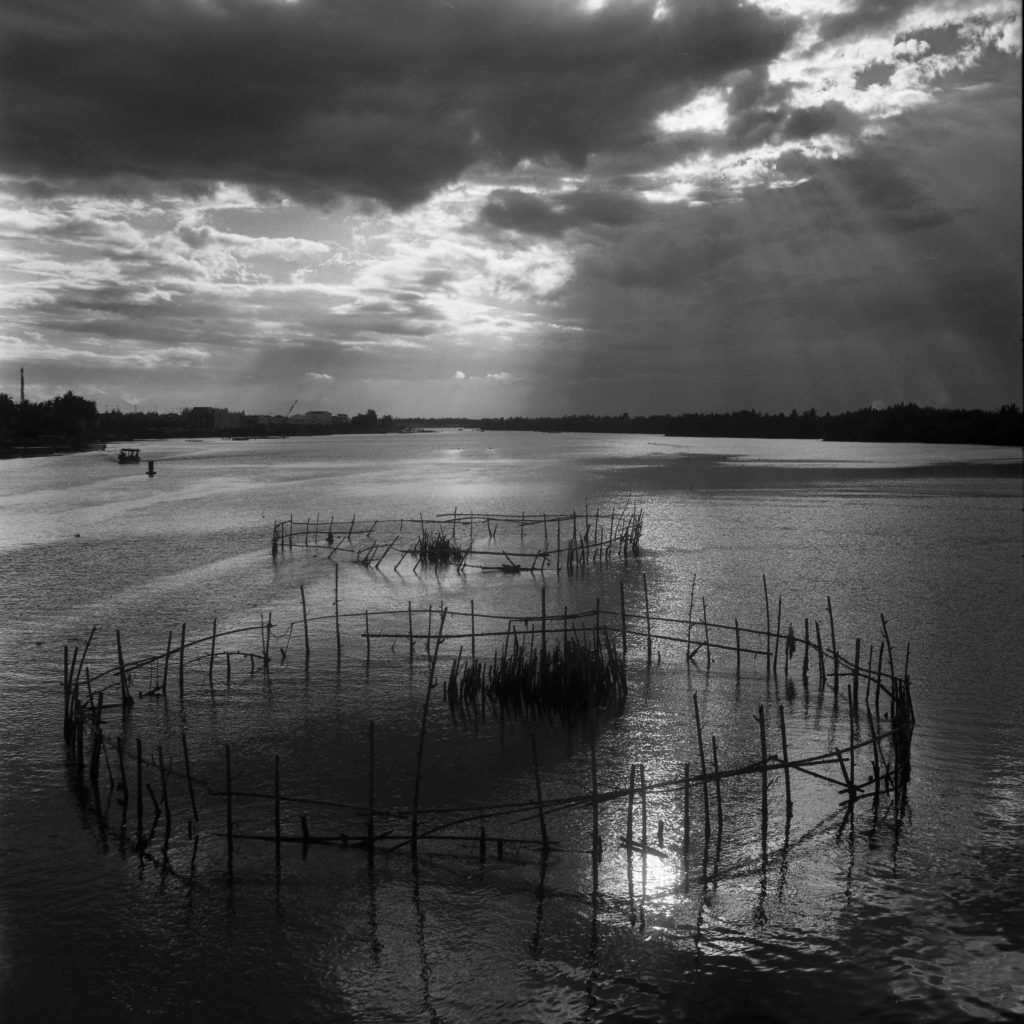
Hoi An, Vietnam · Fisherman farm · © Raffaele Ferrari
Halong Bay & Cat Ba — Slow Down to See Past the Cruise Circuit
Halong Bay is the single most famous photography location in Vietnam, and a cruise through the bay genuinely represents, for many visitors, the pinnacle of their photographic experience here. But I would suggest stopping for several days on one of the islands — Cat Ba in particular — rather than treating the bay as a single-day cruise stop.
The extra time allows different kinds of images entirely: the fishing communities, the floating life on the water, the karst formations seen across multiple light conditions rather than a single afternoon.
The Mekong Delta — Vietnam’s Rice Basket on the Water
Base yourself in Can Tho, in the heart of the Mekong Delta. The floating markets offer some of the most distinctive documentary photography in the country — boats trading produce directly from the water before dawn, a commercial rhythm that has continued largely unchanged for generations.
Once off the boat, the flower farms surrounding the city offer a completely different register from the chaos of the market itself.

Ninh Binh, Vietnam · © Raffaele Ferrari
When to Photograph Each Region of Vietnam
There is no single perfect time to photograph all of Vietnam, because the country’s climate zones do not move together.
The north — Hanoi and Sapa — is generally best from October through December, when the air is clearest and the mountain mist at dawn is at its most reliable. The central coast, from Hue down through Hoi An, has its strongest window from January through July. The Mekong Delta in the south is best from November through February or March.
Within any of these windows, the time of day matters as much as the time of year. The hour before and after sunrise consistently produces the most interesting light — the lake mornings in Hanoi, the mist over the Sapa terraces, the markets that begin their working day in the dark.
Midday light across most of Vietnam is harsh and largely unworkable for anything beyond record photography. Plan a long midday break and return to the field as the light softens in the late afternoon.
Equipment: What to Bring to Vietnam
This is a country that rewards a light, mobile setup over heavy professional equipment.
A wide-angle lens is essential for the narrow streets of Hanoi’s old quarter and Hoi An, and for landscape work in the rice terraces. A versatile travel zoom — 24–105mm or similar — handles most street and market situations quickly. A dedicated telephoto is rarely necessary for the documentary and street photography that Vietnam rewards most.
A tripod is useful for panoramic landscapes and night photography in Hoi An’s lantern-lit evenings and Hanoi’s lake reflections. A polarising filter cuts glare from the water and rice paddies that define so much of the country’s visual texture.
Protect everything from humidity. A silica gel sachet in every bag, every night. The combination of tropical heat and air conditioning creates condensation that damages optics more reliably than any weather event.
Photographing Vietnam Responsibly
We owe it to the people we photograph to do so responsibly, ethically and with genuine respect. Approach portrait photography with the same care you would want shown to you. Ask permission. Respect refusal without negotiation.
For the ethnic minority communities of the northern mountains, avoid the “village tourism” circuits organised for foreign visitors — these are performances, not authentic encounters, and the photography they produce reflects that.
Small choices matter too: carrying reusable water bottles rather than adding to Vietnam’s significant plastic waste problem is a meaningful part of travelling as a photographer here.
Visa requirements are fairly strict and change periodically. Always verify the current rules directly with the Vietnamese embassy or consulate in your country before booking flights.
Vietnam Photography Guide — Frequently Asked Questions
There is no single best time for the whole country. Hanoi and Sapa in the north are best from October through December. The central coast — Hue, Hoi An — has its strongest window from January through July. The Mekong Delta is best from November through February or March. Within any window, the hour before and after sunrise consistently offers the most productive light.
It depends on what you want to photograph. Hanoi offers the best combination of street life, markets and accessible culture, and is the recommended starting point for any first visit. Sapa and the northern mountains reward landscape photographers. Hue and Hoi An offer imperial history and lantern-lit atmosphere. Halong Bay and Cat Ba are essential for landscape and seascape work. The Mekong Delta offers the most distinctive floating market documentary photography in the country.
For a single region, a minimum of seven to ten days is necessary for meaningful work. The most common mistake is attempting too many regions in too little time — three days in one rice valley produces better photographs than one day each in five different provinces.
Yes. The Stories of Vietnam Photography Workshop runs 5–14 March 2027 — ten days through Hanoi, Halong Bay, Hue and Hoi An. Maximum 4 participants. €3,000 per person, accommodation included.
Yes — street and market photography is the single most rewarding subject in the country. Every town offers food stalls, markets and daily commerce that provide rich, immediate material. Hanoi’s old quarter, Hoi An’s early-morning streets and the floating markets of the Mekong Delta are particularly strong.
Ten days. Four chapters. One journey.
Hanoi, Halong Bay, Hue & Hoi An.
Maximum 4 participants. Individual field mentoring and daily editorial review. Accommodation included. €3,000 per person. No deposit required to enquire.
Discover Stories of Vietnam →
Vietnam is one chapter in a longer journey through Southeast Asia. Read my complete guide to
photographing Thailand
— from the street markets of Bangkok to the ancient temples of Ayutthaya and the documentary photography of the north.
For those continuing through Cambodia, the
Angkor Wat photography guide
covers the most extraordinary archaeological location in the region.
All photography workshops and expeditions.


5 Comments