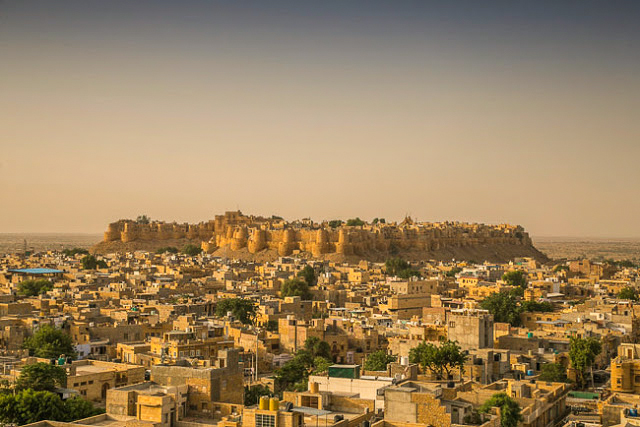
Kerala vs Rajasthan Photography Workshop
Journal · India · Photography Workshops
Kerala vs Rajasthan Photography Workshop:
Which One Is Right for You?
India presents the photographer with two completely different visual worlds — and the question of which one to choose is one I am asked more often than almost any other. Kerala in January. Rajasthan in November. Both are extraordinary. Both are fully different. Choosing between them without understanding what each actually offers as a photography experience is difficult.
I lead both workshops every year and have done so for more than a decade. This is my honest attempt to describe what each one is — the visual register, the specific subjects, the kind of photographer who comes home most satisfied — so that you can make the choice that is right for where you are in your photography and what you want to come home with.
Kerala and Rajasthan are not interchangeable versions of India. They are two completely different countries within a single border — different climate, different architecture, different light, different human culture, different visual problems. The photographer who wants both needs to visit both.
Backwaters, coast, jungle, temple
Soft, diffused coastal light
Green, water, reflections
Intimate, slow, observational
January — optimal window
Max 4 participants
Strong for portrait & documentary
€2,500 — accommodation included
Desert, forts, markets, Camel Fair
Harsh, directional desert light
Ochre, blue, red — high contrast
Intense, dense, visually demanding
November — Pushkar Camel Fair
Max 4 participants
Strong for documentary & street
€3,000 — accommodation included
Kerala — The Visual World of Water and Light
Kerala is a state of backwaters, coastal lagoons, jungle interior and ancient temple culture. The visual register is completely different from the dry, dusty intensity of Rajasthan — it is softer, greener, more reflective, characterised by the quality of light that arrives diffused through coastal humidity and illuminates the water surfaces of the backwaters with an atmospheric depth that is specific to this part of India and this time of year.
What You Photograph in Kerala
The backwaters of Alleppey — the network of lagoons, rivers and canals that runs parallel to the Kerala coast — are the visual heart of the workshop. The fishing communities that work the backwaters on traditional kettuvallam houseboats and in small dugout canoes are the primary documentary subject. The Chinese fishing nets of Fort Kochi — enormous cantilever structures operated by teams of fishermen, most effective at the transition between tide states — are one of the most photographically interesting traditional fishing technologies in the world.
The Kathakali dance performance, the elephant processions at temple festivals, the toddy tappers who climb the coconut palms at dawn — Kerala has a visual culture of extraordinary richness that rewards the photographer willing to slow down and observe before photographing. Read the complete Kerala photography workshop guide for the full itinerary and approach.
The Light in Kerala
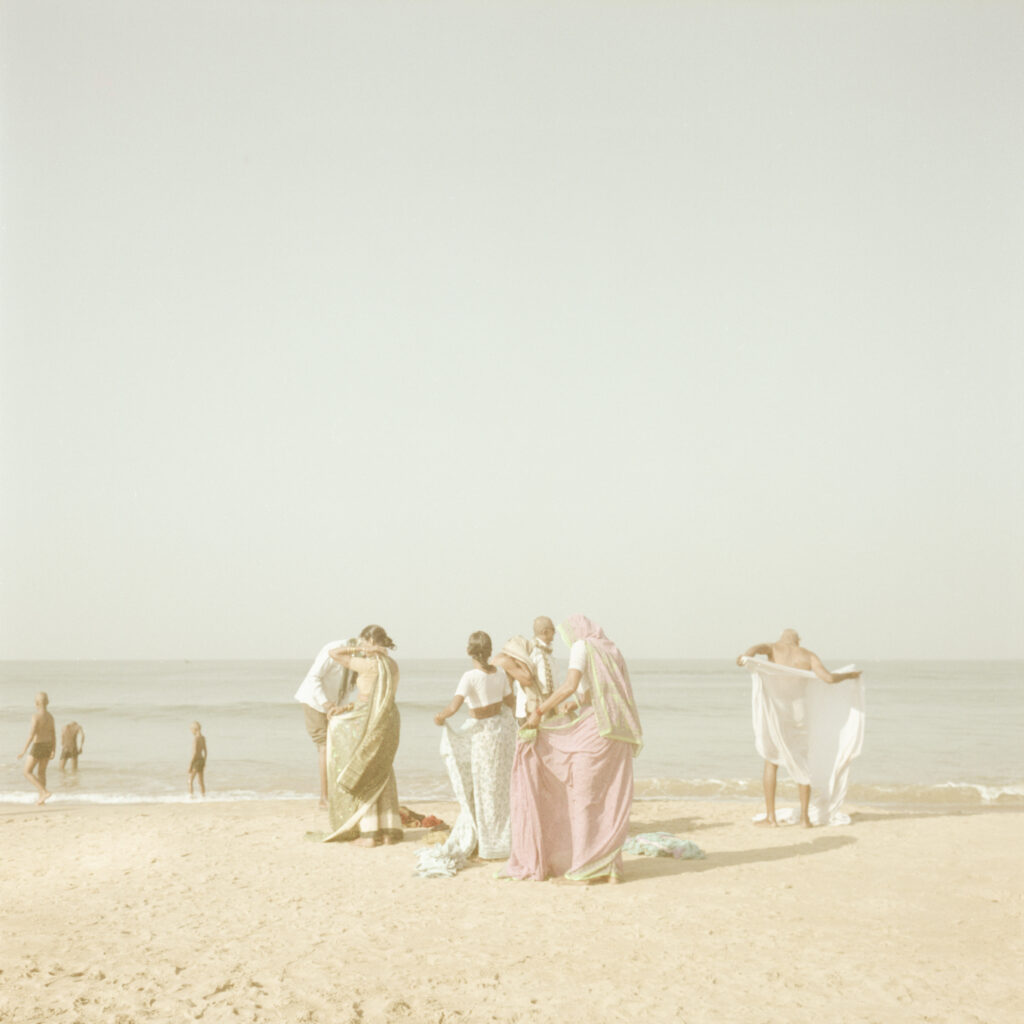
The light in Kerala in January is coastal and diffused — it arrives through atmospheric moisture and produces a softness that is the opposite of Rajasthan’s harsh desert clarity. The morning light on the backwaters, when the mist is lifting from the water, is one of the most beautiful light conditions I have worked in. The contrast range is low, the shadows are warm, and the window for productive photography extends further into the morning than it does in Rajasthan.
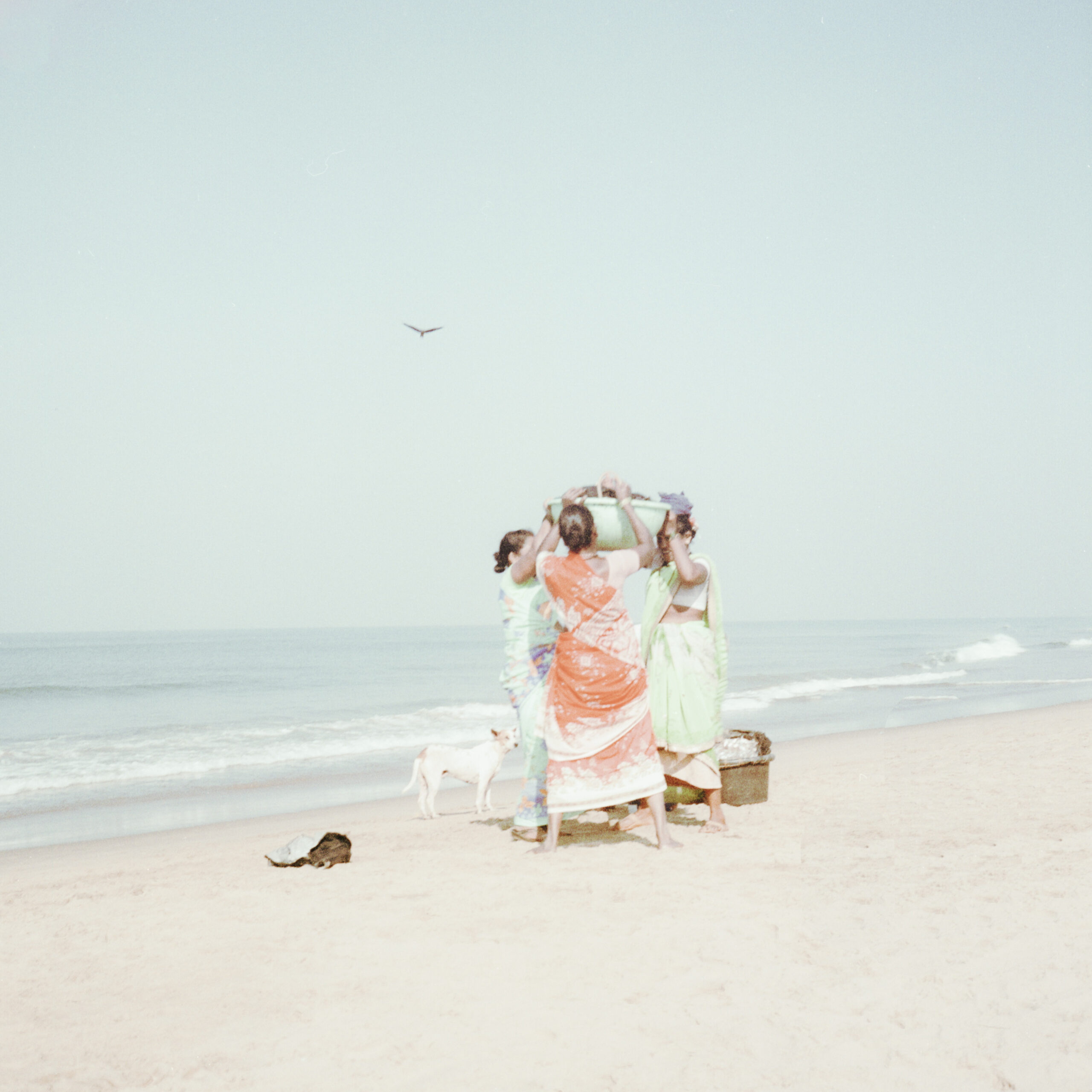
Kerala, India · © Raffaele Ferrari
Rajasthan — The Visual World of Desert and Colour
Rajasthan is the most visually intense photography environment I have worked in outside Southeast Asia. The combination of the Blue City of Jodhpur, the pink city of Jaipur, the white marble of Agra and the extraordinary chaos of the Pushkar Camel Fair — the largest camel trading fair in Asia, held once a year in November — produces a visual experience that has no equivalent anywhere in India.
What You Photograph in Rajasthan
The Rajasthan expedition is structured around three documentary subjects: the Blue City of Jodhpur at pre-dawn, three full days at the Pushkar Camel Fair, and the architectural photography of Jaipur and Agra. Each requires a completely different photographic approach — the intimate street photography of Jodhpur’s old lanes, the documentary intensity of the Camel Fair, the wide-angle architectural photography of the great monuments.
The Pushkar Camel Fair is the centrepiece of the expedition and the subject that makes November the only viable month. The fair assembles over 50,000 camels and hundreds of thousands of people on the plains outside the holy city of Pushkar — it is the most extraordinary documentary photography event in South Asia, and three full days within it, with individual mentoring and daily editorial review, produce a body of work that could not be made anywhere else.
The Light in Rajasthan
The Rajasthan light in November is desert light at its most productive — harsh and directional overhead, but arriving at a low angle at dawn and dusk that illuminates the sandstone architecture and the human subjects of the old cities with the raking quality that reveals every texture. The golden hour in Jodhpur, with the blue city below and the fort above, is one of the most extraordinary light conditions in India. The pre-dawn light at Pushkar, when the camels and their handlers are assembling on the plains before sunrise, is impossible to replicate at any other hour or in any other season.
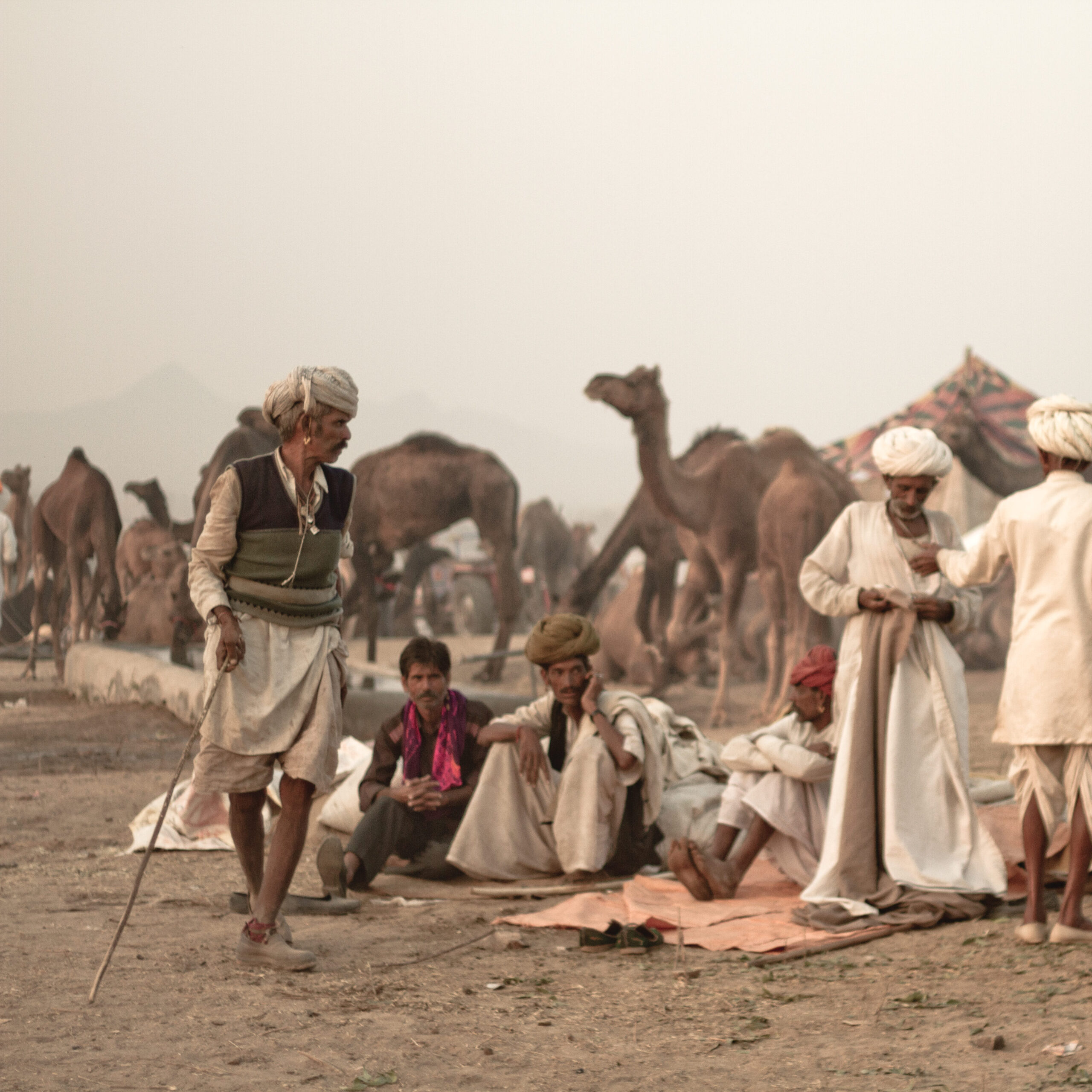
Pushkar Camel Fair, Rajasthan · © Raffaele Ferrari
Which One Is Right for You?
Choose Kerala if: you are drawn to the relationship between light and water, to the intimate documentary photography of fishing communities and daily life, to a softer and more observational visual experience. Kerala rewards patience and the willingness to slow down and observe — it is not a visually aggressive environment but a quietly extraordinary one.
Choose Rajasthan if: you want the most intense documentary photography experience available in India, the visual colour and density of the desert cities, and the extraordinary specificity of the Pushkar Camel Fair. Rajasthan is demanding and visually overwhelming — it is the better choice for photographers who want to be pushed rather than settled.
Choose both if you can. Some participants combine the two — Kerala in the first week of January, followed by a gap of ten months and Rajasthan in November. The two workshops are structurally complementary — they teach different visual disciplines and produce completely different bodies of work. A photographer who has done both has engaged with two of the most important photography destinations in the world with the depth that each deserves.
Kerala teaches softness and patience.
Rajasthan teaches intensity and urgency.
Both teach India.
Kerala in January.
Rajasthan in November.
Both workshops include heritage accommodation, individual field mentoring and daily editorial review. Maximum 4 participants. Write to Raffaele to discuss which is right for you.
Kerala Workshop →
Rajasthan Expedition →
Continue reading:
Kerala Photography Workshop — Complete Guide ·
Rajasthan Photography Expedition ·
How to Photograph Jodhpur ·
Documentary Photography in Southeast Asia ·
Photography Workshop vs Photography Tour ·
All Photography Workshops
Everything you need before booking your India expedition
Rajasthan Photography Expedition — November 2026 — Jodhpur, Pushkar Camel Fair, Jaipur, Agra
How to Photograph Jodhpur — the Blue City at pre-dawn in detail
Photograph Rajasthan — Essential Guide — the complete regional overview
Documentary Photography in Southeast Asia — extend the journey beyond India
All Photography Workshops — Italy, Europe & Asia